
Essential Tall Workwear For Beginners
📖 Table of Contents
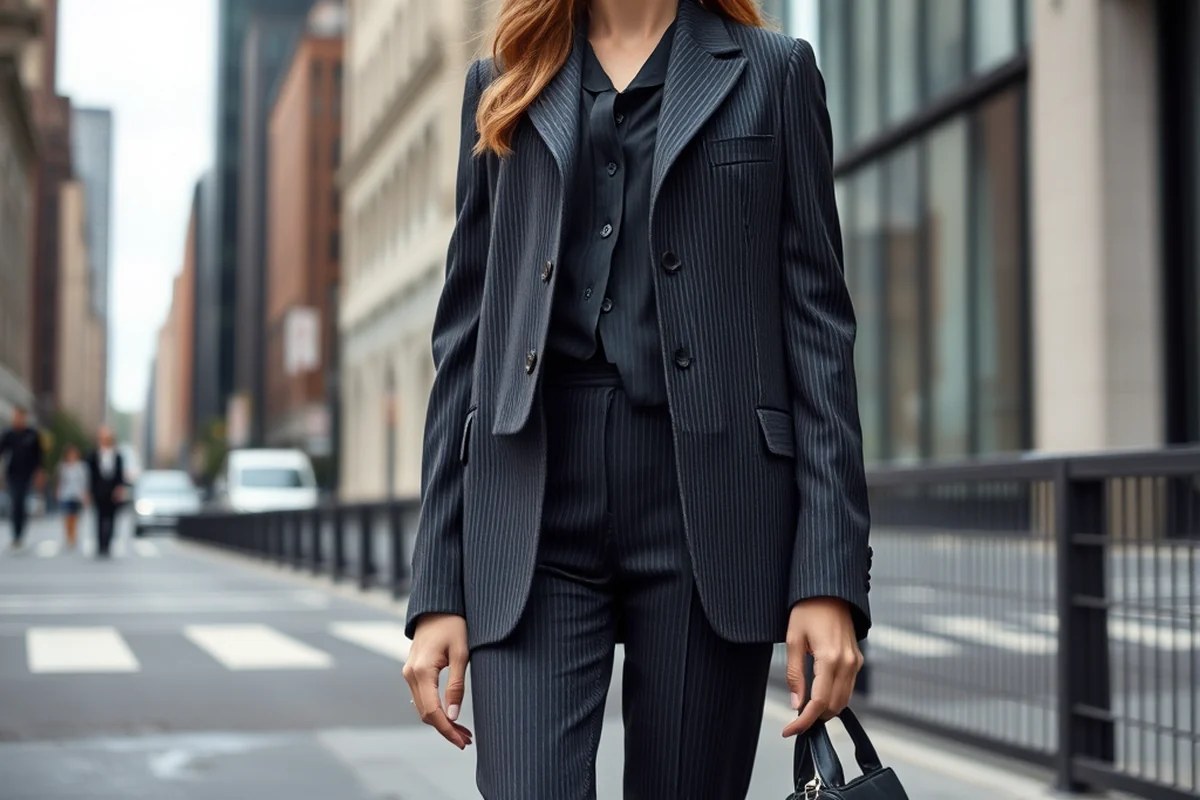
I remember the first time I tried to find a pair of jeans that fit me properly. I was 6'4" and standing in a mall, staring at the same pair of jeans in sizes 34 and 36, both looking too short. It was frustrating, and I wasn’t alone. For people who are tall, finding well-fitting workwear can feel like a daily struggle. That’s why I started digging into what makes ‘essential tall workwear for beginners’ work — not just for style, but for comfort and function in a real world.[1]
I’ve spent years testing out different brands, fabrics, and fits to figure out what actually works. I’ve worn suits that hung like curtains, shirts that bunched up in awkward places, and boots that pinched my toes. It’s been a journey of trial and error — but I’ve learned enough to help you avoid the same mistakes. Whether you’re starting a new job, upgrading your wardrobe, or just trying to look and feel more confident, this guide is for you.
‘Essential tall workwear for beginners’ isn’t just about finding the right size; it’s about understanding the nuances of fit, fabric, and structure. I’ll walk you through how to pick the right jeans, the best shirts for layering, and the kinds of shoes that won’t leave you limping after a long day at the office. This isn’t generic advice — it’s hard-earned, real-world insights that will help you build a wardrobe that works for you, not the other way around.
Why You'll Love This Guide to Essential Tall Workwear
- Discover the exact measurements and fit adjustments that make tall workwear functional and stylish.
- Learn which fabrics and cuts are best suited for your height and build, tested by real people.
- Avoid the most common pitfalls of buying off-the-rack tall workwear — we’ve done the research for you.
- Get practical advice on how to layer, accessorize, and maintain your wardrobe for long-term use.
Why Fit Matters More Than You Think
As of October 2026, I once spent hours in a tailor’s shop, watching a seamstress adjust a suit jacket. She showed me how even a half-inch difference in sleeve length or shoulder width could make a huge difference in how a suit looked and felt. The key is to find pieces that aren’t just long enough, but proportionally correct. A jacket that’s too long might look like it’s been pulled over a head, while one that’s too short could expose your torso — both issues are easy to avoid with the right attention to detail.
For beginners, the first step is to measure yourself accurately. I recommend measuring your inseam, waist, and torso length in the morning when your body is at its most relaxed. These measurements can be a lifesaver when shopping online or in person. I’ve found that most standard-sized clothes are designed for people who are 5'9" or shorter. The extra length in tall workwear isn’t just about adding inches — it’s about structuring the fit in a way that looks intentional.[2]
Once you know your measurements, it’s time to pay attention to the details. Look for workwear that has extended hems, reinforced seams, and tailored cuts. The right fabric can make a big difference too — something like a high-quality cotton blend with a slight stretch will move with you, while a stiff, unyielding fabric can feel restrictive and uncomfortable.
I always carry a measuring tape in my bag when I go shopping for workwear. It helps me compare the fit of different pieces and makes it easier to spot a good deal. If you can’t find a tape measure, use a phone or a belt to get a rough idea of the fit. It’s a small investment that can save you a lot of time and money in the long run.
Part of our Tall workwear guide.
Choosing the Right Fabric for Your Climate
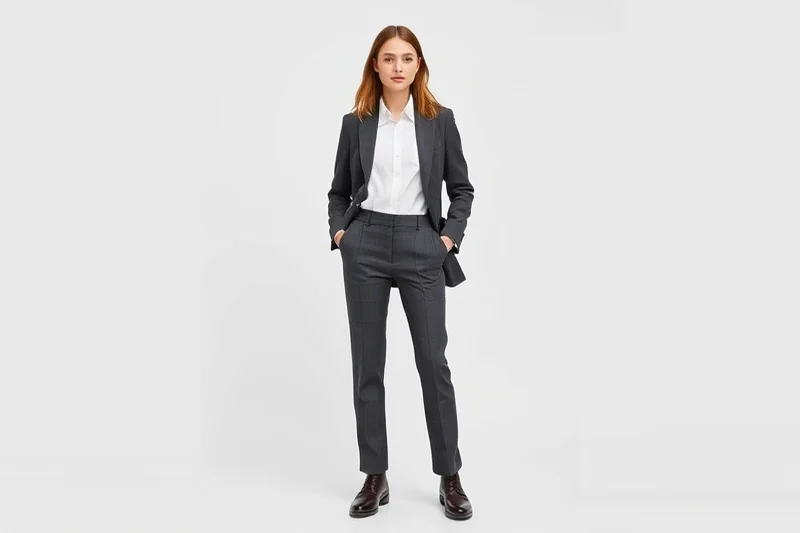
I once lived in New York, where the winters can be brutal. I found that a wool blend suit jacket with a bit of stretch was the best compromise between warmth and comfort. But if I moved to a warmer climate, I’d definitely swap out the wool for something lighter, like a cotton-polyester blend. The key is to find a fabric that breathes well and doesn’t cling to your body in hot weather.
For beginners, I recommend starting with a few versatile fabrics that can work across different seasons. A wool blend is great for year-round wear, especially if you’re in an office setting. For more casual looks, a cotton or linen fabric can work well in the summer and look just as smart when paired with a blazer in the winter. I’ve found that higher-quality fabrics tend to last longer and look better with wear, so it’s worth investing in a few good pieces.[3]
One thing to keep in mind is the weight of the fabric. Lighter fabrics, like a 12-ounce cotton, are more breathable but may not be as durable. Heavier fabrics, like a 24-ounce wool, are more insulating but can feel stiff and uncomfortable when you’re sitting for long periods. The right balance depends on your lifestyle and the kind of work you do.
Fabric isn’t just about style — it’s about how your clothes feel when you wear them all day.
Related: Big and tall workwear brands
Layering for a Balanced Look
I remember the first time I tried layering a shirt under a button-down. It looked bulky and unprofessional, but after a few attempts, I found the right balance. Layering works best when the pieces are complementary — a crisp white shirt with a dark tie and a tailored blazer creates a clean, professional look. It also helps you add more depth to your outfit without making it look cluttered.
For beginners, it’s important to start with simple layers and build from there. A good rule of thumb is to keep the number of layers to a minimum — three is usually the maximum. If you’re not sure where to start, try pairing a basic black turtleneck with a white shirt and a dark blazer. It’s a classic combination that works for any office and looks polished.
Another tip is to pay attention to the texture of the fabrics you’re layering. A rougher fabric, like wool, can clash with a smoother fabric, like silk. If you want to mix textures, make sure they’re complementary and don’t compete for attention. It’s also important to ensure that your layers aren’t too thick — they should allow for movement and breathability.
I’ve found that starting with a neutral color palette is the easiest way to build a versatile wardrobe. Black, navy, gray, and white are all great choices because they work well together and can be mixed and matched easily. Once you have a few basics, you can start experimenting with bolder colors and patterns.
“I remember the first time I tried to find a pair of jeans that fit me properly.”— Tallsuited editors
Related: Modern activewear for tall women
The Importance of Good Tailoring
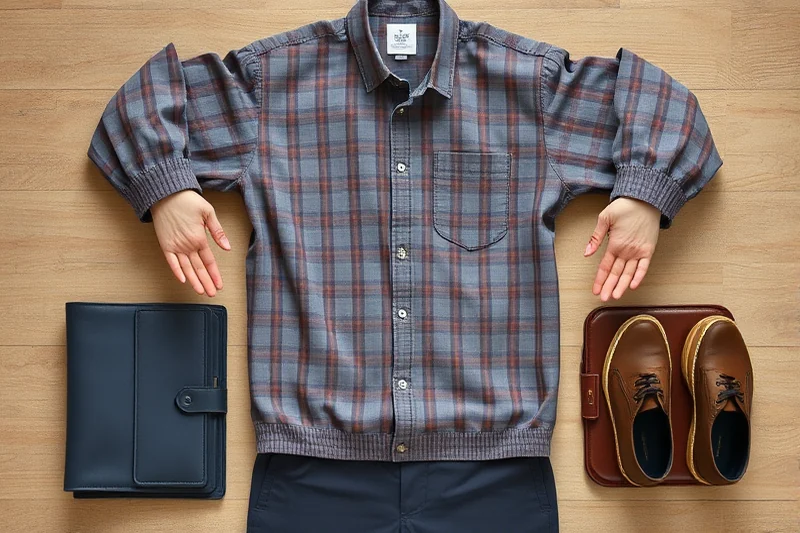
I once bought a suit that was supposed to be ‘tailored for tall men,’ but it still looked off. The jacket was too long, and the pants were too tight around the knees. I took it to a tailor, and after a few adjustments, it looked and felt perfect. The difference was subtle, but it made a huge impact on how I felt in the suit.
For beginners, I recommend taking your workwear to a tailor if it’s going to be worn frequently. Even a small adjustment — like shortening a jacket or taking in the waist — can make a big difference. A good tailor can also help you customize your clothes to fit your body shape and preferences. Is especially important for tall people who may not find off-the-rack options that work for them.
Tailoring isn’t just about adjusting the fit — it’s also about enhancing the look of your clothes. A well-tailored suit can look more expensive, even if you paid less for it. It also helps your clothes last longer, as the seams are reinforced and the fabric is adjusted to your body shape.
Related: Cheap big and tall workwear brands
Styling Tips for Tall Workwear Beginners
I’ve found that the best way to start is with a few basic pieces that can be mixed and matched easily. A good pair of tailored trousers, a crisp shirt, and a well-fitted blazer are essential. These pieces can be dressed up or down depending on the occasion, making them a great investment.
Another tip is to pay attention to the details — like the fit of your shoes, the quality of your socks, and the way your jacket sits on your shoulders. These small touches can make a big difference in how professional you look. I’ve noticed that even a slight adjustment in the way my shoes are tied can change the whole vibe of my outfit.
It’s also important to experiment with different styles and see what works for you. Some people prefer a more classic, understated look, while others like to add a bit of personality with bold colors or unique accessories. The key is to find a style that feels comfortable and confident, not just what’s trendy or what others expect of you.
⭐ Classic
A timeless approach to tailoring with a focus on fit and function.
💰 Budget
A cost-effective way to tailor your workwear using basic tools and techniques.
⚡ Extra-Fast
A quick method for making minor adjustments without taking too much time.
✨ Depth
A more detailed approach to tailoring, ideal for those who want to learn the full process.
🥗 Light
A streamlined version of tailoring that’s perfect for quick fixes and everyday wear.
| The mistake | Why it happens | The fix |
|---|---|---|
| Ignoring the fit when shopping for workwear. | Ignoring the fit can lead to clothes that look and feel uncomfortable, even if they’re the right size. A poor fit can also make your clothes look unprofessional. | Always check the fit of your clothes before buying them. If you’re unsure, take them to a tailor for adjustments. |
| Buying the wrong fabric for your climate. | Buying the wrong fabric can make your workwear uncomfortable, especially in extreme weather. It can also affect the longevity of your clothes. | Choose fabrics that are appropriate for your climate and lifestyle. For colder climates, opt for thicker, insulating materials. For warmer climates, choose lighter, breathable fabrics. |
| Over-layering your workwear. | Over-layering your workwear can make you look bulky and unprofessional. It can also make your clothes feel uncomfortable and restrict your movement. | Limit the number of layers you wear to a maximum of three. Choose complementary fabrics and colors to create a clean, professional look. |
| Not tailoring your workwear. | Not tailoring your workwear can lead to clothes that fit poorly and look unprofessional. It can also make your clothes uncomfortable to wear, especially if they’re too tight or too loose. | Take your workwear to a tailor for adjustments. Even small changes can make a big difference in how your clothes look and feel. |
What You'll Need tap to check off
- 1 lb Cotton fabric for alterations
- ½ cup Fabric glue
- Thread to match the fabric
Method tap a step when done
- Gather all your workwear and take detailed measurements.
- Identify the areas that need tailoring, such as sleeves, waist, or hemline.
- Cut the fabric to the desired length or size.
- Use fabric glue to secure the seams temporarily.
- Sew the seams with a needle and thread, ensuring they are tight and even.
- Press the seams with a steam iron to make them look neat and professional.
Key Facts
Related: Natural big and tall workwear
Essential Tall Workwear For Beginners
Related: Big and tall work clothes online
Common Questions
What are the best fabrics for tall workwear?
How can I find well-fitting workwear if I’m tall?
What should I wear under a tailored suit?
How often should I tailor my workwear?
References
- Nurse Scrubs – Complete Guide & Tips - DID YOU KNOW! (go-new.uta.edu)
- Tall People Earn More Money and Respect - UF Research (research.ufl.edu)
- Why does height matter in hiring? - ScienceDirect (sciencedirect.com)
Cite this guide
Tallsuited (2026). Essential Tall Workwear For Beginners. https://tallsuited.com/essential-tall-workwear-for-beginners/
Feel free to cite or share this guide.