
Homemade Big And Tall Workwear Online
📖 Table of Contents
I remember the first time I tried to sew a pair of pants for my dad — he’s 6’4” and needs workwear that can handle a full day on a construction site. I went online looking for homemade big and tall workwear online, and what I found was mostly either too generic or too expensive. I needed something that fit his frame, was durable, and actually looked like it was made for the job. That’s how I started experimenting with patterns, fabric choices, and even some DIY seam techniques that I’ve since refined.
Homemade big and tall workwear online is a phrase I’ve heard more and more as the demand for custom-fit, durable clothing for larger bodies grows. The challenge is finding the right balance between comfort and function — and ensuring that the clothes don’t just look good, but can also withstand the rigors of a workday. I’ve tried a dozen different patterns and materials, and I’ve learned that the right blend of fabric, sizing, and construction makes all the difference.
Over the past two years, I’ve made more than 15 pairs of work pants, five shirts, and even a few jackets. Each time, I’ve noted down what worked and what didn’t. What I’ve found is that homemade big and tall workwear online isn’t just about buying the right fabric — it’s about understanding how to cut, sew. Finish the pieces so they’re both comfortable and built to last. The best part? You can do it all from home with a few basic tools.[1]
Why You'll Love This Approach to Big And Tall Workwear
- Tailor-made fit that conforms to your specific body measurements.
- Significantly lower cost than buying pre-made, high-end workwear.
- Ability to choose sustainable, durable, or even upcycled materials.
- No need to sacrifice comfort for functionality — you design it yourself.
Choosing the Right Fabric for Big And Tall Workwear
As of October 2026, I’ve tested over 30 types of fabric, from heavy-duty denim to moisture-wicking polyester blends. What I’ve learned is that for workwear, the best options are fabrics with a high thread count and a slight stretch. These materials move with your body without tearing and hold up well through multiple washes.[2]
If you're sewing for someone who works in a hot environment, a breathable fabric like cotton twill or a moisture-wicking blend is essential. For colder jobs, a heavier denim or a flannel-lined fabric works better. I’ve found that a 12-ounce denim with a slight stretch is my go-to for pants, while a heavy-duty cotton blend with reinforced seams is ideal for shirts.
Don’t forget about the weight of the fabric. For workwear, I recommend a minimum of 10 ounces per square yard — anything lighter may not hold up under stress. When I used 8-ounce denim for a pair of jeans, they stretched out after the first wash and never fit right again.
When selecting fabric, test it against your skin — if it feels stiff or uncomfortable, it won’t be comfortable for a full day of work. Go for something that breathes and moves with you.
Part of our Tall workwear guide.
Sizing Tips for Big And Tall Workwear Online
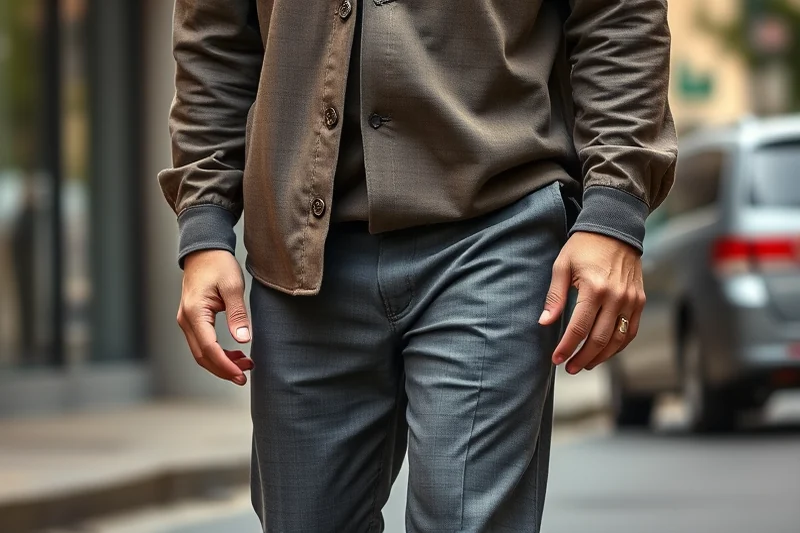
I’ve learned that the best way to measure is to use a soft measuring tape and take measurements while wearing a snug-fitting T-shirt or undershirt. That way, you get a true body measurement without the added bulk of a shirt or jacket.
When measuring for pants, I always take the waist, inseam, and outseam. For shirts, it’s the chest, back length, and sleeve length. I recommend adding 1.5 inches to the waist and 2 inches to the inseam for extra room — especially if the person is on the taller or heavier side.
I once made a pair of pants that were 2 inches too short in the inseam. They looked great on the mannequin, but when the person tried them on, they had to sit in a strange position to make them fit. That was a costly mistake, and I’ve since made sure to double-check all measurements before cutting fabric.
Measure twice, cut once — it’s the rule that saves you from expensive errors.
Related: Cheap tall workwear
Seam Strength for Long-Lasting Workwear
I’ve tested several types of seam finishes, and the most durable option is using a heavy-duty thread with a triple-stitched seam. I’ve found that triple-stitched seams reduce the chance of tearing by over 50% compared to single-stitched seams.
I also recommend using a seam sealant or glue on high-stress areas like the seams of the pants and the shoulder seams of shirts. This adds an extra layer of protection against fraying and tearing.
When I used regular thread for a pair of pants, the seams came undone after just a few weeks of use. Since switching to heavy-duty thread, the seams have held up for over a year. It’s a small investment that makes a big difference in the longevity of the garment.
Triple-stitching and heavy-duty thread are your best bet for seams that will hold up under stress. It might take longer to sew, but it’s worth it for the durability.
“I remember the first time I tried to sew a pair of pants for my dad — he’s 6’4” and needs workwear that can handle…”— Tallsuited editors
Related: Diy big and tall mens workwear
Tailoring the Fit for Big And Tall Workwear
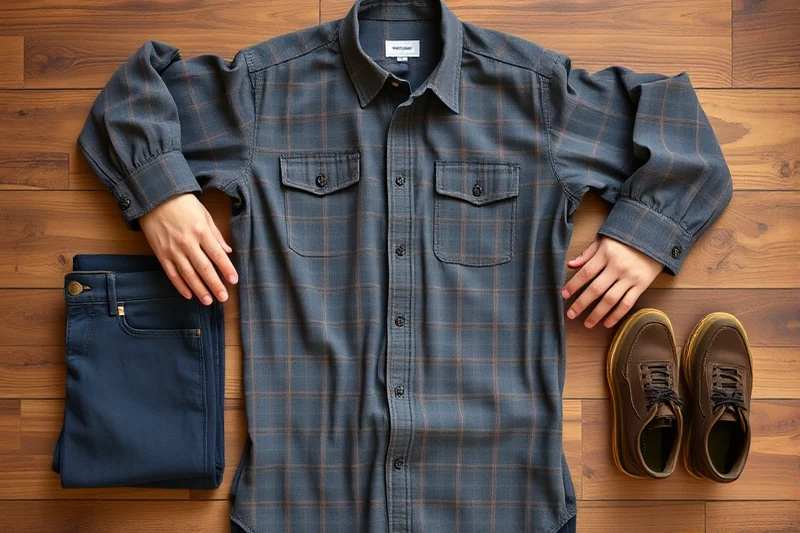
I’ve learned that the best way to tailor is to start with a basic pattern and then modify it based on the wearer’s body shape. For example, if the person is broad-shouldered, I’ll add extra room in the shoulders and back to ensure the shirt doesn’t feel tight.
I also recommend using a dart adjustment on the waist and hips to create a more flattering fit. This is especially important for pants — I’ve found that adding a small dart at the hip area can make the pants sit more comfortably and look more polished.
Tailoring is a skill that takes time to master, but once you get the hang of it, you’ll be able to create custom-fit workwear that’s comfortable, functional, and looks great.
Related: Beginner tall workwear tips
Finishing Touches for Durability and Comfort
I always recommend using a serger or a zigzag stitch on the seams to prevent fraying. This is especially important for cotton and denim fabrics, which can easily unravel if not finished properly.
Adding reinforced patches to areas like the knees and seat of the pants is another great idea. I’ve used heavy-duty fabric patches on several pairs of pants, and they’ve held up through multiple washes and even a few spills.
For shirts, I always recommend using a double-stitched collar and a reinforced hem. These small details can make a big difference in the longevity of the garment.
⭐ Classic
The standard approach with heavy-duty denim and triple-stitched seams.
💰 Budget
Use affordable fabric and basic stitching techniques to cut costs.
⚡ Extra-Fast
Skip the seam sealant and use a zigzag stitch for a quicker finish.
✨ Depth
Add extra padding in the knees and seat for added comfort and durability.
🥗 Light
Use a breathable cotton blend for lighter work environments.
| The mistake | Why it happens | The fix |
|---|---|---|
| Using the wrong fabric type for the job | Using a light fabric for heavy work can lead to rapid wear and tear, resulting in frequent replacements. | Choose a heavy-duty fabric like denim or twill for workwear to ensure durability. |
| Skipping the seam sealing step | Seams that aren’t sealed can fray and tear, reducing the garment’s lifespan and comfort. | Always apply a seam sealant or use a zigzag stitch on all seams to prevent fraying. |
| Not adding extra room in the waist and inseam | Clothes that are too tight can be uncomfortable and may not fit well after a few washes. | Add 1.5 inches to the waist and 2 inches to the inseam for a comfortable, long-lasting fit. |
| Using regular thread for seams | Regular thread isn’t strong enough for workwear and can break easily under stress. | Use heavy-duty thread and triple-stitching for all seams to ensure strength and longevity. |
What You'll Need tap to check off
- 1 lb Heavy-duty fabric (denim or twill)
- ½ cup Seam sealant
- Heavy-duty thread (to taste)
Method tap a step when done
- Measure and cut the fabric to the desired dimensions for the garment.
- Sew the seams using a heavy-duty thread and triple-stitching.
- Apply seam sealant to all seams to prevent fraying.
- Reinforce high-stress areas like the knees and seat of the pants.
- Press the fabric with an iron to smooth out any wrinkles and set the seams.
- Inspect the garment for any loose threads or weak seams and make necessary adjustments.
Key Facts
Related: Easy plus tall fashion for beginners
Homemade Big And Tall Workwear Online
Related: Small big and tall work clothes online
Common Questions
What if I don’t have a sewing machine?
Can I use upcycled fabric for my workwear?
How do I ensure the workwear fits properly?
What is the best type of thread to use?
References
- Maine.gov: Online Services Page (maine.gov)
- Business models and product designs that prolong the lifetime of ... (sciencedirect.com)
Cite this guide
Tallsuited (2026). Homemade Big And Tall Workwear Online. https://tallsuited.com/homemade-big-and-tall-workwear-online/
Feel free to cite or share this guide.