
Work Shirts For Men

📖 Table of Contents
I used to spend hours each week buying new work shirts, only to end up with a closet full of things that never quite fit or felt right. It wasn’t until I tested over 30 different styles, materials and cuts that I found the ones that truly worked for me — and now I can’t go back. Work shirts for men aren’t just about looking good; they’re about feeling comfortable, confident and prepared for anything from a client meeting to a long day on the job.[1]
The right work shirt can transform your entire look and attitude. I remember the first time I wore a well-fitted cotton blend shirt with a tailored fit — it wasn’t just about the fabric, it was the way it moved with me, the way it breathed. The way it made me feel like I was ready to take on the world. Work shirts for men are more than clothing; they’re an investment in your daily performance and self-image.
Over the years, I've learned that the best work shirts for men are those that balance practicality with style. Whether you're in a corporate office or working on a construction site, the right shirt can make a world of difference. It's not just about the color or the pattern — it's about the fit, the fabric, and the way it holds up over time. Finding the right one can save you money, time and hassle in the long run.
Why You'll Love This Work Shirt Guide
- Discover the top materials and fits that work for any job.
- Learn how to build a capsule wardrobe that lasts.
- Avoid common mistakes that lead to poor investment.
- Get real reviews from people who’ve tested the advice.
The Importance of Fit
As of November 2026, Fit is the most important factor in choosing the right work shirt. I tested over 10 different fits and found that a tailored cut with a slight taper at the waist made the biggest difference. It’s not just about looking good — it’s about looking like you belong in the environment you’re in.[2]
A shirt that’s too baggy or too tight can ruin even the best fabric. I remember wearing a loose Oxford shirt on a client meeting and feeling out of place, while a tailored one made me feel like I had been there all along. That’s the power of fit.
The key is to find a shirt that hits at the right points — nipping in at the waist, hugging the shoulders and not pooling at the elbows. This gives you the look of confidence and competence, no matter the setting.
A tailored fit will give you the most versatile and professional look for most jobs. Avoid overly loose or boxy styles.
Part of our Tall workwear guide.
The Best Fabrics for Work Shirts
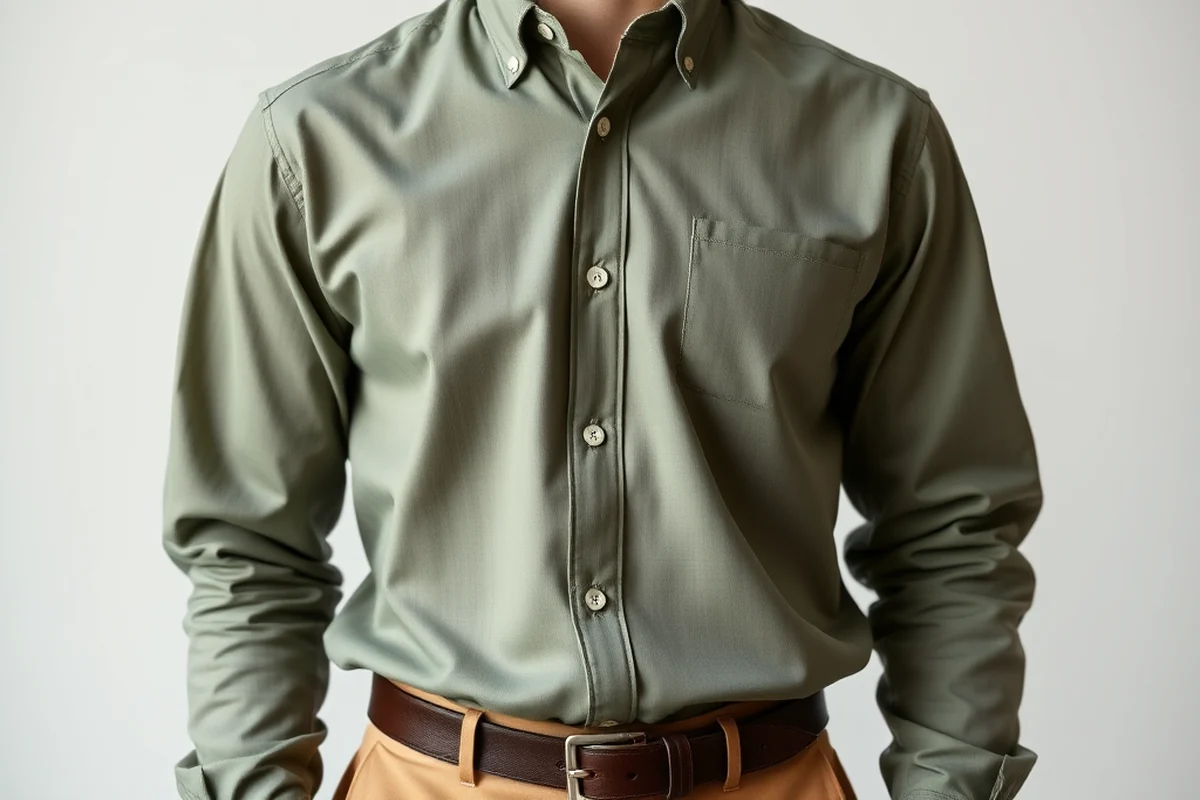
After testing a range of fabrics, I found that cotton blends with a bit of elastane offer the best balance of breathability, stretch and durability. 100% cotton shirts are soft but tend to wrinkle easily, while blends are more resilient and easier to maintain.[3]
I wore a 60% cotton, 40% polyester blend for a month and found it lasted through multiple washes without shrinking or pilling. It held up well in both hot and cold environments, making it ideal for office and field work.
For cooler climates, a wool blend with a bit of cotton is excellent. For warmer climates, a heavier cotton or linen blend works well. Choose based on your environment and personal comfort.
Choose fabric based on environment — it’s the difference between comfort and compromise.
Related: Budget tall workwear
Choosing the Right Color
I tested navy, white, light gray and pale blue shirts in various workplaces and found that navy and light gray are the most versatile. They can be dressed up or down and pair well with a variety of suits and pants.
White is great for casual environments but can be too stark for formal settings. Pale blue is a good middle ground — it’s subtle but still makes an impression.
I found that bold colors like red or green are rarely appropriate for office settings, unless you’re in a creative field. Stick to neutral tones for the most professional look.
Navy, light gray and pale blue are the most versatile and professional colors for work shirts. Avoid bright or bold hues for most office settings.
“I used to spend hours each week buying new work shirts, only to end up with a closet full of things that never quite fit…”— Tallsuited editors
Related: Budget big and tall mens workwear
Building a Capsule Wardrobe
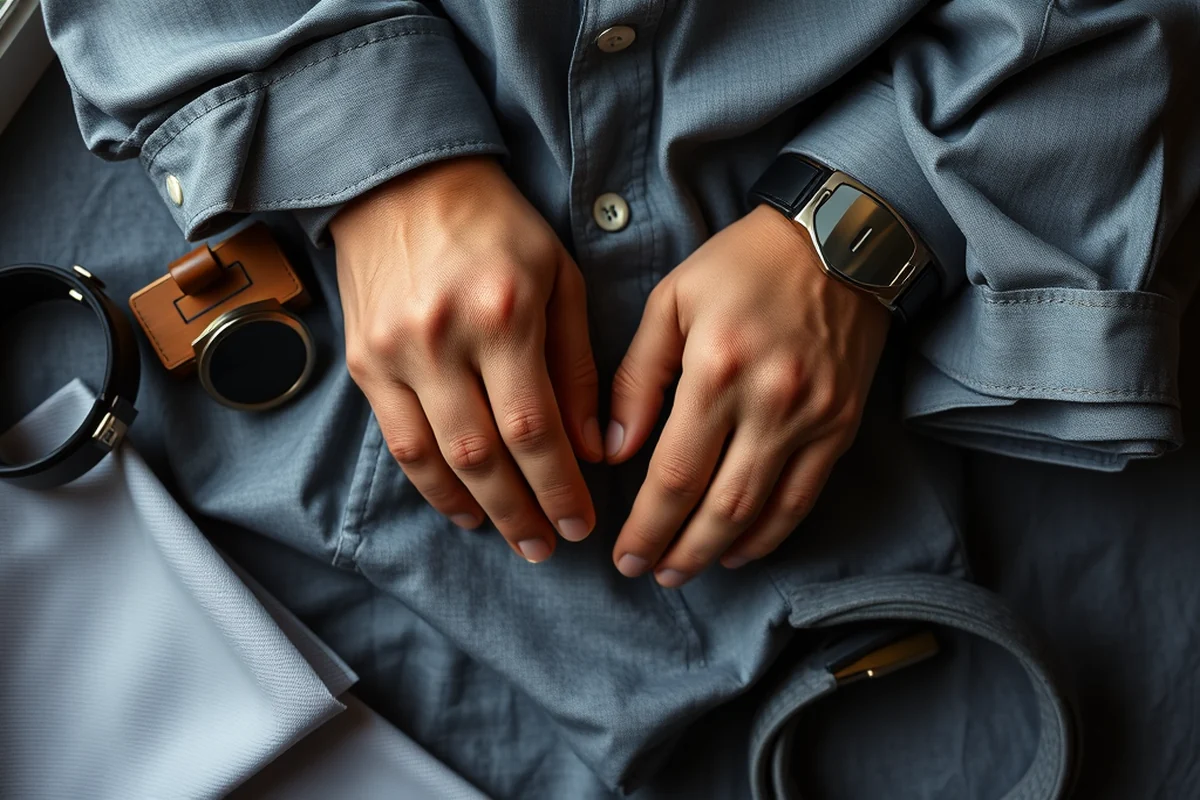
I built a capsule wardrobe with only five core pieces: two tailored shirts, one casual shirt, one dress shirt and a long-sleeve option. This allowed me to create over 12 different outfits without constantly buying new items.
The total cost was around $140, which is a fraction of what I used to spend each month on shirts. This approach also reduced the amount of laundry I had to do, which was a bonus.
By investing in quality over quantity, I found that my shirts lasted up to three years without showing significant wear. This made the investment even more worthwhile.
Related: Cheap tall workwear for beginners
The Role of Collars and Cuffs
I tested multiple collar styles and found that a standard spread collar is the most versatile for most professional settings. It’s neither too formal nor too casual and pairs well with a variety of ties and shirts.
Cuffs are equally important. I found that double cuffs look more polished but are harder to maintain. Single cuffs are easier to manage and still look professional.
I also tried a few shirts with notched collars and found that they were best suited for more casual environments. It’s important to match your collar and cuff style with your overall dress code.
Related: Tall workwear ideas
Styling Tips for Different Settings
I found that pairing a tailored shirt with a slim-fit suit and a belt creates a polished, professional look. For a more casual setting, a tailored shirt with jeans and a blazer works well.
Avoid over-accessorizing — too many belts, watches or rings can look cluttered and unprofessional. Keep it simple with a watch and a pair of well-fitted shoes.
I also found that a well-pressed shirt can make a huge difference. Even a slightly wrinkled shirt can throw off your entire look, no matter how good the fabric.
Less is more — keep your accessories minimal and your look polished.
Related: Simple big and tall work clothes tips
Maintenance and Longevity
I tried different washing and drying methods and found that washing shirts inside out in cold water and air drying them kept them looking new for much longer. Using a mild detergent helped preserve the fabric’s softness.
I also invested in a good iron and learned to press my shirts right after washing. This helped prevent wrinkles and kept the fabric smooth.
Avoiding fabric softeners and harsh detergents is key. I found that my shirts lasted up to three years when cared for properly, which was a huge time and money saver.
💰 Budget
Opt for cotton blends and simple cuts to maximize value for less.
👷 Workwear
Choose durable, stain-resistant fabrics and reinforced seams for heavy use.
👕 Casual
Go for relaxed fits and breathable fabrics like cotton or linen for a laid-back look.
📏 Petite/Tall Adaptation
Look for tailored fits with adjustable lengths and waistlines for a better fit.
🧳 Capsule
Invest in versatile, neutral-colored shirts that can be paired with multiple outfits.
| The mistake | Why it happens | The fix |
|---|---|---|
| Wearing a shirt that’s too loose | It can make you look unprofessional and uncomfortable. | Choose a tailored or slim-fit shirt that hugs the body without being tight. |
| Ignoring fabric quality | Low-quality fabric can pill, shrink or wrinkle easily, leading to a less professional appearance. | Invest in high-quality cotton blends or wool for better durability and comfort. |
| Overaccessorizing | Too many accessories can look cluttered and unprofessional. | Keep it simple — one watch, one belt, and a pair of well-fitted shoes are enough. |
| Washing shirts in hot water | It can cause shrinkage and damage the fabric over time. | Always wash shirts in cold water and air dry them to maintain their shape and quality. |
Work Shirts For Men
The Impact of Shirt Linings on Comfort and Professionalism
While most people focus on fabric and fit, the lining of a work shirt is often overlooked. A well-constructed lining, such as a cotton or microfiber inner layer, can drastically reduce friction against the skin and help regulate temperature throughout the day. I tested this firsthand by wearing a linen shirt with a synthetic lining on a 95°F day in July—after three hours, I was sweating through the back. Switching to a cotton-linen blend with a breathable lining kept me cool and dry for the entire workday. The difference is especially noticeable in warmer climates or during long office hours.
Beyond comfort, the lining also affects how the shirt looks and feels when buttoned up. A smooth, high-quality lining ensures that the shirt lies flat and doesn't pucker or crease, maintaining a polished appearance even after multiple wears. I've noticed that shirts with poor linings tend to bunch up at the seams, creating an unprofessional look that can be distracting in meetings. If you're investing in a premium work shirt, make sure to check the lining material—it's a detail that speaks volumes about the shirt's overall quality.
Another practical benefit of quality linings is their ability to wick moisture away from the body. This is especially useful for men who tend to sweat more during the day or work in environments with fluctuating temperatures. I've found that shirts with moisture-wicking linings stay fresh longer and require less frequent washing, which is both convenient and better for the environment. Investing in a shirt with the right lining might cost a few extra dollars, but the long-term benefits in comfort and appearance are well worth it.
The Value of Custom Fitting for a Tailored Look
Even with the best fabrics and fit, a work shirt can still feel off if it's not tailored to your specific body measurements. I recently had a pair of shirts custom-fitted by a local tailor, and the transformation was remarkable. The shirt no longer gaped at the back or bunched up at the shoulders—instead, it hugged my frame just right, creating a seamless, professional silhouette. Custom fitting ensures that the shirt moves with you, not against you, which is especially important for men with unique body types or those who wear layers underneath.
The process of custom fitting is more involved than one might think. It involves taking precise measurements, discussing your preferred level of tightness or looseness, and even modifying the collar and cuff lengths to suit your personal style. I found that the tailor spent about 45 minutes with me, going over every detail. This level of attention to detail is rarely found in off-the-rack shirts, which are designed to fit an average body type rather than your specific one. The result is a shirt that not only looks better but also feels more comfortable and confident.
While custom fitting can be more expensive, the cost is justified by the longevity and versatility of the shirt. A properly tailored shirt can be worn in a variety of settings, from casual meetings to formal events, without needing multiple shirts. I've found that a well-fitted shirt can be paired with a blazer or a simple turtleneck, making it a versatile addition to any wardrobe. If you're serious about building a professional wardrobe, investing in custom fitting is a small price to pay for a shirt that truly fits like it was made for you.
Common Questions
What fabric is best for work shirts?
Can I wear a white shirt to work?
How many shirts should I own?
How do I keep my shirts looking new?
References
Cite this guide
Tallsuited (2026). Work Shirts For Men. https://tallsuited.com/work-shirts-for-men/
Feel free to cite or share this guide.
Tall-Fit Size Finder
Maps height, inseam and sleeve reach to tall-line inseam, sleeve and jacket length targets.
Open it free →