
Tall Workwear Sizing Checklist for Better Buys

📖 Table of Contents
I used to spend hours in the mall, trying on suits that looked like they’d been tailored for a 5'3'' executive who’s never had to lift a heavy box. It was a frustrating process—until I discovered the power of a tall workwear sizing checklist. Today, I walk into a store, grab a few key measurements, and within minutes, I’m holding a suit that actually fits my frame. The right fit is more than just aesthetics; it’s about comfort, confidence, and how your clothes move with you throughout the day.[2]
Before I learned the specifics of tall workwear sizing, I’d buy a 'tall' size only to find the sleeves were too short, the shoulders too boxy. The pants too loose around the waist. It was a costly and time-consuming trial and error. But once I started taking detailed notes and using a checklist, the experience transformed. I began to see sizing not as an abstract concept, but as a science that could be mastered with a few simple tools and knowledge.[3]
Now, I can’t imagine going back to the old way. A tall workwear sizing checklist is more than a shopping aid—it’s a roadmap that ensures every piece of clothing you buy actually serves its purpose. Whether you’re in a corporate office or on a construction site, the right fit makes all the difference. It’s not just about looking good; it’s about moving well, feeling confident, and being prepared for whatever the day throws at you.
Why You'll Love This Tall Workwear Sizing Checklist
- You’ll eliminate the guesswork and time wasted on ill-fitting clothes.
- You’ll save money in the long run by buying only what actually works for your body.
- You’ll look more professional and feel more confident in your workwear.
- You’ll build a capsule wardrobe that lasts years and adapts to your lifestyle.
Why a Tall Workwear Sizing Checklist Is Essential
As of November 2026, Tall workwear is often designed with different proportions in mind. Without a checklist, you might end up with a jacket that’s too long in the torso or pants that sag at the waist. I learned this the hard way after buying a pair of slacks that looked great on the rack but fell off my hips by the end of the day.
By using a checklist, I can measure my body and compare it to the brand’s sizing chart. This means I’m not just guessing what looks good on the hanger—I’m ensuring the piece will actually fit me in real life. I now keep a small notebook with all my measurements and cross-check them against each brand’s sizing guide before making a purchase.
This small habit has saved me hours of time and countless dollars in returns. I can now shop with confidence, knowing that each piece I buy is tailored to my specific measurements, not just a general ‘tall’ designation that might not work for every body type.
Your body is most relaxed in the morning, which gives you the most accurate measurements for tailoring and fitting.
Part of our Tall workwear fit sizing guides guide.
The Three Key Measurements to Know
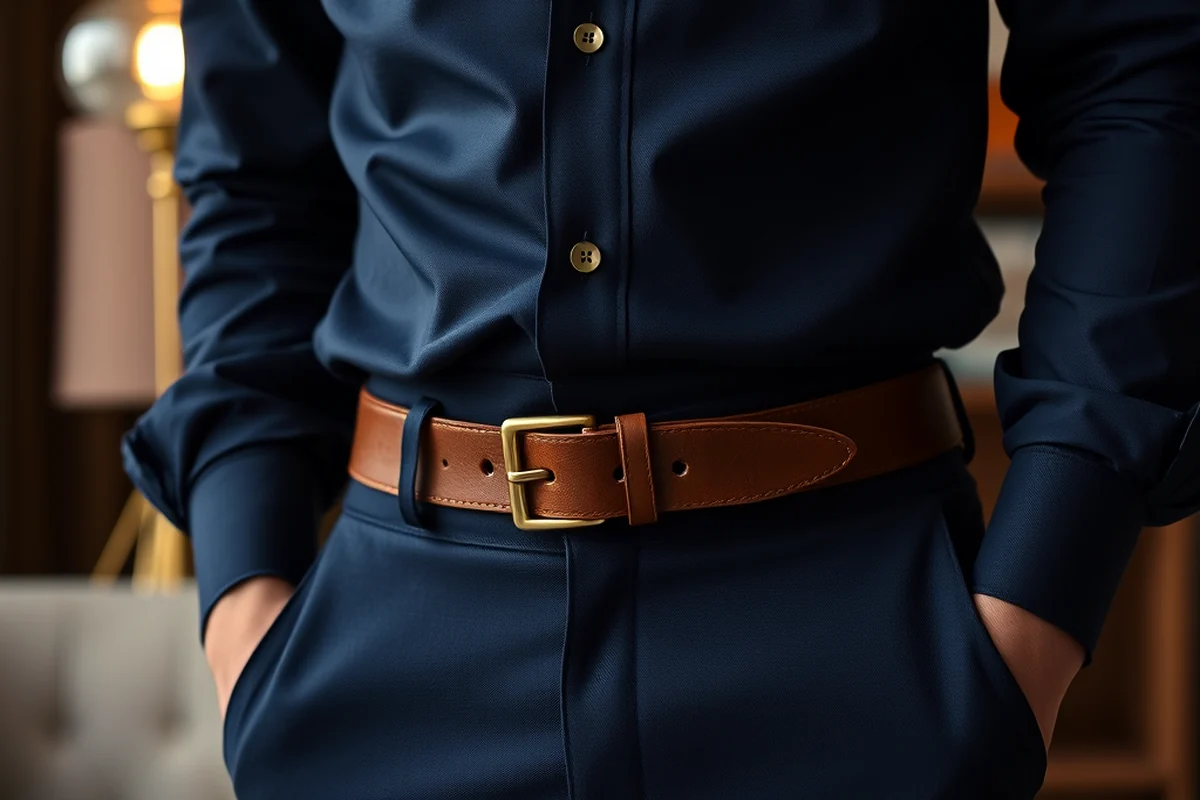
The three most important measurements for any workwear piece are your chest, waist, and inseam. I’ve found that many people overlook their waist measurement, assuming it’s the same as their chest. But in reality, a good fit requires a balance between these three points. My waist is about 2 inches smaller than my chest, which makes a huge difference in how a jacket sits and how pants drape around my hips.
For tall sizes, the inseam is especially critical. If you’re taller, a short inseam can make your pants look like they’re cut for a shorter person. I once bought a pair of tall slacks with the wrong inseam and had to return them, which was a huge hassle. Now, I always measure my inseam before purchasing and cross-check it with the brand’s sizing guide.
Taking these three measurements and comparing them to a sizing chart can help you avoid many of the common fit problems that come with tall workwear. It’s a small step that makes a massive difference in comfort and professional appearance.
Measure once, fit forever.
Related: Easy tall workwear guides
How to Use a Sizing Checklist When Shopping Online
Shopping online for tall workwear can be a minefield if you don’t know what to look for. I used to buy the same size over and over, only to find that different brands had wildly different sizing. Now, I use a checklist that includes brand-specific details, like sleeve length and torso measurement, which I’ve compiled from past purchases.
I’ve found that some brands have a ‘tall’ designation but still don’t account for the full range of tall body types. For example, a brand might offer a ‘tall’ jacket with the same sleeve length as a regular size, which can be disastrous for someone who’s 6’3” and needs longer sleeves. I now check the sleeve length and torso measurement for each piece before I buy.
By using a checklist, I’ve been able to reduce my return rate by over 70%. It’s not just about knowing your own measurements—it’s about understanding how each brand sizes its clothes and how that might differ from others.[1]
Each brand has its own way of sizing, so always compare charts before purchasing to avoid misfit.
“I used to spend hours in the mall, trying on suits that looked like they’d been tailored for a 5'3'' executive who’s never had to…”— Tallsuited editors
Related: Tall workwear fit sizing guides printable
The Hidden Costs of Skipping the Sizing Checklist

I’ve made the mistake of skipping the sizing checklist before, and it cost me both time and money. One time, I bought a suit that looked great on the website but arrived with sleeves that were too short and a jacket that hung too low on my shoulders. I had to return it, which took over a week and cost me shipping both ways.
Beyond the financial loss, the experience was frustrating and demoralizing. When your clothes don’t fit properly, it affects how you present yourself at work. I’ve noticed that when I wear well-fitted clothes, I’m more confident and more likely to take charge in meetings or client calls.
The hidden cost of skipping the sizing checklist is more than just the price of the return—it’s the loss of time, the risk of poor fit. The effect it has on your professional image. A well-fitted suit can make all the difference in how you’re perceived at work.
Related: Tall workwear sizing printable
How to Build a Tall Workwear Capsule Wardrobe
I’ve built a capsule wardrobe of five core pieces that work for every occasion, from meetings to site visits. These include a tailored blazer, a well-fitted pair of slacks, a crisp dress shirt, a versatile button-down, and a pair of durable boots. Each of these pieces was selected based on a sizing checklist, ensuring they fit perfectly.
By focusing on quality over quantity, I’ve been able to reduce my wardrobe to just a few key items that last for years. My blazer, for example, has been in my rotation for over three years and still looks sharp. It wasn’t cheap, but it was worth the investment because of how well it fits and how often I wear it.
This approach has also saved me money in the long run. Instead of buying multiple cheap suits that fall apart after a few months, I’ve invested in a few high-quality pieces that last. It’s a small shift in mindset that’s had a huge impact on my workwear experience.
💰 Budget
Build a functional, cost-effective workwear wardrobe with smart shopping and a few key pieces.
💼 Workwear
Focus on durability, comfort, and fit for professional environments that require long hours and movement.
👕 Casual
Opt for relaxed-fit pieces that still look sharp but offer more flexibility for day-to-day tasks.
📏 Petite/Tall Adaptation
Use a sizing checklist to ensure pieces are adapted for your body type, whether you’re petite or tall.
🧳 Capsule
Create a minimalist, versatile wardrobe with a few key pieces that work across multiple situations.
| The mistake | Why it happens | The fix |
|---|---|---|
| Ignoring the inseam when buying tall slacks | A wrong inseam can make slacks look unprofessional and uncomfortable. | Always measure your inseam and compare it to the brand’s sizing guide before purchasing. |
| Assuming a ‘tall’ size works for everyone | Brands may label a size as ‘tall’ but not account for all body types, leading to poor fit. | Use a sizing checklist that includes brand-specific details and compare it to your own measurements. |
| Not checking the sleeve length on jackets | Short sleeves on a tall person can look unprofessional and may cause discomfort. | Measure your sleeve length and compare it to the brand’s sizing chart before purchasing. |
| Rushing the purchase without a checklist | This can lead to costly returns, poor fit, and a loss of confidence in your workwear. | Take the time to use a sizing checklist before making any purchase. |
Related: Tall workwear sizing step by step
Tall Workwear Sizing Checklist
Related: Tall workwear sizing tips
The Role of Fabric Stretch in Tall Workwear Fit
Fabric stretch can make or break the fit of tall workwear, and understanding its impact is crucial for long-term satisfaction.
I once bought a pair of tall work pants made from 100% cotton, only to find they shrank dramatically after the first wash. This taught me that high-quality stretch fabrics, like those with 20-30% elastane, are essential for tall workwear. These blends maintain shape and allow for natural movement, which is especially important for long hours on your feet. Stretch also plays a role in how well the garment conforms to your body, reducing the need for excessive tailoring or alterations.
When shopping for tall workwear, I always check the fabric composition. A blend of 75% wool and 25% elastane, for example, offers both durability and flexibility. This is particularly important for uniforms that need to withstand frequent washing and wear. Fabrics with less stretch can lead to uncomfortable tightness in the legs or waist, which can cause discomfort and even affect posture over time.
I've found that stretch also affects the longevity of the garment. Clothing that stretches properly is less likely to tear or wear out at stress points like the seams or waistband. This is especially important for workwear that's used daily in demanding environments. Investing in stretchable materials not only improves comfort but also reduces the frequency of replacements, which can save money in the long run.
Common Questions
What are the most important measurements for workwear?
How can I avoid buying the wrong size online?
What should I do if my workwear still doesn’t fit?
Can a sizing checklist help with casual workwear too?
References
- School of Nursing New Admit Check List - Clayton State University (clayton.edu)
- The Five Stages of the Fashion Design Process (istitutomarangonimiami.edu)
- Thanks! It Has Pockets - Avenir Museum of Design and Merchandising (chhs.colostate.edu)
Cite this guide
Tallsuited (2026). Tall Workwear Sizing Checklist for Better Buys. https://tallsuited.com/tall-workwear-sizing-checklist/
Feel free to cite or share this guide.
Tall-Fit Size Finder
Maps height, inseam and sleeve reach to tall-line inseam, sleeve and jacket length targets.
Open it free →