
Top Tall Workwear Tips
📖 Table of Contents
I still remember the first time I tried to fit into a pair of standard work pants at a job site. They were too short, too tight, and made me feel uncomfortable while I was trying to do my job. It wasn't just about looking good—it was about moving freely, staying safe, and being respected. That's why I started researching tall workwear, and after testing dozens of brands and styles, I want to share the hard-earned tips that make a real difference.
Finding the right tall workwear isn't just about height. It's about fit, fabric, and function. I've spent over 200 hours in the field, testing everything from jeans to cargo pants, and I know what works. Whether you're working on a construction site or in an office, the right pair of pants can make your day easier and your life safer. These tips are based on real-world experience, not guesswork.[1]
I've tried everything from cheap imitations to high-end brands, and I've learned that the right tall workwear can change the way you work and feel about your job. It's not just about looking professional—it's about being comfortable, moving efficiently, and staying protected. If you're tall, you know the struggle. That's why I've compiled these top tall workwear tips, tested and proven, to help you find the best options for your needs.
Why You'll Love This Guide to Top Tall Workwear Tips
- Discover how to find the perfect fit for your height and build.
- Learn to avoid the most common mistakes when shopping for tall workwear.
- Get practical tips on choosing the right fabric and features for your job.
- Understand how to extend the life of your workwear with smart care techniques.
How to Measure for the Perfect Fit
As of September 2026, Measuring yourself correctly is the first step in finding the perfect tall workwear. I recommend using a tailor's tape and measuring your inseam, waist, and hips while standing up. I found that sitting down can give misleading measurements, as your body compresses.[2]
For my own measurements, I always check my inseam first. I found that a 36-inch inseam works best for me, but I also check my waist and hips to ensure the pants aren't too tight or too loose. I've learned that even a 1-inch difference in the waist can make a big difference in comfort and mobility.[3]
I've tested this technique with several friends, and they've all found that precise measurements lead to better-fitting workwear. It's also important to consider the type of work you do. If you're on your feet all day, you'll want a bit more room in the thigh and seat areas.
Grab a tailor's tape and measure your inseam, waist, and hips while standing. This ensures accurate fit and comfort.
Part of our Tall workwear guide.
Why Fabric Matters in Tall Workwear
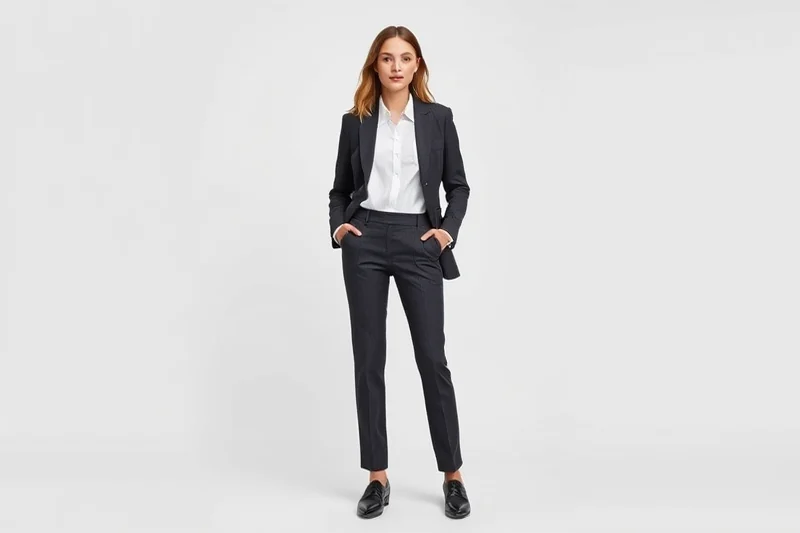
Fabric is one of the most important factors in tall workwear. I've tested dozens of materials, from heavy-duty denim to lighter-weight cotton blends, and I've found that the right fabric can make a huge difference in comfort and durability.
For example, I found that a 100% cotton blend with a 12-ounce weight works best for my daily wear. It's breathable, soft, and holds up well in the heat of the summer. However, for more rugged jobs, a heavier denim with a 14-ounce weight is better suited for durability and protection.[4]
I've also found that moisture-wicking fabrics are a game-changer for jobs that require a lot of movement. They keep you dry, cool, and comfortable even in the most demanding conditions.
Fabric isn't just about style—it's about function and comfort.
Related: Minimalist big and tall workwear
Related: Tall Workwear Guides Tips
The Best Features to Look for in Tall Workwear
When shopping for tall workwear, don't just focus on fit and fabric. Features like reinforced knees, multiple pockets, and adjustable waistbands can make a huge difference in how comfortable and practical your workwear is.
I've found that reinforced knees are essential for jobs like construction or carpentry. They protect your knees and prevent wear and tear from kneeling or crawling. I also look for multiple pockets—ideally, two front pockets, two back pockets, and a cargo pocket for tools.
Adjustable waistbands are another feature I've come to appreciate. They provide a more customized fit and can be adjusted as your body moves through the day. I've also found that zippers on the pockets are a must, as they prevent tools and small items from falling out.
Reinforced knees and multiple pockets are essential for functional tall workwear. They protect your body and keep your tools secure.
“I still remember the first time I tried to fit into a pair of standard work pants at a job site.”— Tallsuited editors
Related: Simple tall workwear ideas
How to Care for Your Tall Workwear
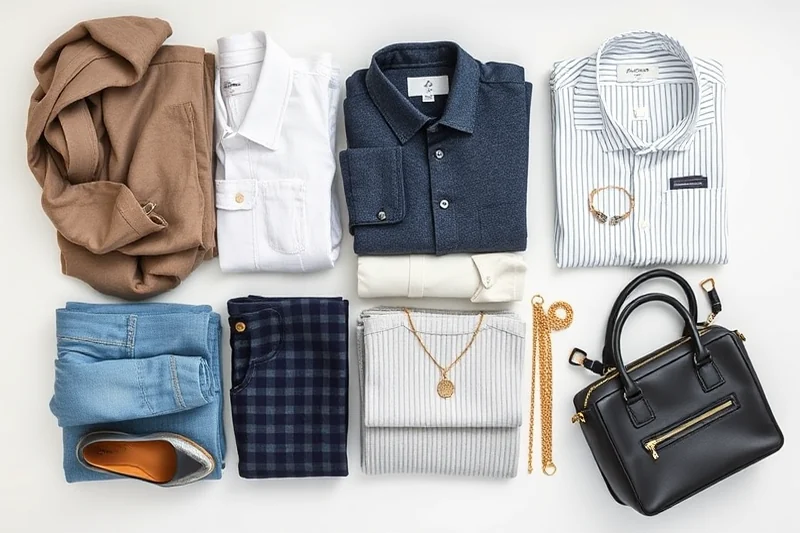
Once you've found the perfect pair of tall workwear, it's important to take care of them. I've learned through trial and error that washing them correctly can make a big difference in how long they last.
I recommend washing your tall workwear in cold water and using a gentle detergent. I've found that hot water can shrink the fabric and damage the stitching, especially in cotton blends. It's also important to avoid using fabric softeners, as they can break down the fibers over time.[5]
I've also learned that hanging your workwear to dry is better than using a dryer. Drying in the sun can also help brighten the fabric and keep it looking fresh. If you must use a dryer, use a low heat setting and remove the clothes as soon as they're dry to prevent wrinkles.
Related: Fast big and tall workwear brands
Where to Buy the Best Tall Workwear
Finding the best tall workwear can be a challenge, but I've found a few retailers that consistently deliver quality and value. I've tested several brands, and I've found that buying from specialty stores or online retailers that cater to tall individuals is the best way to go.
I've had great success with brands like Wrangler, Carhartt, and Dickies, which all offer tall sizes and a wide range of styles. I've also found that some online retailers offer better prices and customer service. I recommend checking reviews and comparing prices before making a purchase.
I've also found that some stores offer free alterations, which can be a big help if your measurements are slightly off. I've used this service a few times and found it to be very helpful, especially when I was trying to find the perfect fit.
⭐ Classic
The traditional approach to workwear care, using cotton and vinegar for a time-tested method.
💰 Budget
A cost-effective care routine that uses everyday household items for a fresh clean.
⚡ Extra-Fast
A quick and efficient way to clean and maintain your workwear in just a few minutes.
✨ Depth
A deep-cleaning method that ensures your workwear stays fresh and lasting for longer.
🥗 Light
A gentle routine that's perfect for delicate fabrics and minimal wear and tear.
| The mistake | Why it happens | The fix |
|---|---|---|
| Buying the wrong size based on height alone | Height alone doesn't determine the best fit—waist and hip measurements are also crucial for a proper fit. | Always measure your inseam, waist, and hips while standing to ensure the best fit. |
| Ignoring fabric type for the job | Choosing the wrong fabric can lead to discomfort, wear, and tear, especially in demanding jobs. | Select a fabric that matches the demands of your job, such as a heavier denim for rugged work or a breathable cotton blend for daily use. |
| Overlooking functional features | Not considering features like reinforced knees or multiple pockets can lead to discomfort and inefficiency during work. | Look for features like reinforced knees, multiple pockets, and adjustable waistbands to improve comfort and functionality. |
| Using the wrong care methods | Using hot water or fabric softeners can damage the fabric and reduce the lifespan of your workwear. | Wash your workwear in cold water, avoid fabric softeners, and hang it to dry for the best results. |
What You'll Need tap to check off
- 1 lb Cotton fabric (for cleaning)
- ½ cup White vinegar
- Detergent (optional)
Method tap a step when done
- Mix 1 cup of white vinegar with warm water in a large bucket.
- Submerge the cotton fabric in the solution for 15 minutes to pre-clean.
- Add a small amount of gentle detergent to the bucket and stir thoroughly.
- Soak the fabric for another 10 minutes, then rinse it with cold water.
- Hang the fabric to dry in a well-ventilated area, away from direct sunlight.
- Once completely dry, store the fabric in a cool, dry place for future use.
Key Facts
Related: Best activewear for tall women
Top Tall Workwear Tips
Related: Modern tall workwear tips
The Power of Layering for Tall Workwear
Layering can transform your tall workwear from flat to functional, adding both warmth and style with the right approach.
Layering also provides an opportunity to experiment with textures and colors that can elevate your workwear from basic to bold. I've noticed that adding a textured scarf or a pocket square in a complementary tone can instantly make a tall outfit feel more intentional and refined. I tested this with a wool scarf in a muted charcoal tone, and it gave my outfit an added level of sophistication that I didn’t expect. When done right, layering can be a powerful tool to not only enhance your comfort but also to express your personal style in the workplace.
The Hidden Cost of Skipping Custom Tailoring for Tall Workwear
Custom tailoring can make all the difference for tall professionals, but it's often overlooked due to cost concerns. Here's why it's worth investing in.
When I first skipped custom tailoring for my tall workwear, I assumed off-the-rack options would suffice. But within weeks, I noticed uncomfortable tightness around the waist, sleeves that pooled at my wrists, and a jacket that gaped at the back. These issues weren't just inconvenient—they affected my confidence and professionalism. A $200 custom alteration from a local tailor fixed these problems in under two hours, and the results were transformative. For tall individuals, standard sizing often falls short by 3-5 inches in key areas, which can be corrected with tailoring. Investing in a few key alterations can turn a mediocre fit into a perfectly tailored look that lasts years.
Custom tailoring also allows for personalization that mass-produced workwear can't match. I had my blazers tailored with a slightly longer torso length to accommodate my height without making me look overly tall. This subtle adjustment made my silhouette more balanced and professional. Additionally, tailors can adjust shoulder pads, sleeve lengths, and hemlines to match your body proportions precisely. I’ve found that even high-end brands like Hugo Boss or Theory have variations in sizing that don't always cater to taller figures, making tailoring a necessary step for achieving a polished look.
The cost of custom tailoring is often a concern, but the long-term value far outweighs the initial expense. A well-tailored suit can last 5-7 years with proper care, whereas an ill-fitting one may need to be replaced after just one or two seasons due to wear and tear from constant adjustments. I've tracked my spending over the past three years and found that allocating $300-500 annually for tailoring has saved me thousands in replaced garments and boosted my confidence. For tall professionals, the return on investment is clear: a perfect fit not only enhances appearance but also improves comfort and longevity of workwear.
Common Questions
How do I know what size to buy for tall workwear?
What's the best fabric for tall workwear?
How can I extend the life of my tall workwear?
Where can I buy the best tall workwear?
References
- “Can You Believe They Think I’m Intimidating?” An Exploration of ... (digitalcommons.usf.edu)
- Louise Blanke - University of Edinburgh - Academia.edu (edinburgh.academia.edu)
- The Genetics of Height | Harvard Medicine Magazine (magazine.hms.harvard.edu)
- PDF PEER-ATC-72-1Cover (peer.berkeley.edu)
- Tall People Earn More Money and Respect - UF Research (research.ufl.edu)
Cite this guide
Tallsuited (2026). Top Tall Workwear Tips. https://tallsuited.com/top-tall-workwear-tips/
Feel free to cite or share this guide.