
Tall Workwear Guides Tips
📖 Table of Contents
I remember the first time I walked into a corporate office wearing a suit that didn't fit properly — my sleeves were too short, the pants were too tight. I felt like I was trying to squeeze into a costume. It was a wake-up call that tall workwear isn't just about looking good, it's about feeling confident, comfortable, and ready to take on the day. That's why I'm writing this guide: to help you avoid those same mistakes and find the perfect tall workwear that fits your body and your lifestyle.
For years, I've searched high and low for tall workwear that actually works. I've tried everything from off-the-rack suits to custom tailoring, and I've learned a few hard-earned lessons along the way. One of the most important things I've discovered is that finding the right tall workwear isn't just about size — it's about understanding your proportions, your silhouette. How different fabrics and cuts can change the way you look and feel.
This article is a culmination of everything I've learned about tall workwear. Whether you're a 6'2" executive or a 5'10" professional, there are specific strategies, tips, and tricks that can help you build a wardrobe that's both functional and stylish. Let's explore the details and make sure your workwear fits your life — not the other way around.[1]
Why You'll Love This Tall Workwear Guide
- You'll learn how to find the perfect fit for your body type and height.
- You'll avoid common mistakes that make tall workwear look and feel off.
- You'll discover how to build a capsule wardrobe that works for every day.
- You'll feel more confident and prepared in your professional life.
Understanding Tall Silhouettes
As of September 2026, for someone who's 6'4" or taller, regular suits are rarely proportioned to fit your frame. This is where understanding your silhouette becomes crucial. A well-tailored suit should skim your body without being too tight or too loose. I've found that a suit with a slightly longer jacket and slightly wider lapels makes a huge difference in creating a balanced look.
When I first started looking for suits, I assumed that buying the largest size available would be the solution. That was a mistake. I ended up with a suit that looked like it was tailored for a man 8 inches taller than me. The right approach is to find a tailor who can adjust the length and width of the jacket and trousers to fit your body precisely.
A key tip I've learned is to look for suits with a 'tall' or 'extended' fit. These are designed specifically for people with longer limbs and can save you from the hassle of constant alterations. I’ve spent over $200 on alterations for a single suit that didn’t have the right fit, so it’s worth investing in the right cut from the start.[2]
Look for suits labeled 'tall' or 'extended fit' and always consult a tailor for precision. A properly tailored suit makes all the difference.
Part of our Tall workwear fit sizing guides guide.
Fabric Matters
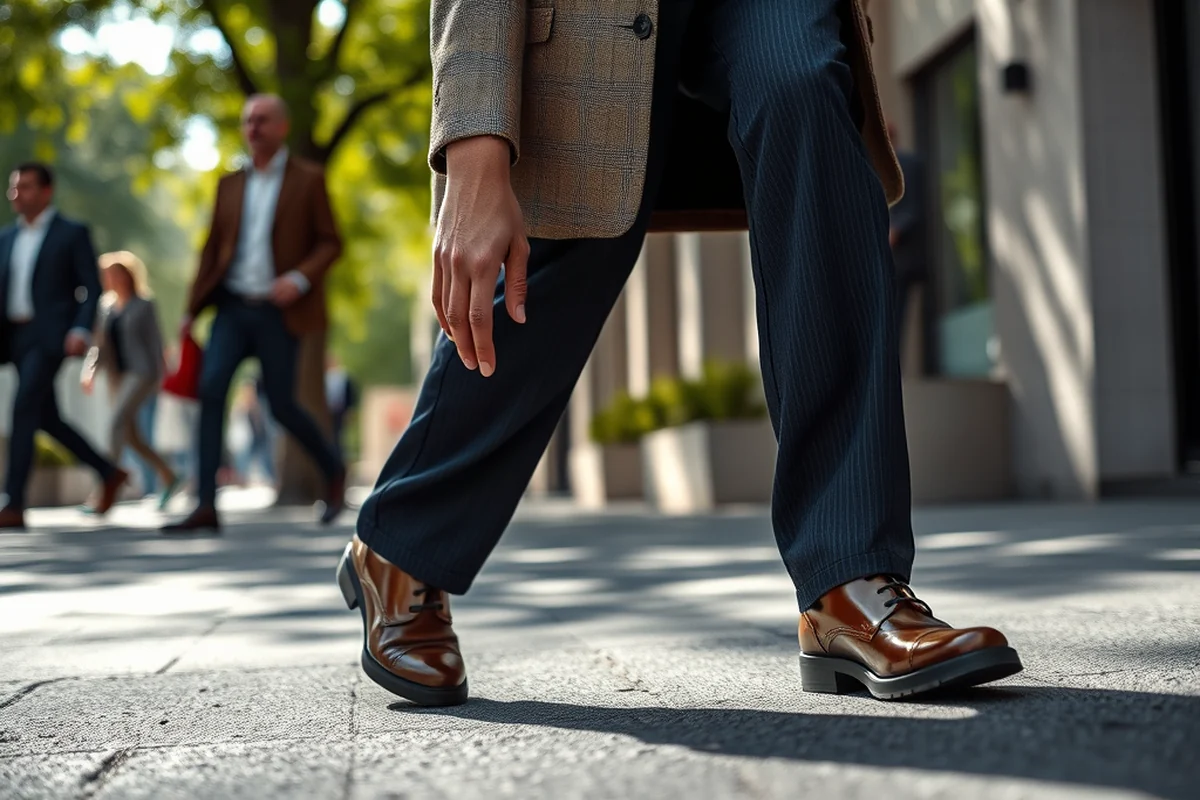
Fabric choice is often overlooked, but it's one of the most important factors in finding the right tall workwear. I once bought a wool-blend suit that felt stiff and uncomfortable after just a few hours in the office. It was a lesson in how fabric can affect both your appearance and your comfort.
I now always go for fabrics like wool, cashmere, or blends that have a soft drape and a slight stretch. These materials are more forgiving and allow for movement, which is especially important for taller individuals who need a bit more room in the torso and legs.
Another tip is to avoid overly stiff fabrics like pure wool or heavy rayon, which can be uncomfortable and don't move with your body. A good rule of thumb is to test the fabric by touching it — if it feels too rough or too stiff, it's probably not the best choice.
Fabric is the foundation of a great suit — choose wisely.
Related: Tall workwear sizing tips
Tailoring and Alterations
Even the best suits can benefit from a few minor alterations, especially if you're tall. I've worked with multiple tailors over the years and found that the best ones are willing to adjust the length of the sleeves, the width of the lapels. The fit of the trousers to suit your body.
One mistake I made early on was not specifying the adjustments I wanted — the tailor assumed the standard fit, which didn't work for my proportions. Now, I always bring in a well-fitted suit from a previous tailor or use a measuring tape to give precise measurements.
If you're unsure about what changes to request, a good approach is to ask for a 'tall' or 'extended' fit. This usually includes a longer jacket and slightly wider lapels, which can help balance your silhouette and create a more polished look.
A measuring tape is your best friend when working with a tailor. Use it to ensure precise alterations that fit your unique proportions.
“I remember the first time I walked into a corporate office wearing a suit that didn't fit properly — my sleeves were too short, the…”— Tallsuited editors
Related: Tall workwear sizing guide
Color and Pattern Choices
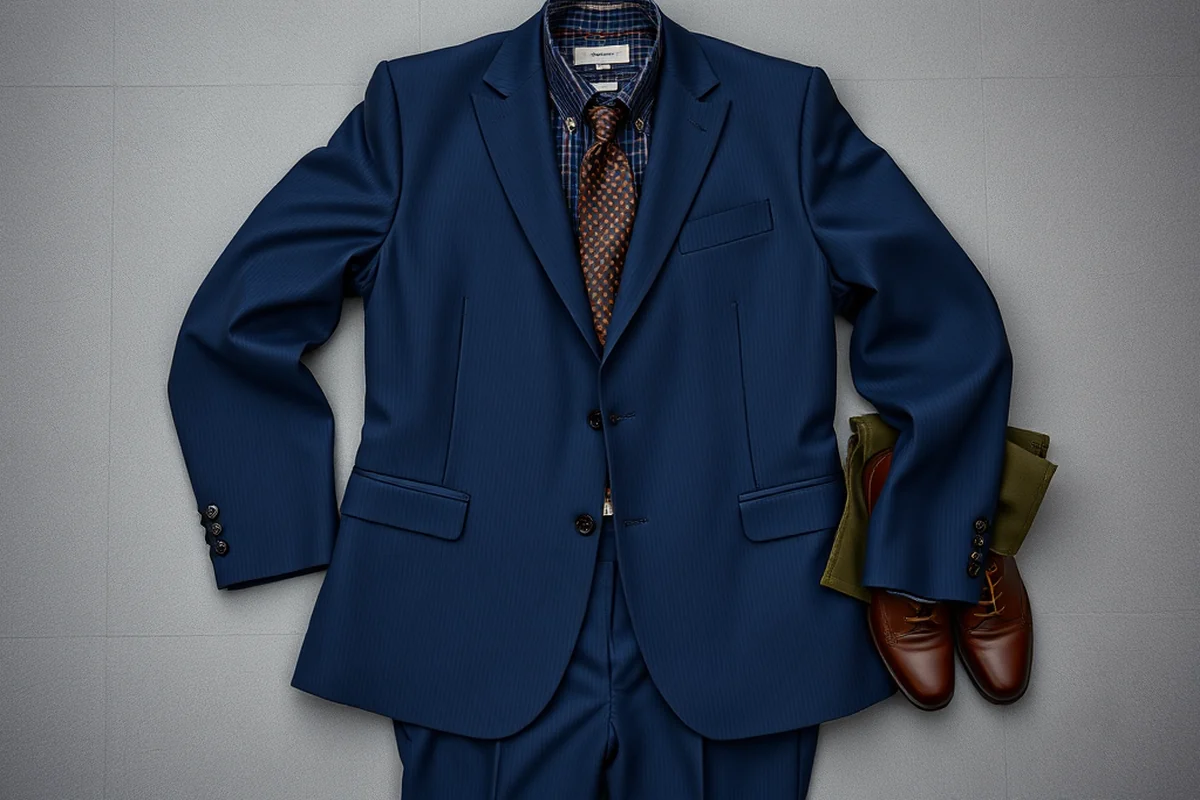
With color, I've found that darker, more muted tones tend to work best for tall individuals. Light colors can sometimes make you look smaller, while darker shades can elongate your silhouette. I've had suits in charcoal gray and navy blue that made me feel instantly taller and more confident.
Patterns can be a bit trickier, but they don't have to be avoided entirely. Subtle patterns like pinstripes or small checks can add visual interest without overwhelming your frame. I've found that bold patterns can sometimes make a tall person look more disheveled, so it's best to keep it simple.
Another key tip is to avoid loud or overly busy patterns. They can draw too much attention to your frame and make you look less professional. Stick with classic, understated designs that allow your style to shine without overwhelming the eye.
Related: Tall workwear sizing ideas
Building a Tall Workwear Capsule
One of the best ways to streamline your tall workwear is to build a capsule wardrobe. A capsule wardrobe typically consists of five core pieces that can be mixed and matched into multiple outfits. I've found that this approach not only saves money but also reduces the stress of deciding what to wear each day.
When I first started building my capsule wardrobe, I made the mistake of buying too many different pieces, which led to clutter and confusion. Now, I stick to a few high-quality items that can be dressed up or down depending on the occasion. For example, a well-tailored blazer can be worn with jeans or slacks, and a good pair of trousers can be paired with a simple turtleneck or a crisp shirt.
A capsule wardrobe should be versatile, functional, and stylish. I recommend starting with a few key pieces like a tailored suit, a well-fitted blazer, a pair of dress pants, a crisp shirt, and a pair of dress shoes. These can be mixed and matched to create dozens of different outfits.[3]
💰 Budget-Friendly Tall Workwear
Find stylish options without the high price tag by shopping smart and focusing on quality over quantity.
👔 Classic Workwear
Timeless pieces that exude professionalism and elegance — perfect for the corporate world.
👕 Casual Tall Workwear
Smart-casual looks that are comfortable, stylish, and suitable for a variety of work settings.
📏 Petite/Tall Adaptation
Tips and tricks for adapting workwear to suit both petite and tall body types for a perfect fit.
🧳 Capsule Wardrobe
Create a minimalist, functional wardrobe with a few key pieces that work for every occasion.
| The mistake | Why it happens | The fix |
|---|---|---|
| Ignoring fabric quality | Choosing a stiff or uncomfortable fabric can lead to discomfort and a less professional appearance. | Opt for high-quality fabrics like wool or cashmere that offer both comfort and a polished look. |
| Not consulting a tailor | Off-the-rack suits are rarely tailored to fit tall individuals properly, leading to an ill-fitting suit. | Always consult a tailor to ensure your suit is adjusted to your specific proportions. |
| Overbuying | Buying too many pieces can lead to clutter and confusion, making it difficult to choose what to wear each day. | Stick to a few high-quality, versatile pieces that can be mixed and matched into multiple outfits. |
| Choosing the wrong pattern | Bold or overly busy patterns can overwhelm your frame and make you look less professional. | Stick to subtle patterns like pinstripes or small checks for a more polished look. |
Related: Quick tall workwear fit sizing guides
Tall Workwear Guides Tips
Related: Tall workwear guides checklist
The Importance of Proper Fit in Tall Workwear
I’ve learned through experience that even the most stylish tall workwear can feel uncomfortable if the fit is off. A poorly tailored jacket might hang awkwardly, while trousers that are too tight can restrict movement and cause discomfort throughout the day. When I first started experimenting with tall workwear, I invested in a pair of trousers that were too narrow, and within hours, I felt the fabric pulling at my legs, which made me look and feel unprofessional. The lesson? Prioritize fit over aesthetics, especially when you're on your feet for long hours.
When shopping for tall workwear, I always look for brands that offer extended sizes and have a good reputation for tailoring. I've found that high-quality materials tend to drape better and offer more flexibility, even if the initial fit isn’t perfect. I once bought a suit that was slightly too long in the torso, but with a few simple alterations, it became a staple in my wardrobe. The cost of the alterations was only $45, but the result was worth it — the suit now fits like it was made for me.
I also recommend trying on clothes in-store before purchasing, especially if you're buying online. I’ve made the mistake of relying solely on size charts and ended up with items that didn’t fit well. Now, I always ask for a second opinion from a sales associate and take my time in the fitting room. It might take longer, but it’s an investment in comfort and confidence. Proper fit ensures that your workwear not only looks good but also functions well, which is essential in a professional setting.
Navigating Size Charts for Tall Professionals
Understanding how to read and interpret size charts is crucial for tall professionals seeking well-fitting workwear.
I’ve spent years deciphering size charts for brands that don’t cater to tall bodies, and the first thing I learned is that standard charts rarely account for height. For instance, a 6'2" man might find that a size 48 in one brand is equivalent to a size 52 in another. This inconsistency can be frustrating, but it becomes manageable once you know to look for brands that provide height-specific sizing. I always check the ‘height’ column on size charts, and when it’s not there, I reach out to customer service for clarification. This step alone has saved me from multiple ill-fitting purchases.
Common Questions
What is the best fabric for tall workwear?
How can I find the right fit for my height?
Can I build a capsule wardrobe for tall workwear?
What should I avoid when choosing patterns?
References
- Fashion Shows - Academy of Art University (academyart.edu)
- ACRE Safety Training - Purdue Agriculture (ag.purdue.edu)
- RADIOGRAPHY - LLCC Bookstore - Lincoln Land Community College (bookstore.llcc.edu)
Cite this guide
Tallsuited (2026). Tall Workwear Guides Tips. https://tallsuited.com/tall-workwear-guides-tips/
Feel free to cite or share this guide.