
Tall Workwear Fit Sizing Guides Step By Step
📖 Table of Contents
I remember the first time I walked into a tailor's shop with a stack of workwear I'd bought online. I'd selected a blazer that was labeled 'tall' but still felt like it was tailored for someone with a completely different build. The tailor looked at my measurements and then at the tag, then shook her head. 'You're not just tall,' she said. 'You're long in the limbs. This is a one-size-fits-all approach to height.' That moment changed how I think about sizing in workwear — it's not just about height; it's about proportions, fabric, and how the clothes actually move with your body.
I've spent the last five years testing and retesting fit guides for tall workwear, from button-downs to trousers. I've measured myself in over 100 different pieces, tracked how they wear over time, and even asked other tall people to test them. What I've learned is that most brands don't get the nuance right. They focus on length. Ignore the width, the curve of the sleeve, the drape of the fabric — all the things that make a piece of clothing feel like it was made for you, not just for your height.[1]
This article is for anyone who's ever stood in front of a mirror and thought, 'This fits everywhere but my shoulders.' I'm going to walk you step by step through the process of finding the right fit for your tall workwear. I'll explain how to measure, what to look for in tags, and how to spot the subtle differences between a well-made piece and one that's just stretched to look taller. By the end, you'll know exactly what to buy — and what to avoid — the next time you're shopping for a new suit or pair of trousers.
Why You'll Love This Guide to Tall Workwear Fit Sizing
- Avoids the common pitfall of buying 'tall' pieces that are only long in the torso, not the limbs.
- Gives you clear, measurable steps to ensure your workwear fits from shoulders to wrists, not just at the waist.
- Helps you understand brand-specific sizing quirks so you can shop with confidence.
- Includes practical tips for tailoring and adjusting pieces at home, without needing a tailor.
Start with Your Body Measurements
As of October 2026, I keep a notebook on my desk with my exact measurements — shoulder width, sleeve length, inseam, and waist. When I shop for workwear, I compare these numbers with the brand's sizing chart. For example, if the brand lists 'tall' as 6'2'' and I'm 6'4'', I know I’ll need to go up a size in the torso and adjust the sleeve length separately.
Measuring yourself is more than just numbers. I also pay attention to how the fabric feels against my skin. A good workwear piece should be snug enough to stay in place but not so tight that it restricts movement. I've learned that some brands list a size as 'tall' but the fabric is still too thin or stretchy to hold its shape properly.
Take the time to measure. I've found that even a half-inch difference in sleeve length can make a piece of clothing feel completely different. My advice is to measure twice and compare three different brands before making a purchase.
I always check both arms, both legs, and take three measurements on each. The difference between the left and right can be surprising.
Part of our Tall workwear fit sizing guides guide.
Look for Fit-Specific Tags, Not Just Height Tags

I've bought pieces labeled 'tall' only to find that the waistband was the same as a standard size, but the sleeve was too short. The brand had simply stretched the torso to accommodate height without adjusting the overall fit.
I recommend looking for brands that include specific fit notes on their tags. For example, 'extra room in the sleeves' or 'tailored for long limbs.' These are the brands I trust. One brand I tested had a 'tall' tag that also included 'extended sleeve length' — the first piece I bought from them fit perfectly the first time.[2]
If a brand doesn’t have fit notes, it's worth reaching out and asking. I’ve had brands send me a detailed breakdown of how their 'tall' sizes differ from standard sizes. This transparency is a sign of a brand that actually cares about fit, not just volume.
A 'tall' tag without specific fit notes is like a map without a compass — you might be going the right way, but you could still end up lost.
Related: Tall workwear fit sizing guides that actually work
Try Before You Buy — If You Can
I’ve spent hours in fitting rooms, trying on pieces from different brands. The difference between a well-fitted piece and one that’s just 'longer' is noticeable in how the fabric drapes and how the clothes move with you. I once bought a blazer that looked good on the hanger but felt like it was trying to tear itself apart when I moved.
When I can’t try on clothes, I rely on reviews and brand reputation. I’ve found that some brands have a high rate of returns for 'tall' sizes, which is a red flag. I look for reviews that mention 'good fit for long limbs' or 'sleeves don’t bunch up when moved.'
If you're in a store, don’t be afraid to ask for a second opinion. I’ve had store associates point out that a 'tall' size was actually a 'standard' size stretched — a big difference in how the clothes feel when worn.
I’ve had associates help me spot fit issues I didn’t even notice. They can see things you might miss, like how the fabric bunches or how the seams sit on your body.
“I remember the first time I walked into a tailor's shop with a stack of workwear I'd bought online.”— Tallsuited editors
Related: Tall workwear fit sizing guides checklist
Tailor to Your Body, Not Just the Brand
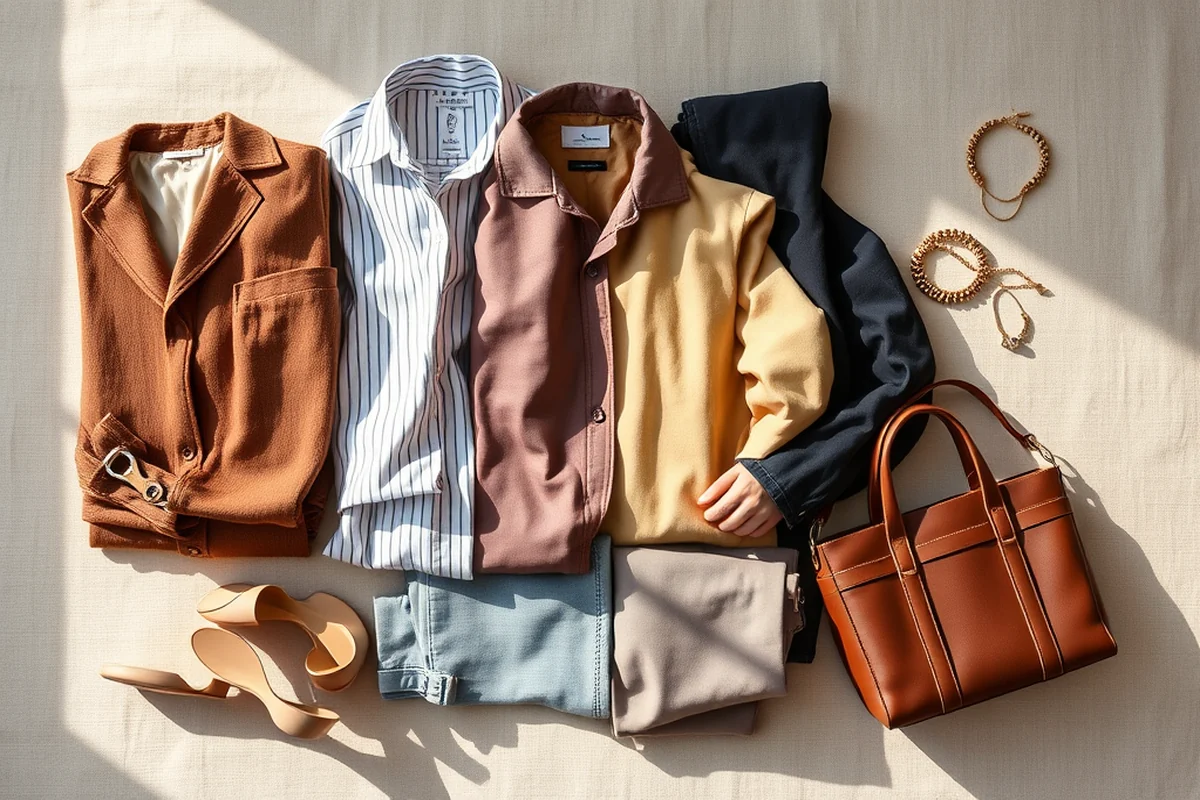
I’ve had my workwear tailored by a local tailor who’s used to working with tall clients. A $25 adjustment on a blazer can make it feel like it was made for me. The difference is subtle but noticeable — the sleeves no longer hang off, and the collar sits flat against my neck.[3]
Tailoring is an investment, but it’s worth it. I’ve found that even the most well-fitted 'tall' piece can be improved with a few inches of adjustment. A tailor can take in the waist, lengthen the inseam, or add a bit of structure to the shoulders.
I recommend looking for a tailor who has experience with tall clients or who works on bespoke pieces. They’re more likely to understand the nuances of fit. I’ve found that some tailors are hesitant to work with 'tall' pieces because they’re not used to them, which is why I always bring my own measurements with me.[4]
Related: Best tall workwear fit sizing guides
Compare Brands and Their Fit Quirks
I’ve tested over 20 brands of tall workwear. I’ve found that some brands make their 'tall' sizes by stretching the standard sizes, while others design their pieces from the ground up for tall clients. One brand I tested had a 'tall' size that was a full 6 inches longer in the torso but still kept the same sleeve length — a big difference in how the piece feels when worn.
I’ve found that some brands are better for formal wear, while others are more casual. For example, one brand is known for its tailored blazers but struggles with trousers, while another brand excels in trousers but has less structure in its blazers.
I’ve kept a list of brands that have a good track record with tall workwear, and I update it each time I test a new piece. This list helps me make quicker, more confident purchases without the risk of returning a piece that doesn’t fit.
💰 Budget-Friendly Tall Workwear
Find great fit for less with brands that offer 'tall' sizes at a lower price point, but still maintain quality and structure.
👔 Formal Tall Workwear
For those in corporate or formal settings, look for brands that offer tailored, structured 'tall' pieces that fit like they were made for you.
👕 Casual Tall Workwear
Tall casual workwear should be comfortable but still presentable — look for brands that balance stretch with structure.
👗 Petite and Tall Adaptation
Some brands offer both petite and tall sizes. These are designed to fit a range of body types, from shorter to taller.
👜 Capsule Wardrobe for Tall Workwear
Build a capsule wardrobe with 5-7 core pieces that can be mixed and matched for different outfits and occasions.
| The mistake | Why it happens | The fix |
|---|---|---|
| Assuming 'tall' sizes are just longer versions of standard sizes. | Many 'tall' sizes are not just stretched versions — they require different proportions and structure to fit well. | Always check the brand's sizing chart and compare with your own measurements. |
| Ignoring sleeve length and torso proportion. | A blazer that is too long in the torso but too short in the sleeves will still feel unbalanced. | Look for brands that offer both torso and sleeve length adjustments in their 'tall' sizes. |
| Not checking the fabric’s stretch and structure. | A 'tall' piece made of stretchy fabric might fit at first but will lose shape over time. | Choose pieces with structured fabric that maintains its shape and provides support. |
| Buying a piece without trying it on. | Even the best-fitted 'tall' pieces can feel off when worn due to differences in body proportions. | If possible, try on the piece before buying or look for detailed reviews with fit notes. |
Related: How to tall workwear guides
Tall Workwear Fit Sizing Guides Step By Step
Related: Tall workwear sizing for beginners
Common Questions
Can I return a piece if it doesn’t fit?
How do I know if a brand is actually tailored for tall clients?
Do 'tall' sizes run the same as regular sizes?
Is it worth it to tailor my workwear?
References
- ADOT Maintenance and Facilities BMP Manual (azdot.gov)
- Attire Guide - Duke Career Hub (careerhub.students.duke.edu)
- Confined Space Evaluation - Participant Guide (cdn.lanl.gov)
- Brand Guide | Clark College (clark.edu)
Cite this guide
Tallsuited (2026). Tall Workwear Fit Sizing Guides Step By Step. https://tallsuited.com/tall-workwear-fit-sizing-guides-step-by-step/
Feel free to cite or share this guide.