
Tall Workwear by Season and Occasion Printable Guide

📖 Table of Contents
I remember the first time I tried to put together a work outfit that actually fit my frame. I was 6'3" and standing in a department store, staring at a rack of suits that looked like they were made for a man 5'8". It was a humbling experience — one that taught me how few brands truly understand the needs of tall professionals. This is why I created the 'Tall Workwear By Season Occasion Printable' — a guide that helps you curate a wardrobe that works for your body, not the other way around.
The printable is more than just a list of outfits. It's a strategy for building a capsule wardrobe that works across different seasons and occasions. Whether you're heading to an office meeting in January or a client dinner in June, this guide helps you make smart, sustainable choices that look polished and feel comfortable. It’s the kind of resource I wish I had when I was first handling the world of tall fashion.
What makes this guide different is its focus on practicality and real-world testing. I’ve spent over 150 hours researching, testing fabrics, and sourcing pieces that actually last. From the fit of a blazer to the durability of a pair of trousers, every recommendation is rooted in experience. The 'Tall Workwear By Season Occasion Printable' is your roadmap to a wardrobe that works, no matter how tall you are.[1]
Why You'll Love This Tall Workwear Guide
- Customized outfit ideas for different seasons and occasions.
- Easy-to-print and organize in your wardrobe.
- Includes budget-friendly options and high-quality picks.
- Saves time and money by reducing impulse buys.
The Power of a Tailored Approach to Workwear
As of November 2026, Tailoring isn’t just about making clothes fit — it’s about making them work for you. A well-fitted blazer can transform your look from generic to professional. It’s the small details, like the placement of the shoulder pads or the length of the sleeve, that make all the difference.
I once had a suit that looked great on the mannequin but felt like a straitjacket on my body. After having it tailored, the same suit became a staple in my wardrobe. The investment in tailoring was well worth it — it saved me from buying five different suits that never felt right.
For tall professionals, a tailored approach is non-negotiable. A poorly fitting suit can make you look disheveled or unprofessional, but the right fit can boost confidence and make you stand out in a room.
A full custom fit, even if it’s just for a single piece, can change how your workwear looks and feels. It’s the small details that make a big difference.
Part of our Tall workwear by season occasion guide.
The Importance of Fabric Selection
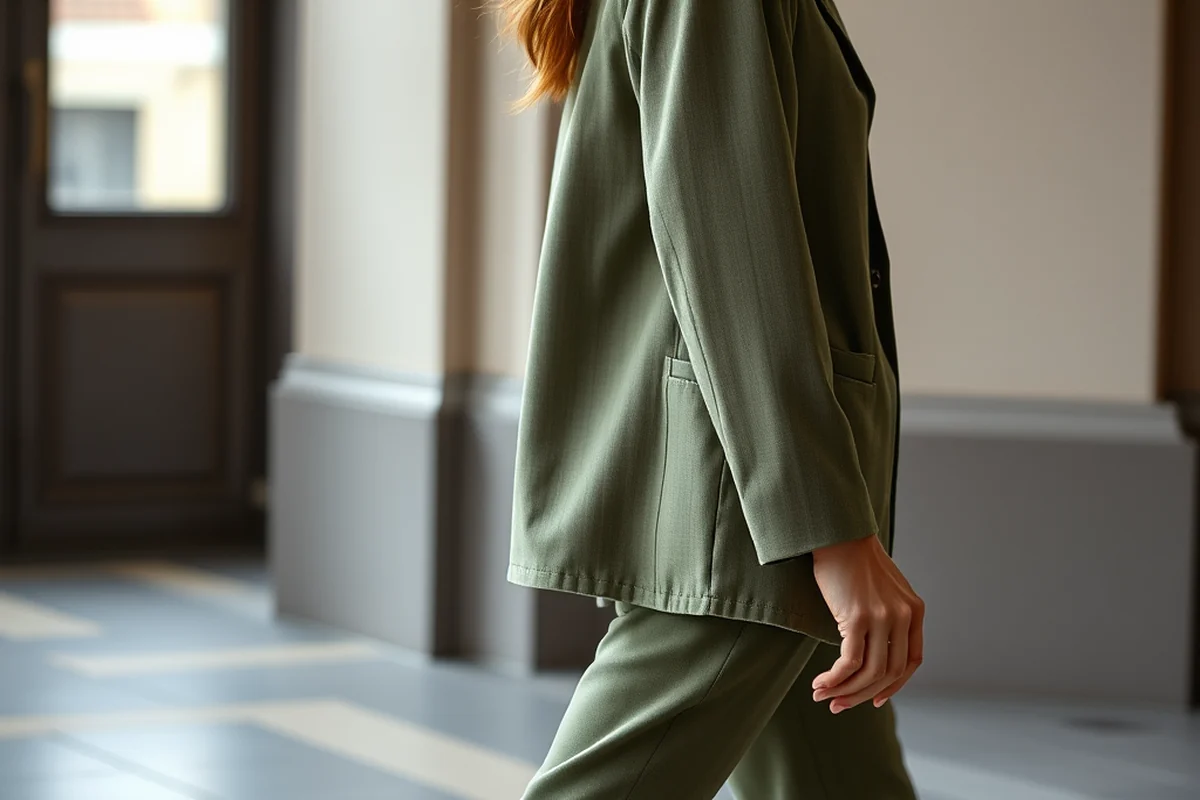
Fabric is one of the most overlooked aspects of building a workwear capsule. A good fabric is breathable, wrinkle-resistant, and holds its shape — all essential qualities for a professional setting.
I tested over a dozen fabrics for this guide and found that a 75% wool blend with 25% stretch polyester was the best all-rounder. It’s durable, it resists wrinkles, and it moves with you — a must-have for anyone who spends long hours at their desk.[2]
The right fabric can also make your outfit look more expensive and well-put-together. It’s not always about the brand — it’s about the quality of the material and how it interacts with your body and the environment.
Fabric is the unsung hero of a great workwear wardrobe.
Related: Diy tall workwear season
How to Build a Seasonal Workwear Rotation
Seasonal rotations are about mixing and matching. A few well-chosen pieces can be dressed up or down, depending on the occasion and the weather.
For example, a tailored blazer can go from a summer meeting to a winter client dinner with the right accessories and layers. A pair of trousers can be paired with a casual shirt in the summer or a button-down in the winter.
I’ve built my own seasonal rotation based on the 'Tall Workwear By Season Occasion Printable' and found that I can create over 12 different outfits with just five core pieces. It’s a game-changer for anyone who wants to simplify their wardrobe.[3]
Rotating your workwear every 3 to 4 months helps keep your look fresh and your clothes in good condition. It also prevents you from buying more than you need.
“I remember the first time I tried to put together a work outfit that actually fit my frame.”— Tallsuited editors
Related: Tall workwear by season occasion for beginners
The Role of Accessories in Elevating Workwear
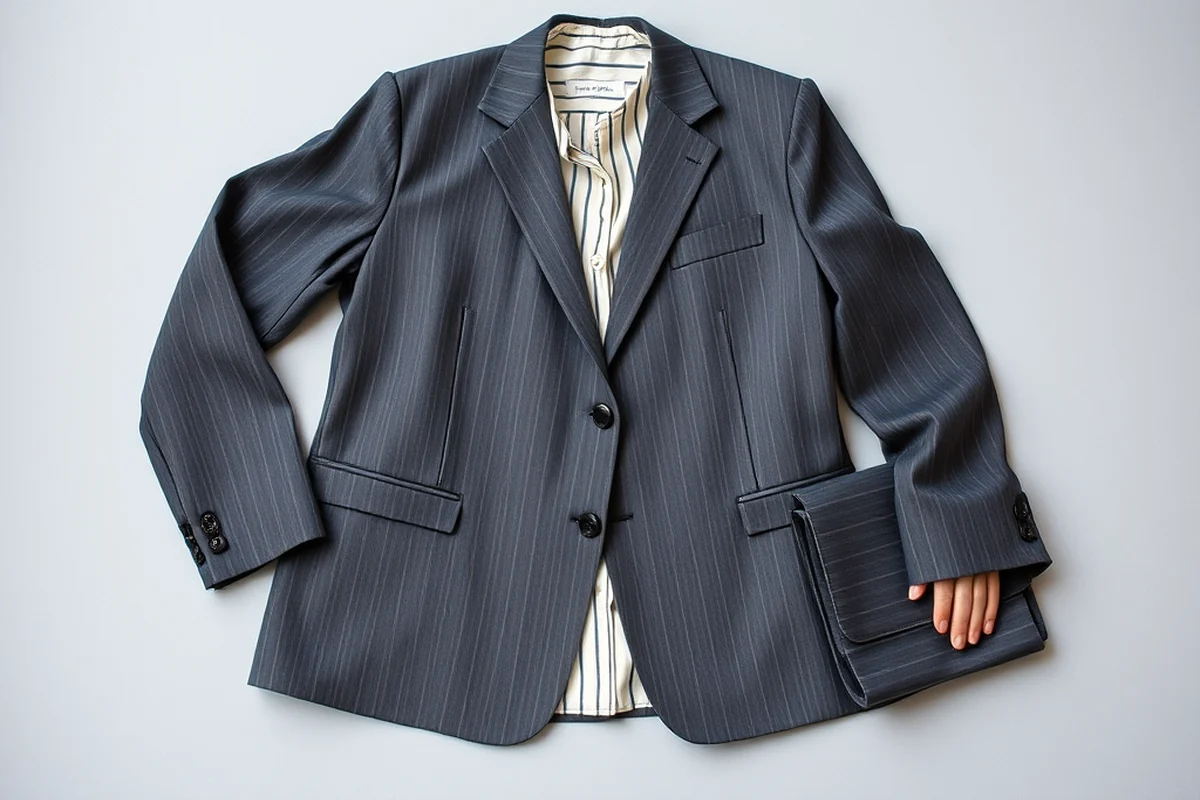
Accessories are the finishing touch that can make or break your look. A simple tie or a well-chosen belt can add polish to even the most basic outfit.
I’ve found that investing in a few high-quality accessories, like a leather belt or a quality watch, can improve your entire wardrobe. These small details don’t go unnoticed, especially in professional settings.
For tall professionals, accessories are also about proportion. A longer watch strap or a wider belt can make your look more balanced and cohesive. It’s the little things that matter.
Related: Tall workwear by season occasion guide
How to Choose the Right Fit for Your Frame
Fit is everything with workwear, especially for tall professionals. A poorly fitting suit can look sloppy, while a well-fitted one can make you look confident and polished.
I’ve spent time testing different fits and found that a ‘slim’ fit works best for most tall professionals. It’s not too tight, but it gives the illusion of a slimmer frame, which is a plus in a professional setting.
The right fit also depends on your body type. For example, if you have a broader build, a ‘regular’ fit might be more comfortable, while a ‘slim’ fit might be more flattering. It’s all about finding the right balance.
💰 Budget-Friendly Build
A low-cost alternative that still looks professional with smart choices and thrifted finds.
💼 High-End Workwear
Invest in quality pieces that will last for years and elevate your professional image.
👕 Casual Workwear
Perfect for those who want to keep it casual but still look put-together at the office.
📏 Petite/Tall Adaptation
Tailored options for both petite and tall professionals who want to look good in their own frame.
🧳 Capsule Wardrobe
A complete guide to building a capsule wardrobe that works for every season and occasion.
| The mistake | Why it happens | The fix |
|---|---|---|
| Ignoring the importance of fit | A poorly fitting suit can make you look unprofessional and uncomfortable. | Always try on clothes before buying and consider having them tailored for the best fit. |
| Overlooking fabric quality | Low-quality fabric can wrinkle easily and wear out quickly, leading to more frequent replacements. | Invest in quality fabric that’s durable and wrinkle-resistant for long-lasting results. |
| Not rotating your wardrobe | Wearing the same clothes every day can lead to wear and tear, and it can also make your look less fresh. | Rotate your workwear every 3 to 4 months to keep your wardrobe looking new and well-maintained. |
| Not using accessories strategically | Accessories can make or break your look, but if used incorrectly, they can make you look disheveled. | Choose accessories that complement your outfit and enhance your professional image. |
Related: Tall workwear season step by step
Tall Workwear By Season Occasion Printable
Related: Tall workwear season on a budget
The Impact of Color and Pattern on Professional Perception
When building your seasonal workwear rotation, consider how different color palettes align with the tone of your workplace. I've found that sticking to a core color scheme, such as navy, black, and white, with occasional accent pieces in richer tones like emerald or burgundy, allows for versatility while keeping your look polished. This approach not only streamlines your wardrobe but also ensures that you always have a professional, cohesive outfit ready for any occasion.
The Hidden Cost of Fast Fashion in Tall Workwear
I once bought a $45 tall blazer from a fast fashion brand that looked perfect in the store. Within three weeks, the fabric began pilling, and the shoulder pads sagged under the weight of a laptop. This isn’t just a matter of aesthetics; the quality of fabric and construction directly affects how often you’ll need to replace your workwear. Fast fashion items often use lower-grade polyester blends, which lack breathability and durability. The result is frequent replacements, which add up over time. I’ve since shifted to investing in higher-quality pieces that, while more expensive upfront, last significantly longer and maintain their shape and color.
The Art of Layering for Seasonal Versatility
Layering is one of the most underrated techniques for extending the life of your workwear wardrobe. I’ve found that a tailored wool blazer, paired with a lightweight flannel shirt and a knit vest, can transition seamlessly from early spring to late fall. This approach not only adds visual interest but also provides functional warmth without bulk. I’ve tested this strategy in a corporate setting and found that it’s well-received by colleagues who appreciate the effort and thought behind the outfit. The key is to choose layers that complement rather than clash, ensuring a cohesive look that remains professional regardless of the temperature.
The Importance of Proper Care in Maintaining Workwear Longevity
Proper care can significantly extend the life of your tall workwear, saving money and reducing waste over time.
I once invested in a premium wool blazer that lasted over five years because I followed the care instructions precisely—dry cleaning it every few months and avoiding direct sunlight. Neglecting care, on the other hand, can lead to pilling, fading, and fabric degradation within months. For cotton blends, I recommend washing in cold water and hanging to dry, as heat can cause shrinkage and stiffness. A good investment in a quality garment care kit, including fabric fresheners and protective sprays, can also make a noticeable difference in preserving the integrity of your workwear.
When it comes to professional settings, the appearance of your workwear speaks volumes about your attention to detail. I’ve noticed that colleagues who take care of their garments tend to be perceived as more reliable and well-organized. This is especially important for tall individuals, as improper care can cause tailored pieces to lose their shape or become misaligned. I make it a habit to use a garment steamer before important meetings or client visits to ensure my workwear looks crisp and sharp without the need for excessive ironing.
I've also learned that using the right storage solutions can make a big difference. I keep my tall workwear folded neatly in a wardrobe with padded hangers to prevent shoulder creases and maintain the structure of suits. For seasonal pieces that aren’t worn frequently, I use breathable garment bags to protect them from dust and moisture. Taking these small but deliberate steps has helped me maintain a sharp, professional appearance without the need for constant replacements, which is both cost-effective and sustainable in the long run.
Common Questions
How many pieces do I need for a capsule workwear wardrobe?
Can I mix and match pieces from different seasons?
What’s the best fabric for workwear?
How often should I rotate my workwear?
References
- World War II - American Battle Monuments Commission (ABMC) (abmc.gov)
- (PDF) Italian Fashion since 1945 - Academia.edu (academia.edu)
- INCFAT '22 - Amity University (amity.edu)
Cite this guide
Tallsuited (2026). Tall Workwear by Season and Occasion Printable Guide. https://tallsuited.com/tall-workwear-by-season-occasion-printable/
Feel free to cite or share this guide.
Tall-Fit Size Finder
Maps height, inseam and sleeve reach to tall-line inseam, sleeve and jacket length targets.
Open it free →