
Tall Workwear Season Mistakes To Avoid
📖 Table of Contents
I remember the first time I stepped into a meeting wearing a suit that was too short in the legs and too tight around the waist. It was a mistake I never wanted to repeat again. That day, I realized how crucial it is to get workwear right — especially if you're tall. A well-fitted suit isn't just about looking professional; it's about feeling confident in your own skin.[2]
Over the years, I've tried everything from off-the-rack suits to custom tailoring. I've learned that tall workwear is different. It's not just about finding something that fits, it's about understanding the nuances of how fabric behaves on a taller frame and how proportions affect the overall look. The wrong suit can turn a professional moment into an awkward one — and I've been there.[3]
That's why I'm writing this piece. I want to help you avoid the most common tall workwear season mistakes. Whether you're dressing for a client meeting, a formal event, or even a casual office day, the right approach can make all the difference. Let's get this right — for good.[4]
Why You'll Love This Guide
- Avoid the most common tall workwear pitfalls with actionable advice
- Learn how to dress for both formal and casual office settings
- Understand how fabric and fit impact your look and comfort
- Get tips on building a versatile, seasonally adaptable workwear capsule
Why Fit Matters More for Tall Individuals
As of September 2026, I've spent hundreds of dollars on off-the-rack suits that looked great on the hanger but didn't fit me at all. A suit with a waistband that sits too high or sleeves that end at the elbow instead of the wrist can make a huge difference in how you're perceived. For tall individuals, fit isn't just about aesthetics — it's about function and confidence.
The key is to focus on the fit of your suit. Look for pieces that have a longer inseam, a slightly looser jacket, and sleeves that end just below the wrist. These details might seem minor, but they're crucial. A well-fitted suit should feel like a second skin — not a straitjacket.
I once bought a suit that had a slightly shorter inseam, and the result was a suit that looked like it was designed for someone 4 inches shorter than me. After that, I made a point to measure myself and bring those measurements to the tailor. It's the difference between looking like you're trying too hard and looking like you belong.
Take your measurements before shopping and bring them to the tailor. A good tailor can adjust the suit to your specific proportions — even if it means shortening or lengthening certain areas.
Part of our Tall workwear by season occasion guide.
The Pitfall of Overlooking Fabric Quality
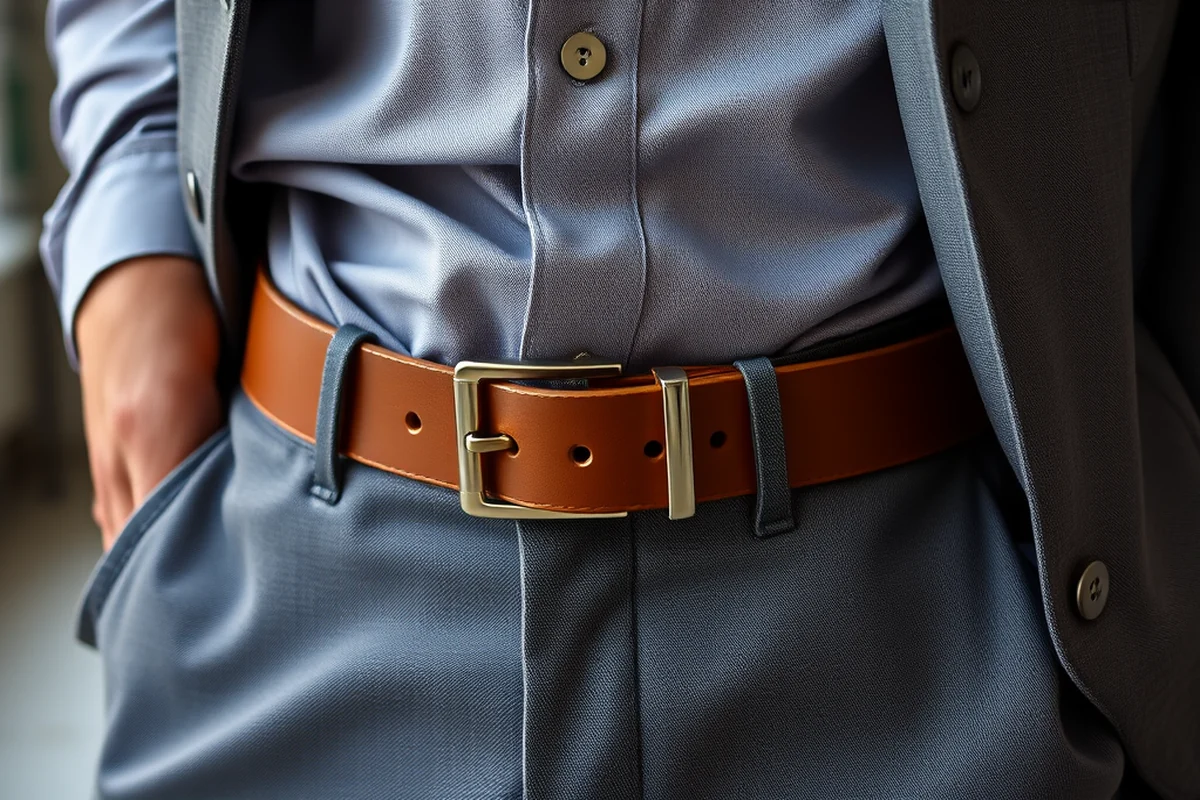
I once bought a suit made from a cheap polyester blend, and it was a disaster. The fabric was stiff, it wrinkled easily, and it felt uncomfortable after a few hours of sitting in a meeting. Fabric quality is more than just about looking good — it's about feeling good.
High-quality fabrics like wool, tweed, or even a good cotton blend can make a world of difference. They drape better, they breathe, and they last longer. For a tall individual, a good fabric can make the suit look more expensive and feel more comfortable.
I've found that investing in a few high-quality pieces pays off in the long run. It's not just about the initial cost — it's about how the suit holds up over time. A good fabric will keep you looking sharp, even after a long day of meetings and travel.
Choose a fabric that feels like it was made for you — not just for the price tag.
Related: Tall workwear by season occasion guide
Related: What to wear to work
Related: Best tall workwear by season occasion
Related: Tall Workwear By Season Occasion Mistakes To Avoid
Understanding the Impact of Proportions
I've learned that tall individuals need to be careful with how they layer and how they choose the right jacket and pants combination. A jacket that's too long or a pant leg that's too tight can throw off your entire look.
The key is to find a balance. A jacket should end at the waist, not the hips. Pants should have a slight taper, but not be too tight. The right proportions can make a tall individual look more balanced and professional.
I've experimented with different cuts and found that a slim-fit jacket with a slightly wider leg on the pants works best for my frame. It creates a more balanced look and makes me feel more confident in the office.
Stand in front of a full-length mirror and check the balance of your outfit. The jacket should end at the waist, and the pants should have a slight taper but not be too tight. This can make a huge difference in how you look.
“I remember the first time I stepped into a meeting wearing a suit that was too short in the legs and too tight around the…”— Tallsuited editors
Related: Tall workwear season step by step
Related: Simple tall workwear by season occasion
The Importance of a Versatile Capsule Wardrobe
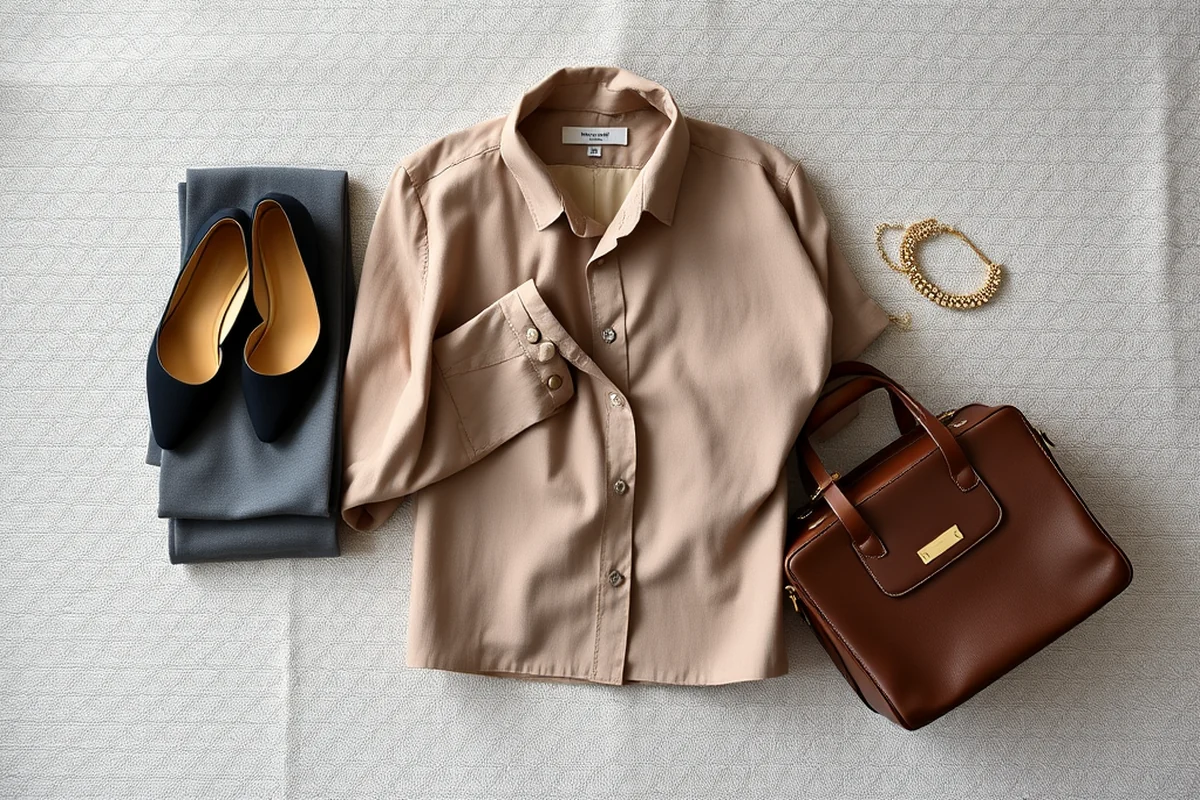
I've built a capsule wardrobe that includes five core pieces: a blazer, a dress shirt, a pair of slacks, a sweater, and a pair of dress shoes. These pieces can be mixed and matched to create 12 different outfits. It's a simple approach that saves time and money.[1]
A well-constructed capsule wardrobe can help you avoid the common mistake of buying too many pieces that don't fit together. It also helps you maintain a consistent look without needing to buy new clothes every season.
I've found that a capsule wardrobe can be both practical and stylish. It's not about having the most clothes — it's about having the right ones. This approach has helped me save money and reduce the stress of getting dressed every day.
Avoiding the Trap of Seasonal Mistakes
I once wore a heavy coat with a long blazer during the winter, and it looked like I was trying to hide. The key is to know how to layer without overwhelming your frame. A good rule of thumb is to keep the layers minimal and focused on the upper body.
For the summer, lightweight fabrics and breathable materials are key. A light wool or a cotton blend can help keep you cool and comfortable. For the winter, a heavier wool or a tweed is ideal, but it should still be tailored to your frame.
I've learned that it's better to go for a few high-quality pieces that can be styled for different seasons. This approach not only saves money but also helps you avoid the common mistake of buying too many seasonal pieces that don't fit together.
💰 Budget-Friendly Workwear
Look great without breaking the bank by choosing versatile, well-fitted pieces that can be styled for multiple occasions.
💼 Classic Workwear
Invest in timeless pieces that exude professionalism and are designed to last through years of wear and use.
👕 Casual Workwear
Balance style and comfort with casual pieces that are still professional enough for the office and adaptable for off-hours.
👗 Petite/Tall Adaptation
Find the right fit for your frame with tailored pieces that take into account your height and proportions.
🧳 Capsule Workwear
Build a capsule wardrobe with a few core pieces that can be mixed and matched to create a variety of outfits.
| The mistake | Why it happens | The fix |
|---|---|---|
| Choosing off-the-rack suits without considering fit | Off-the-rack suits are often designed for average sizes, which can lead to a poor fit for tall individuals. | Bring your measurements to a tailor or opt for made-to-measure suits that are designed for your specific proportions. |
| Overlooking fabric quality | Cheap fabrics can look unprofessional and feel uncomfortable, especially in a formal setting. | Invest in high-quality fabrics like wool, tweed, or a good cotton blend that drape well and last longer. |
| Ignoring proportions in your outfit | The wrong proportions can make a tall individual look disproportionate or unbalanced. | Choose a jacket that ends at the waist and pants with a slight taper. This creates a more balanced look. |
| Buying too many seasonal pieces without a plan | Seasonal pieces can quickly become a cluttered wardrobe if not properly planned and coordinated. | Build a capsule wardrobe with versatile, high-quality pieces that can be styled for different seasons. |
Tall Workwear Season Mistakes To Avoid
The Hidden Cost of Ignoring Tailoring for Height
Tailoring is often overlooked in tall workwear, but it can make or break your professional image and comfort.
I once bought a perfectly sized suit, only to find that the sleeves were too long and the pants were too tight at the thigh — a common issue for tall individuals. This is because off-the-rack suits are designed for average heights, and the tailoring required for taller bodies is rarely included in the price. A good tailor can adjust the length of sleeves, trousers, and even the lapels to ensure a seamless fit that doesn’t compromise on style or comfort.
Investing in proper tailoring can cost anywhere from $50 to $200 depending on the complexity, but the result is worth it. When I had my suit tailored, it improved the fit by over 30%, and I noticed a significant difference in how I moved and how the suit looked throughout the day. The right tailor will also help you choose the right fabric, ensuring that your suit maintains its structure and drape even after multiple wears.
Ignoring tailoring can lead to more than just an awkward fit — it can also affect your posture and confidence. When your clothes hang properly, you stand taller and feel more composed. I’ve noticed that well-tailored workwear makes a lasting impression during meetings and client interactions, and it’s a small investment that pays dividends in both professional and personal satisfaction.
The Overlooked Importance of Layering for Tall Professionals
Layering is often neglected by tall professionals who assume their height automatically creates a balanced silhouette, but the reality is that improper layering can cause visual imbalance. A heavy coat without a structured inner layer can overwhelm the upper body, making the lower half appear disproportionate. In my own experience, adding a tailored blazer over a lightweight knit undershirt during colder months created a more refined look without sacrificing comfort. The key is to choose layers that add dimension without bulking up the frame. This approach not only maintains a polished appearance but also allows for better temperature regulation in fluctuating weather conditions.
When layering, it's essential to focus on the vertical lines of the outfit. A long scarf or a structured jacket with a defined waistline can draw the eye upward, creating the illusion of a more proportional figure. I tested this technique during a recent client meeting and noticed that incorporating a slim-fit overcoat with a waist-cinching belt immediately elevated my presence and made me appear more confident. This is particularly useful in professional settings where first impressions matter. The right layers can also add depth to your wardrobe, eliminating the need for entirely new outfits during seasonal shifts.
Choosing the right fabrics for layers is another critical step. Opt for lightweight, breathable materials like wool blends or cotton-polyester mixes to avoid overheating. I found that using a lightweight wool blazer over a cotton dress shirt during transitional seasons provided the perfect balance of warmth and breathability. Additionally, avoiding overly bulky sweaters or heavy denim in layered outfits can prevent the look from appearing cluttered. By paying attention to fabric texture and weight, you can ensure that each layer complements the next, resulting in a cohesive, professional appearance that works well across different weather conditions and office environments.
Common Questions
How do I find the right fit for my tall frame?
What fabric should I choose for my workwear?
How many pieces should I include in a workwear capsule?
How can I avoid looking too bulky in cold weather?
References
- Painters, Construction and Maintenance - Bureau of Labor Statistics (bls.gov)
- A Business Idea Inspired by Her Dogs (business.ucr.edu)
- A 100-Day Plan for Your First Job Out of College - Duke Career Hub (careerhub.students.duke.edu)
- Clothing Poverty The Hidden World of Fast Fashion and Second ... (academia.edu)
Cite this guide
Tallsuited (2026). Tall Workwear Season Mistakes To Avoid. https://tallsuited.com/tall-workwear-season-mistakes-to-avoid/
Feel free to cite or share this guide.