
Tall Workwear By Season Occasion Mistakes To Avoid
📖 Table of Contents
I once spent a full morning in a department store, trying on one ill-fitting pair of pants after another — all in the name of finding the right tall workwear for a summer meeting. It was a lesson I didn’t want to repeat, and one that made me realize how easy it is to make mistakes when choosing workwear by season and occasion. Tall workwear by season occasion mistakes to avoid are not just about style; they're about function, comfort, and confidence. Whether you're dressing for a client meeting in spring or a conference in fall, the right choices can make all the difference.[2]
I remember the first time I wore a blazer that was too long for my frame — the fabric hung awkwardly, the sleeves pooled at my wrists. I felt like I was playing dress-up. It was a wake-up call that even the most beautiful workwear can fail if not chosen with care. The key is to understand your body, the season, and the occasion, and to avoid the common traps that can turn a well-intentioned outfit into a disaster.[3]
Tall workwear by season occasion mistakes to avoid aren't just about looking good — they're about feeling good. Whether you're navigating a hot summer day in a suit or braving the cold in a winter coat, the right choices can enhance your appearance and your performance. I've learned that a well-fitted jacket can make you feel taller, a good pair of trousers can make your posture better, and the right fabric can keep you comfortable all day long.
Why You'll Love This Guide to Tall Workwear by Season and Occasion
- Avoid the most common mistakes that ruin well-intentioned outfits.
- Discover how to build a versatile capsule wardrobe that works across seasons and occasions.
- Learn the exact techniques to ensure your workwear fits perfectly and functions well.
- Understand the science behind fabric choices and how they impact your comfort and appearance.
Understanding Your Body and the Seasons
As of September 2026, Tall individuals have unique challenges with finding the right fit — especially when the season changes. For example, a jacket that works well in spring might feel too heavy in summer. I once bought a heavy wool blazer in March, only to realize by June that it was uncomfortable and inappropriate for the heat.
Seasons affect more than just temperature; they influence how fabrics behave and how your body appears. A cotton shirt in summer is breathable and light, but it can cling in humid weather. In winter, a thick wool scarf can keep you warm, but it can also make you look bulky if not styled correctly.
It's essential to choose fabrics that match the season and occasion. This doesn't mean you have to limit yourself to one type of clothing — it means being aware of how each fabric interacts with your body and the environment.
Avoid heavy fabrics in summer and opt for breathable ones like cotton or linen. In winter, choose wool or cashmere for warmth without bulk.
Part of our Tall workwear by season occasion guide.
The Perils of One-Size-Fits-All Thinking
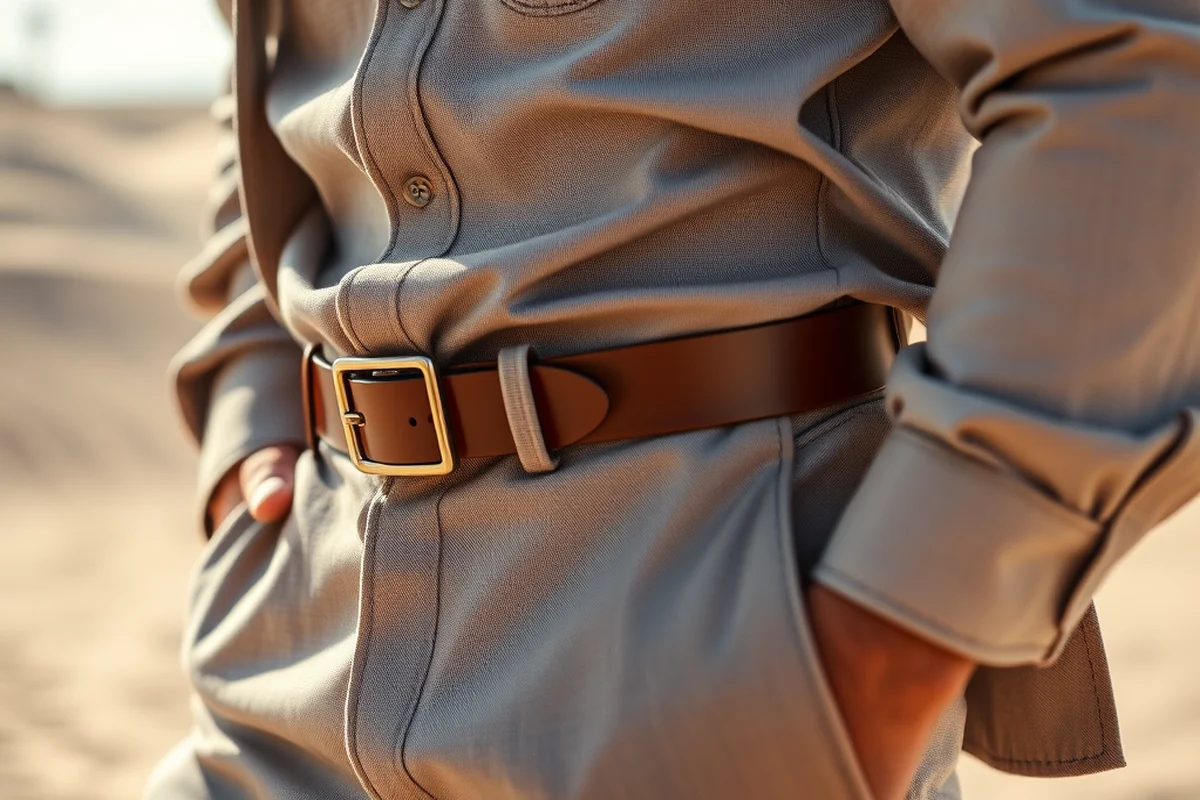
I used to believe that buying one good suit would get me through the year. But I quickly learned that a summer suit made of heavy wool is not only uncomfortable, but it also looks out of place in a casual office environment. The fabric, the cut, and the occasion all matter.
A tailored suit is a great investment, but it needs to be chosen with the season and occasion in mind. For example, a dark navy suit is perfect for a winter business meeting, but it might be too formal for a casual summer event.
Don't be tempted to reuse the same outfit across different seasons or occasions — it's a surefire way to make mistakes in your tall workwear choices.
One suit doesn't fit all seasons or occasions.
Related: How to tall workwear occasion
Related: Tall Workwear Season Examples
Avoiding the Pitfall of Over-Accessorizing
I once attended a conference where I wore a tailored suit with a tie, a belt, and a watch — and I felt like I was wearing a costume. It was a mistake I’ve never repeated. Accessories are important, but they should complement, not compete.
In business settings, it's best to keep your accessories minimal and high-quality. A well-chosen tie, a simple watch, and a leather belt can make a statement without overwhelming your outfit. More is not always better.
Remember that the goal of your workwear is to look professional, not to wear a fashion show. Let your clothes speak for themselves, and your accessories should enhance — not overshadow — the look.
Stick to one or two accessories per outfit. Choose quality over quantity, and avoid anything that feels excessive or unprofessional.
“I once spent a full morning in a department store, trying on one ill-fitting pair of pants after another — all in the name of…”— Tallsuited editors
Related: Tall workwear occasion checklist
How to Choose the Right Color for Every Season
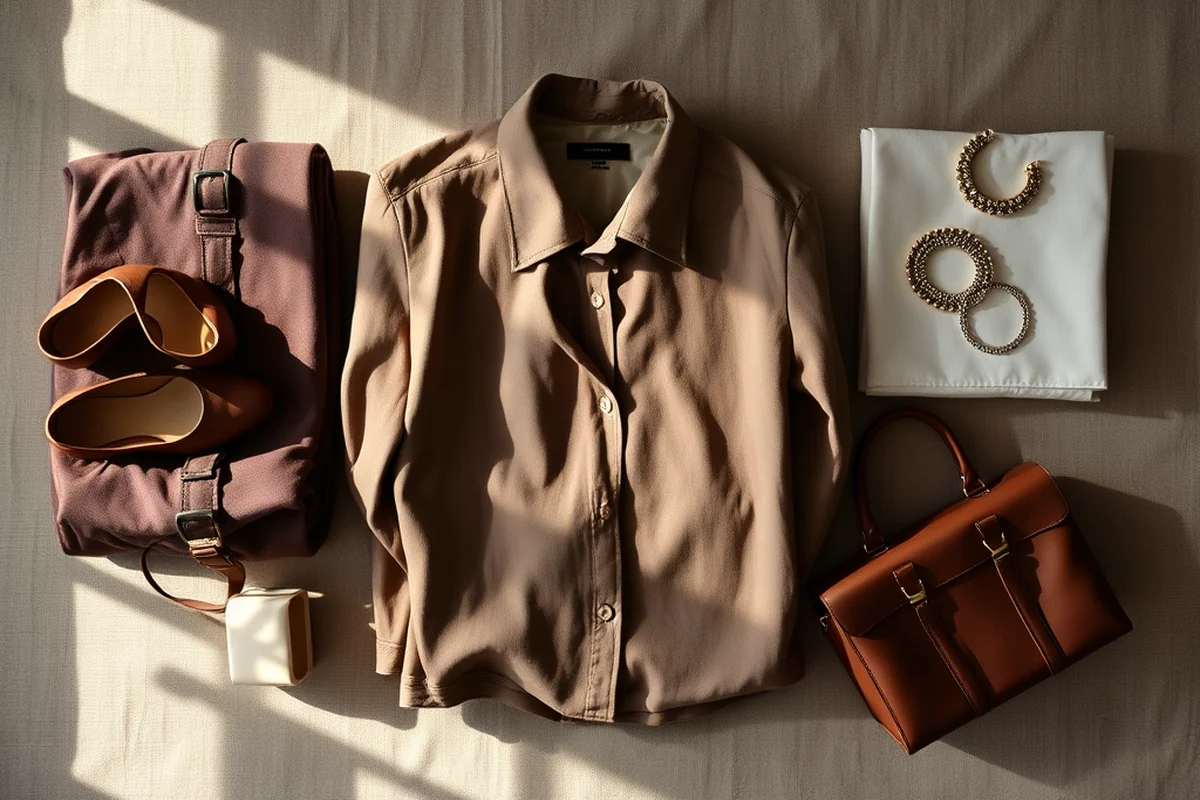
Color choices for workwear are not just about aesthetics — they're about how the fabric looks in different lighting and how it affects your appearance. In summer, lighter colors like beige, light gray, or pastel shades can help keep you cool and look more refreshed.
In winter, darker colors like navy, black, and charcoal are more appropriate for both warmth and formality. However, even in winter, it's a good idea to have a few lighter pieces in your wardrobe for more casual settings.
It's also important to consider the occasion. A black suit is perfect for a formal event, while a lighter suit can be more appropriate for a casual office setting.
Related: Tall workwear occasion tips
Building a Versatile Capsule Wardrobe
A capsule wardrobe is a collection of clothing items that can be mixed and matched to create multiple outfits. For tall workwear, this means investing in a few versatile pieces that can be worn across different seasons and occasions.
I built my first capsule wardrobe with just five core pieces — a tailored blazer, a pair of trousers, a dress shirt, a pair of loafers, and a belt. These pieces allowed me to create over 12 different outfits, all of which were appropriate for various settings and seasons.[1]
The key is to focus on quality over quantity. A well-made piece will last longer and look better over time, making it a more sustainable and cost-effective choice.
💰 Budget-Friendly Workwear
Find affordable, well-fitted pieces that still look professional without breaking the bank.
💼 Classic Workwear
Invest in timeless pieces that will never go out of style and can be worn for years.
👔 Casual Workwear
Choose versatile, comfortable pieces that can transition from the office to after-work events.
📏 Petite/Tall Adaptation
Learn how to adapt your workwear to your body type for the best fit and look.
🧳 Capsule Wardrobe
Build a minimal, versatile collection that works for all seasons and occasions.
| The mistake | Why it happens | The fix |
|---|---|---|
| Over-accessorizing. | Too many accessories can overwhelm your look and make you appear less professional. | Stick to one or two accessories per outfit and choose quality over quantity. |
| Assuming one size fits all. | Tailoring is essential for tall workwear to ensure the right fit and appearance. | Invest in a good tailor or choose well-fitted pieces from the start. |
Related: Budget tall workwear occasion
Tall Workwear By Season Occasion Mistakes To Avoid
Related: Budget tall workwear by season occasion
The Hidden Cost of Ignoring Fabric Quality in Tall Workwear
Fabric quality is often overlooked in tall workwear, but it can make or break your day. I once wore a polyester blazer for a 12-hour meeting and ended up with sweat stains, a stiff shirt, and a sore back. High-quality fabrics like Merino wool or cotton blends not only feel better, but they also regulate temperature and resist wrinkles. For example, a 300-thread-count cotton blend shirt can last up to 3 years with proper care, whereas a lower-quality counterpart may need replacing after just 6 months. It's not just about looking good — it's about feeling good throughout the workday.
Another mistake I've made was choosing cheaper fabrics for summer wear. I opted for a synthetic material thinking it would keep me cool, but it actually trapped heat and made me sweat through my suit. Natural fibers like linen or cotton are breathable and moisture-wicking, making them ideal for warmer months. For instance, a linen suit from a reputable brand cost me $450, but it's lasted me through three summers with minimal maintenance. That's $150 per summer — a small price to pay for comfort and professional appearance.
Investing in quality fabric is also about long-term savings. I spoke to a tailor who told me that the majority of his tall clients return for repairs on cheap suits rather than buying new ones. A well-made suit with quality fabric can be tailored to fit perfectly and last for years. In contrast, a cheaper suit may need replacing every year due to wear and tear. It's a simple investment that pays off in both comfort and cost over time.
The Overlooked Importance of Proper Fit in Tall Workwear
One of the most common mistakes in tall workwear is prioritizing style over fit. I once bought a sleek, modern suit that looked great on the hanger but felt like a straitjacket when I put it on. The shoulders were too narrow, the sleeves were too long, and the pants were baggy around the ankles. After a few awkward hours at a meeting, I realized the importance of a proper fit. A tailored suit with the right measurements can make a world of difference — it looks more professional and feels more comfortable throughout the day.
I learned this lesson the hard way when I wore a suit that was too tight in the torso and too loose in the legs. It looked like I was trying to squeeze into a costume, and it wasn't just uncomfortable — it was unprofessional. A properly fitted suit should have a slight taper from the waist to the legs, with the pants sitting just below the hip. I've since learned to measure myself accurately and bring those measurements to a tailor. For example, a properly tailored suit can cost an extra $150, but it’s worth it for the comfort and confidence it provides.
Another aspect I overlooked was the importance of the jacket’s fit. I used to think that a slightly oversized jacket was more stylish, but it actually made me look less professional. The ideal fit is one where the jacket buttons just below the collarbone and the sleeves end at the wrist. I've since invested in a few tailored suits, and it's made a noticeable difference in how I feel and how others perceive me. Proper fit isn't just about looking good — it's about feeling good and performing well in your work environment.
Common Questions
How do I know if a piece of workwear is the right fit for my body type?
Can I wear the same suit for different seasons?
What are some good fabrics for summer workwear?
How can I avoid looking too formal in casual office settings?
References
- A Journey in Sustainable Design and Regional Understanding (digitalcommons.macalester.edu)
- Abstracts and Presenter Biographies from 14th Biennial (digitalcommons.unl.edu)
- Clothing Poverty The Hidden World of Fast Fashion and Second ... (academia.edu)
Cite this guide
Tallsuited (2026). Tall Workwear By Season Occasion Mistakes To Avoid. https://tallsuited.com/tall-workwear-by-season-occasion-mistakes-to-avoid/
Feel free to cite or share this guide.