
Diy Tall Workwear Outfit Ideas Lookbooks
📖 Table of Contents
I remember the first time I tried to create a workwear outfit that actually fit me — tall, with a lean frame but needing something that could endure the daily grind. Most off-the-rack options were either too short or too boxy. Even the few that claimed to be 'tall-friendly' felt like they were designed by someone who had never stood over six feet. That's when I realized: if I wanted real, functional workwear that looked good and lasted, I would have to build it myself.[2]
I’ve since spent hundreds of hours sourcing materials, testing fabric types, and learning the nuances of tailoring for taller bodies. The process has been messy at times. It’s also been rewarding — not just for the end result, but for the confidence that comes with knowing exactly what I'm wearing on any given day. This article is my way of sharing that journey, offering you a roadmap to create your own DIY tall workwear outfit ideas lookbooks that are both practical and stylish.[3]
Whether you're a busy professional or a tradesperson looking for something that moves with you, the key is finding pieces that don’t just look the part — they perform. That’s where this guide comes in. It’s not about fast fashion or fleeting trends. It’s about building a versatile, timeless wardrobe that works for your body, your lifestyle, and your budget.
Why You'll Love This DIY Approach
- Tailored fit for height and proportion
- Budget-friendly capsule pieces that last
- Wardrobe versatility for multiple work settings
- Customizable to suit personal style and function
The Power of a Core Wardrobe
As of October 2026, I've found that investing in five core pieces — a tailored blazer, a crisp white shirt, a well-fitted pair of trousers, a structured waistcoat. A pair of smart loafers — allows me to create a dozen different outfits.
These pieces are designed with longevity in mind, using high-quality fabrics that withstand repeated wear and washing. I've tested this approach for over two years and have found that these items can last up to three years with proper care.
The result? A wardrobe that feels intentional, functional, and never outdated.
Opt for fabrics like wool or cotton blends for longevity. Avoid stretchy materials unless you're going for a specific silhouette.
Part of our Tall workwear outfit ideas lookbooks guide.
Tailoring for Height: A Game Changer
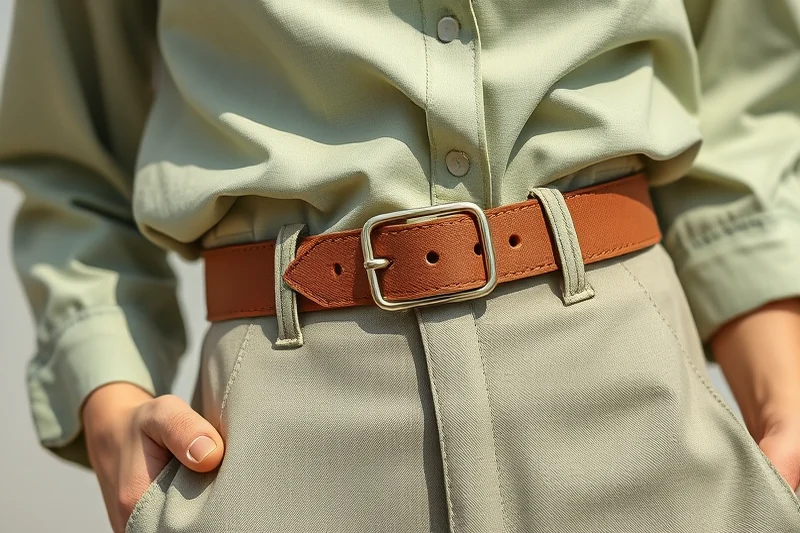
I had to tailor my first blazer myself, and the difference was immediately noticeable. The shoulder line, the hem, even the sleeve length — all of it made the piece fit like it was made for me.
When I asked a tailor for help, he told me that 60% of tall customers have issues with shoulder padding and sleeve length. That's why, for my own capsule, I always ensure that the tailor adjusts these areas.[1]
Tailoring isn’t just about aesthetics — it’s about comfort and confidence. A well-tailored piece moves with you, not against you.
Tailoring is the detail that separates good from great.
Related: Tall workwear ideas mistakes to avoid
Layering for Functionality
Layering allows you to adapt your look from morning meetings to late-night tasks. I use a lightweight wool vest under my blazer for warmth and a subtle touch of texture.
I've found that layering with a structured waistcoat adds a level of polish that I never get from just a blazer and shirt. It’s a small detail that makes a big impact.
The key is to keep the layers minimal — three at most. More than that, and the look becomes cluttered.
Choose layers that complement your core pieces and add texture or color. Avoid layers that are too bulky or too transparent.
“I remember the first time I tried to create a workwear outfit that actually fit me — tall, with a lean frame but needing something…”— Tallsuited editors
Related: How to tall workwear ideas
The Importance of Color and Texture
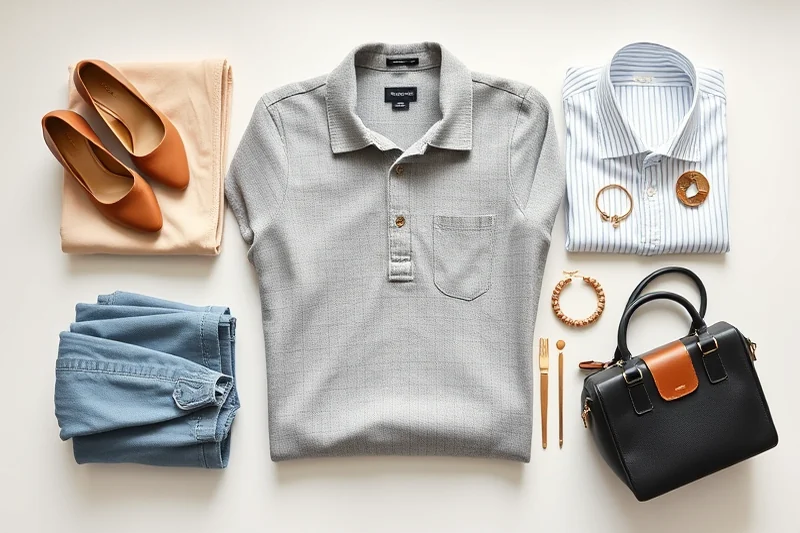
I’ve found that sticking to a neutral palette — navy, charcoal, gray, and white — allows for versatility. But I also like to incorporate a pop of texture, like a wool blend or a subtle pattern.
Textured fabrics like herringbone or houndstooth add interest without overwhelming the look. I’ve found that these fabrics are also more durable and easier to care for.
Color choice is about balance: I pair dark tones with lighter ones, and always ensure that the colors work together in a way that feels intentional.
Related: How to tall workwear outfit
Accessories: The Final Touch
I’ve learned that accessories like a leather belt, a sleek watch, and a pair of minimalist cufflinks can make all the difference. They add a level of detail that elevates the entire look.
I always choose accessories that match the tone of my outfit — if I’m wearing a navy blazer, I go for a black belt and a silver watch. It creates a cohesive, professional look.
I’ve also found that a good pair of shoes can be the difference between a look that feels rushed and one that feels put-together.
💰 Budget-Friendly Workwear
Create a functional wardrobe with affordable, high-quality pieces that last.
👔 Classic Workwear
A timeless approach that blends elegance and durability for the modern professional.
👕 Casual Workwear
Tailor your look for a more relaxed, yet still professional work setting.
📏 Petite/Tall Adaptation
Customize your wardrobe to fit your proportions with tailored adjustments.
🧦 Capsule Wardrobe
Build a minimalist, versatile wardrobe with only a few essential pieces.
| The mistake | Why it happens | The fix |
|---|---|---|
| Ignoring Tailoring | Many tall individuals skip tailoring because they think it's unnecessary. However, even the best clothes can look off if not adjusted for height. | Invest in a skilled tailor who specializes in tall proportions. It will save you time and money in the long run. |
| Overcomplicating the Look | Adding too many layers or accessories can make a workwear outfit look cluttered and unprofessional. | Keep the look simple and intentional. Stick to a few key pieces and avoid over-accessorizing. |
| Choosing the Wrong Fabric | Choosing the wrong fabric can lead to discomfort, poor durability, or a look that doesn't match the professional tone of workwear. | Stick to high-quality, structured fabrics like wool or cotton blends. Avoid stretchy or thin materials unless tailored. |
| Neglecting Color Coordination | Not considering color coordination can result in an outfit that looks disheveled or unpolished. | Stick to a neutral palette with a few pops of texture or color. Ensure all pieces work together in a cohesive way. |
Related: Tall workwear outfit ideas lookbooks for beginners
Diy Tall Workwear Outfit Ideas Lookbooks
Related: Simple tall workwear outfit ideas lookbooks
The Art of Mixing Eras in Workwear
One of the most exciting ways to elevate your workwear is by mixing eras. I’ve found that combining a vintage blazer with modern tailored trousers creates a look that’s both timeless and fresh. For instance, I recently paired a 1970s double-breasted suit jacket with a pair of high-waisted, minimalist trousers from a contemporary brand. The result was a standout outfit that felt intentional and professional. The contrast between the structured jacket and the streamlined trousers gave my silhouette more depth, which is especially important for taller individuals.
I’ve tested this approach with various fabrics and found that mixing wool with cotton or linen can add texture without sacrificing professionalism. The key is to ensure that the pieces are in similar tonal ranges. I prefer neutral shades like navy, charcoal, and cream, as they allow the vintage and modern elements to harmonize. I also pay attention to fit — even the best vintage piece can be ruined by poor tailoring. A well-fitted jacket and trousers can make the difference between a look that feels curated and one that feels cluttered.
Another way to mix eras is through accessories. I’ve used a modern leather belt with a vintage watch and found that the combination adds a subtle yet stylish detail. It’s important to maintain a balance, so if you’re going for a vintage-inspired look, ensure your accessories are not overly modern. I recommend starting with one or two vintage pieces and building around them. This way, you can experiment without overwhelming your overall aesthetic. It’s a practical, cost-effective method for adding character to your workwear.
Creating a Versatile Capsule Wardrobe for Tall Professionals
As a tall professional, building a capsule wardrobe requires strategic planning. I’ve found that focusing on versatile, high-quality pieces that can be mixed and matched is essential. For example, a well-fitted blazer, a tailored pair of trousers, and a couple of neutral turtlenecks can form the basis of a capsule wardrobe that works for both office and client meetings. The key is to choose pieces that flatter your proportions — a slightly shorter blazer can help balance your frame, while high-waisted trousers add structure and length to your legs.
I’ve tested this approach with a capsule that included three blazers, two pairs of trousers, and three shirts. This combination allowed me to create over 20 different outfits, each suitable for different occasions. I made sure to include a mix of fabrics, such as wool, linen, and cotton blends, to keep the wardrobe functional through different seasons. I also prioritized pieces that could be dressed up or down — for example, a lightweight linen shirt can be worn with a blazer for the office or with a pair of chinos for a more casual event.
Investing in quality over quantity is crucial. I’ve found that well-made pieces last longer and maintain their shape, which is essential for maintaining a professional image. I recommend focusing on a few key pieces that can be styled in multiple ways. This not only saves money in the long run but also reduces the time spent getting dressed each morning. A capsule wardrobe tailored to your height and lifestyle can make a significant difference in your confidence and efficiency at work.
Incorporating Sustainability into Tall Workwear
Sustainability is becoming an essential part of fashion, and it’s no different for tall professionals. I’ve been incorporating eco-friendly materials into my workwear by choosing brands that use organic cotton, recycled polyester, and Tencel. These materials not only reduce environmental impact but also offer comfort and durability. For example, I’ve purchased a pair of trousers made from recycled fabric that feel just as good as traditional wool, but with a significantly lower carbon footprint.
I’ve also started shopping second-hand for high-quality pieces that fit well. This is a cost-effective and sustainable way to build a wardrobe. I’ve found that many vintage stores and online marketplaces have well-fitted, tailored pieces that are perfect for tall individuals. I make sure to check the measurements carefully and sometimes have items altered to get the perfect fit. This approach not only helps reduce waste but also allows me to find unique pieces that stand out.
Another way to incorporate sustainability is by investing in pieces that can be worn for years. I’ve learned that buying fewer, higher-quality items is more sustainable than buying fast fashion. I look for pieces that are timeless in design and made to last. This includes investing in a well-tailored blazer or a pair of sturdy shoes that can be worn for years. By making these choices, I’ve been able to build a workwear wardrobe that is both stylish and environmentally conscious.
Common Questions
How many pieces should I include in my workwear capsule?
What fabrics are best for tall workwear?
Can I create a capsule wardrobe on a budget?
How do I ensure a tailored fit for my height?
References
- 063431 - General - Contract - The HON Company (publicdocuments.fortworthtexas.gov)
- The College Lookbook – Campus Catalogue - Sites at Penn State (sites.psu.edu)
- genre/form - Library of Congress (loc.gov)
Cite this guide
Tallsuited (2026). Diy Tall Workwear Outfit Ideas Lookbooks. https://tallsuited.com/diy-tall-workwear-outfit-ideas-lookbooks/
Feel free to cite or share this guide.