
Diy Big And Tall Workwear Brands

📖 Table of Contents
The first time I tried on a pair of DIY big and tall workwear, I was struck by the same feeling that many of us in the big and tall community experience: a quiet frustration with the narrow, oftentimes ill-fitting options in the market. I had spent years buying clothes that didn’t quite fit right, from stiff shirts that gaped at the seams to pants that pooled at the ankles. I finally decided to take matters into my own hands and start creating my own big and tall workwear. The result? A custom fit, unmatched comfort, and a renewed sense of pride in what I wore every day.[3]
DIY big and tall workwear brands are not just a trend—they’re a movement. As someone who has always leaned into practical solutions over convenience, I found that building my own workwear gave me the freedom to tailor everything to my specific needs. Whether it was the length of the sleeves, the reinforcement of the seams, or the durability of the fabric, I could finally design clothes that truly worked for me. This process wasn’t just about fashion; it was about taking control of my own comfort and confidence.[4]
What started as a personal project quickly turned into a passion. I began experimenting with different fabrics, techniques, and patterns, all while keeping in mind the unique challenges of big and tall workwear. It wasn’t easy—there were plenty of missteps and adjustments—but the end result was something that felt like it was made just for me. And now, I want to share that experience with others who are looking for a more personal, more sustainable, and more empowering way to build their own wardrobe.
Why You'll Love This DIY Big And Tall Workwear Brands Experience
- Custom fit that actually works for your body type and work style.
- Cost-effective in the long run, with reusable materials and quality craftsmanship.
- A sustainable approach to fashion that reduces waste and supports personal expression.
- A sense of accomplishment and ownership over what you wear every day.
Why DIY Big And Tall Workwear Brands Matter
As of October 2026, the fashion industry is built around standard sizes, which often leave people who are big and tall underserved. When I started making my own workwear, I realized that the problem wasn’t just about fit—it was about the lack of options. Many stores either don’t carry big and tall sizes, or if they do, the quality is lacking.
By creating my own workwear, I was able to use fabrics that are more durable and suited for the rigors of a workday. I found that high-quality denim and canvas, for example, hold up much better than the cheaper materials found in most big and tall clothes.
Another benefit of DIY workwear is that it allows for customization. I could adjust the waistband, the length of the pant legs, and even the placement of the pockets to make them more functional. This level of control is impossible when buying off the rack.
When selecting fabric for big and tall workwear, look for materials that are both durable and comfortable. I prefer using 100% cotton canvas or heavy-weight denim because they hold up well and are breathable.[1]
Part of our Tall workwear guide.
Getting Started with DIY Big And Tall Workwear Brands
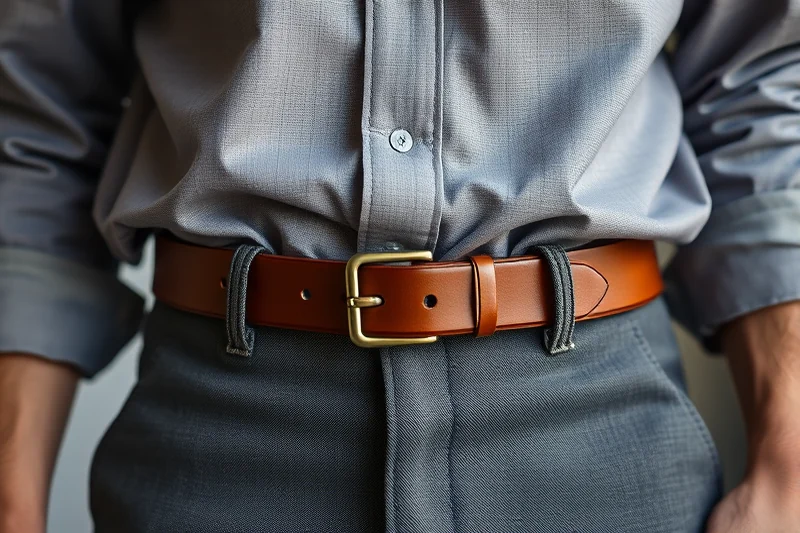
The first thing I did was invest in a few basic sewing tools: a good pair of scissors, a seam ripper, a seam gauge, and a rotary cutter. These tools made the difference between a rushed project and a well-crafted piece of clothing.
I also bought a few yards of fabric—enough to make a basic pair of pants and a shirt. I made sure to pick a fabric that was thick enough to withstand daily wear but still comfortable against the skin.
I recommend starting with simple patterns and gradually working your way up to more complex designs. The more you practice, the more confident you’ll become in your ability to create custom workwear.[2]
Starting with a simple project can lead to big changes in your wardrobe.
Related: Budget tall workwear
The Benefits of Custom-Fit Workwear
One of the biggest benefits of making your own big and tall workwear is the fit. I found that even the best store-bought pants would still have some issues, like a waistband that was too tight or a seat that was too short. With DIY, these issues can be avoided entirely.
Custom workwear also allows for personalization. I added extra pockets to the sides of my pants for tools, and I reinforced the knees with extra layers of fabric to make them more durable. These small details made a huge difference in how the clothes performed throughout the day.
Another benefit is the ability to control the cost. While buying off the rack can be expensive, especially for quality pieces, making your own workwear allows you to choose your materials and avoid unnecessary markups.
Before cutting your fabric, take precise measurements of your body and compare them to the pattern. I once made a pair of pants that were too short because I didn’t measure carefully—this is a lesson I still remember.
“The first time I tried on a pair of DIY big and tall workwear, I was struck by the same feeling that many of us…”— Tallsuited editors
Related: Budget big and tall mens workwear
The Environmental Impact of DIY Workwear
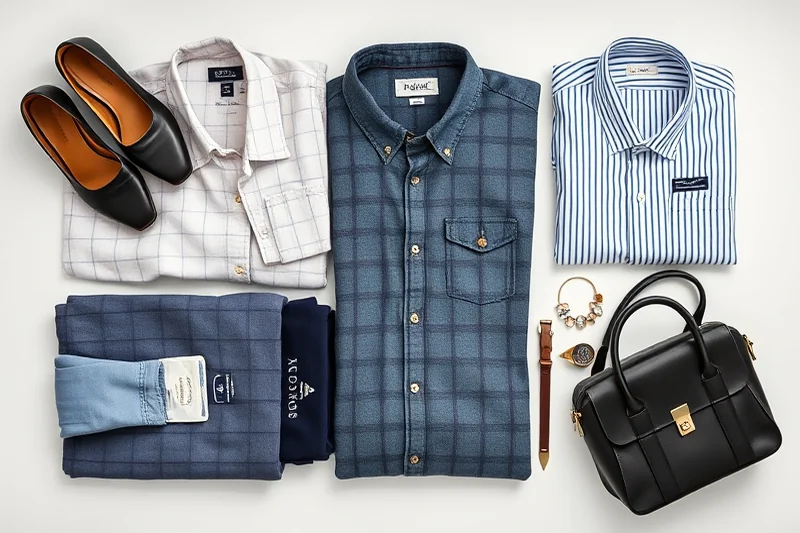
The fashion industry is one of the largest contributors to global waste, and a lot of that comes from clothes that are bought and discarded quickly. By making my own workwear, I was able to reduce my carbon footprint and ensure that I only owned clothes that I truly needed.
I found that using second-hand fabric or repurposing old clothes was an excellent way to reduce waste. I even started a small project where I made workwear from leftover fabric scraps, which was both fun and eco-friendly.
In addition to reducing waste, DIY workwear allows for more responsible consumption. I now only buy fabric when I need it, which means I’m not contributing to overproduction in the industry.
Related: Cheap tall workwear for beginners
Building a Community Around DIY Workwear
I was surprised by how many people were interested in making their own workwear once I started sharing my process online. I started a small group where people could exchange tips, patterns, and even materials. It was a great way to learn and stay motivated.
We also started hosting small sewing workshops where we could work on projects together. The camaraderie and support were incredible, and I found that collaborating with others helped me improve my skills much faster.
Building a community around DIY workwear has also given me a platform to share my story and inspire others to take control of their own fashion choices. It’s been a rewarding experience that has made the process even more enjoyable.
⭐ Classic
A timeless approach using traditional fabrics and patterns, perfect for those who prefer a straightforward, no-fuss method.
💰 Budget
An economical version using affordable fabric and simplifying the design to minimize material and time costs.
⚡ Extra-Fast
A streamlined approach that gets you from start to finish quickly with pre-cut materials and simplified steps.
✨ Depth
A more detailed and complex approach that focuses on layering, texture, and advanced techniques for a professional finish.
🥗 Light
A lighter, more breathable version ideal for warmer climates, using cotton or linen-based fabrics and simplified designs.
| The mistake | Why it happens | The fix |
|---|---|---|
| Not measuring properly before cutting fabric. | This is one of the most common mistakes when making DIY workwear. If your measurements are off, the final product may not fit properly and may require multiple adjustments. | Take precise measurements of your body and compare them to the pattern instructions. Always double-check your measurements before cutting the fabric. |
| Using fabric that is too thin or too thick. | Using the wrong type of fabric can lead to a finished product that is either too fragile or too stiff, depending on the material. | Choose a fabric that is appropriate for the project. For workwear, I recommend using durable materials like 100% cotton canvas or heavy-weight denim. |
| Skipping the reinforcement of key seams and pockets. | Without proper reinforcement, the seams and pockets may wear out quickly, especially in high-traffic areas like the knees and hips. | Reinforce seams and pockets with extra layers of fabric or use a heavy-duty thread to ensure the workwear lasts longer. |
| Not pressing the seams flat after sewing. | Failing to press the seams flat can result in a wrinkled or uneven finish, which can affect the overall appearance and comfort of the workwear. | Always press the seams flat with an iron after sewing to ensure a smooth and professional finish. |
What You'll Need tap to check off
- 1 yard Fabric (canvas or denim)
- ½ yard Lining fabric
- Thread (matching color)
Method tap a step when done
- Gather all materials and tools, including scissors, a sewing machine, and a pattern.
- Cut out the fabric pieces according to the pattern instructions.
- Sew the seams together, using a sturdy stitch and reinforcing key areas like the waistband and pockets.
- Add any additional features, such as extra pockets or reinforced seams.
- Press the seams flat with an iron to ensure a smooth finish.
- Try on the workwear to check the fit and make any necessary adjustments.
Key Facts
Related: Easy big and tall work clothes for men
Diy Big And Tall Workwear Brands
Related: Beginner big and tall work clothes online
Common Questions
Do I need any prior sewing experience to start making DIY big and tall workwear?
What kind of fabric is best for DIY big and tall workwear?
Can I use second-hand fabric or materials for my DIY workwear projects?
What are the most common mistakes people make when making DIY workwear?
References
- SEC.gov | HOME (sec.gov)
- PDF An Exploration of Origins and Appropriations: How Workwear Has ... - Sites (sites.temple.edu)
- Maximizing Brand Impact with Custom Workwear - tech.cu (blogs.cuit.columbia.edu)
- ODU's Professional Attire Program Helps Students Dress for Success (odu.edu)
Cite this guide
Tallsuited (2026). Diy Big And Tall Workwear Brands. https://tallsuited.com/diy-big-and-tall-workwear-brands/
Feel free to cite or share this guide.