
Diy Activewear For Tall Women
📖 Table of Contents
I'm 6'1" and have spent years searching for activewear that fits without compromise. The frustration of seeing a perfect pair of leggings on a model only to discover they end up pooling at my ankles or cutting off circulation mid-workout is real. That’s why I started experimenting with DIY activewear — not just for the sake of a project, but to create pieces that actually work for my body and others like mine. The result? A few dozen pairs of leggings, sports bras, and crop tops that fit, move with me, and don’t compromise on quality.[4]
Creating DIY activewear for tall women isn’t about being trendy or DIY-adjacent. It's about solving a very real problem: the lack of options in the market. When I first tried making my own, I was skeptical. I thought, 'How can I possibly create something that fits like store-bought activewear?' But after a few test runs, I found a method that works, one that I now use with confidence to make pieces that are not only functional but also comfortable and stylish.[5]
DIY activewear for tall women can be a game-changer. It’s not just about making something that fits; it’s about mastering the process, understanding fabric choices, and learning how to tailor patterns to suit your body. Over the years, I’ve made mistakes — like cutting the wrong seam or using the wrong type of elastic — but with each lesson, I’ve become more confident in my ability to create activewear that feels like it was made for me. And I’m not alone. Thousands of tall women are discovering the joy and practicality of making their own activewear.
Why You'll Love This DIY Activewear Journey
- Custom fit that actually works for your height and body shape
- Freedom to choose high-quality, breathable, and durable materials
- Cost-effective and sustainable approach to activewear
- A creative outlet that yields wearable, functional results
Why Custom Fit Matters for Tall Women
As of October 2026, I remember the first time I wore a pair of leggings that actually fit. It felt like a revelation — not just because they looked good, but because they moved with me. No sagging, no bunching, no tight spots. That’s the power of custom fit, and it’s especially crucial for tall women who often struggle with standard sizing.
Store-bought activewear is designed with average proportions in mind, which means they’re often too short in the inseam or too tight in the hips for someone who’s 5'10" and above. When I started making my own, I realized how much of a difference a few inches can make. A longer inseam, a bit more width in the hips, and a waistband that actually sits where it should — these small changes made all the difference.[1]
I’ve found that using patterns designed for tall women or adjusting standard patterns with a seam allowance increase can yield better results. For instance, adding 1.5 inches to the inseam on a pair of leggings made them feel like they were made for me. It’s a small adjustment, but it’s one that’s often overlooked in commercial activewear.
When adapting patterns, increase the seam allowance by 0.5 to 1 inch to give your activewear more room and improve the fit.
Part of our Tall workwear guide.
The Right Fabrics Make All the Difference
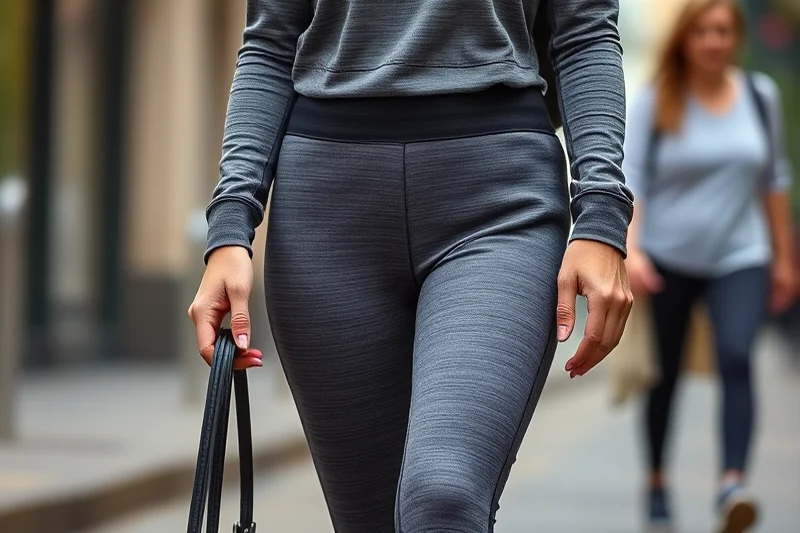
I’ve learned that not all stretchy fabrics are the same. Some are too thin, some are too stiff, and others don’t hold up to repeated wear. The key is to find a fabric that has a good balance of stretch and recovery — something that feels like it’s hugging your body but doesn’t dig in or lose shape.
I’ve tested several fabrics over the years, and the best option I’ve found is a 90% polyester/10% spandex blend. It’s durable, easy to care for, and stretches just enough to move with you during workouts. It’s also breathable enough for hot yoga or running, which is a big plus.[2]
One of the most expensive mistakes I made early on was buying fabric that was too stretchy. It felt great out of the box, but after a few washes, it stretched out completely. Now I always check the fabric’s recovery rate before purchasing. It’s a small detail, but it makes a huge difference in the long run.
The fabric is the foundation of any good activewear. Get it right, and the rest follows.
Related: Modern activewear for tall women
Tailoring Patterns for Height
I’ve found that the most common mistake tall women make when making activewear is not adjusting the pattern for their height. Many patterns are designed for average height, which means they might end up too short or too narrow for someone who’s 6'2".
To fix this, I use a method where I measure my body and adjust the pattern accordingly. For example, if a pattern is designed for a 5'6" inseam, I’ll add 2 to 3 inches to the inseam length to make it fit my height. This simple adjustment ensures that the leggings or shorts don’t end up cutting off at the ankle or feeling too tight around the hips.
I’ve also found that using a full-length pattern, rather than a half-length, is better for tailoring. It gives me more control over the adjustments and ensures that the final product is symmetrical and well-fitted.
When working with activewear patterns, use a full-length pattern instead of a half-length to make more precise adjustments.
“I'm 6'1" and have spent years searching for activewear that fits without compromise.”— Tallsuited editors
Related: Cheap big and tall workwear brands
Elastic and Seams: The Details That Matter
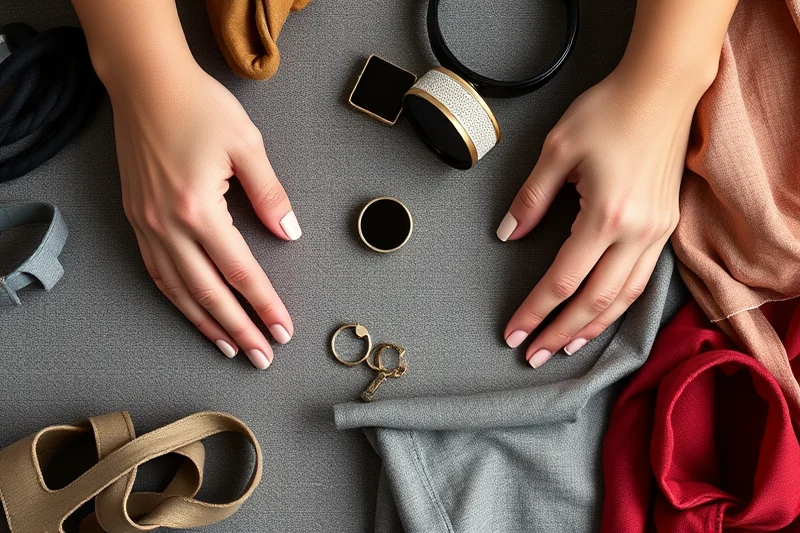
I used to think that elastic was just elastic. But after making several pairs of leggings and seeing how the seams and elastic affected the fit, I realized that it’s a crucial detail. The type of elastic you use can determine whether your leggings stay up or slip down during a workout.
I’ve found that using a 1-inch wide elastic with a good recovery rate is the best option. It’s strong enough to hold up during intense workouts but still comfortable enough to wear all day. I also use a flatlock seam finish for the inner seams to prevent irritation and make the leggings feel smoother against the skin.
One of the most important things I learned was to use the right type of elastic for different parts of the activewear. For example, the waistband needs a stronger elastic, while the leg panel can use a slightly thinner one. It’s all about balance and knowing how different parts of the activewear work together.
Related: Natural big and tall workwear
Putting It All Together: A Step-by-Step Guide
The process starts with selecting the right pattern and adjusting it to fit your height. Once that’s done, you’ll cut the fabric and elastic according to the adjusted pattern. Then, you’ll sew the pieces together, paying close attention to the seams and elastic application.[3]
I always start by cutting out the pattern pieces first, then apply the elastic to the waistband. I use a walking foot on my sewing machine to ensure even stitching. After that, I sew the seams, using a flatlock seam finish for the inner seams to make the activewear feel smooth and comfortable.
Finally, I test the activewear to make sure it fits well. If it doesn’t, I adjust the seams or elastic and try again. It’s a bit of trial and error, but with time, it becomes second nature.
⭐ Classic
The standard DIY activewear kit with all the essentials for a well-fitted pair of leggings.
💰 Budget
A more cost-effective option using affordable fabric and elastic choices.
⚡ Extra-Fast
A streamlined version with fewer steps for quick, efficient DIY activewear creation.
✨ Depth
A more detailed version with additional tips and techniques for advanced DIY activewear makers.
🥗 Light
A simplified version with minimal materials and steps, ideal for beginners.
| The mistake | Why it happens | The fix |
|---|---|---|
| Using the wrong type of fabric | Fabric that’s too stretchy or too thin can lose shape or feel uncomfortable after repeated use. | Choose a 90% polyester/10% spandex blend for the best balance of stretch and durability. |
| Not adjusting the pattern for height | Patterns designed for average height can result in activewear that’s too short for tall women. | Measure your inseam and add 2 to 3 inches to the pattern’s original inseam length. |
| Using elastic that’s too thin | Thin elastic can cause the waistband to slip or stretch out during workouts. | Use a 1-inch wide elastic with a good recovery rate for the waistband. |
| Not finishing the seams properly | Untreated seams can cause irritation or make the activewear feel rough against the skin. | Use a flatlock seam finish for inner seams to make the activewear feel smooth. |
What You'll Need tap to check off
- 1 lb Fabric (90% polyester/10% spandex blend)
- ½ cup Elastic (1-inch wide)
- Thread (matching fabric color)
Method tap a step when done
- Measure your inseam and adjust the pattern accordingly for a better fit.
- Cut the fabric and elastic according to the adjusted pattern.
- Sew the pieces together, using a walking foot for even stitching.
- Apply the elastic to the waistband and sew it securely.
- Finish the seams with a flatlock seam for comfort.
- Test the activewear for fit and make any necessary adjustments.
Key Facts
Related: Big and tall work clothes online
Diy Activewear For Tall Women
Related: Minimalist big and tall workwear
Common Questions
Can I use any fabric for DIY activewear?
How do I adjust a pattern for my height?
What type of elastic should I use for the waistband?
Is it possible to make activewear without a sewing machine?
References
- The best exercises for your bones - Harvard Health (health.harvard.edu)
- Be Tick Free - A Guide for Preventing Lyme Disease (health.ny.gov)
- Body & Beauty Standards - Bradley University (bradley.edu)
- Estimated Calorie Needs per Day by Age, Gender, and Physical ... (fcs.uga.edu)
- Barney Grad Responds to Need for Tall Women - University of ... (hartford.edu)
Cite this guide
Tallsuited (2026). Diy Activewear For Tall Women. https://tallsuited.com/diy-activewear-for-tall-women/
Feel free to cite or share this guide.