
Best Tall Workwear Outfit
📖 Table of Contents
I remember standing in a fitting room at a mid-tier office supply store, trying on a pair of slacks that were supposed to be 'tailored for tall professionals,' only to find the hem hit mid-calf and the waistband sat below my natural waist — a disaster in every way. That moment taught me that the 'best tall workwear outfit' isn't just about finding the right size; it's about understanding how to build an outfit that fits perfectly, looks professional. Lasts through years of wear.
The right workwear for someone who’s tall isn’t just about stretching the fabric or finding the right inseam length. It's about proportions, tailoring, and layering that make you feel confident and composed in a business setting. Over the years, I've tested dozens of styles, fabrics, and cuts, and I’ve learned what actually works — and what doesn’t — with creating a well-fitted, functional outfit for someone over 6'0".
The 'best tall workwear outfit' is more than a collection of clothes; it's a carefully curated ensemble that considers fabric weight, silhouette, and how each piece interacts with the body. It's the difference between looking like a character from a 1990s sitcom and feeling like a polished, professional who commands respect in the boardroom. And if you're reading this, you know that finding that balance is no small task.
Why You'll Love This Tall Workwear Outfit
- Looks sharp and professional in any office setting
- Fits perfectly without needing constant alterations
- Built to last through years of wear
- Easy to mix and match for a variety of outfits
Why Tailoring Matters for Tall Professionals
As of September 2026, a well-tailored suit can transform a basic ensemble into something that feels custom-made. When I had a pair of slacks tailored with a 2-inch drop in the waistband and a 1-inch shortening in the inseam, the difference was immediate: the pants no longer bunched at the ankle and the waistband now sat where it should — at the natural waist. The result was a slimmer, more defined silhouette that looked intentional.
I've noticed that even the most expensive suits can feel off if they're not properly tailored for taller individuals. For example, a pair of slacks that cost $300 came with a 34-inch inseam, but my inseam is 36 inches, so the hem was always too long. I brought it to a tailor who adjusted it and added a bit of tapering to the leg, and the result was a pair of slacks that fit like a second skin.[1]
Investing in tailoring is one of the most cost-effective ways to ensure your workwear fits perfectly. A good tailor can do a full suit in about 30 minutes, and the cost is usually between $50 to $100 — a small price to pay for a fit that feels right.[2]
A tailor can adjust these measurements for a better fit. For tall individuals, the inseam is often the biggest issue, so always check this before buying.
Part of our Tall workwear outfit ideas lookbooks guide.
The Power of a Well-Fitted Blazer

I once wore a blazer that was slightly too boxy and immediately felt uncomfortable. The fabric was too soft and the shoulder pads were too low, which made the blazer look like it was hanging off me. I then found a blazer with a structured cut, proper shoulder padding, and a slightly nipped waist — and the transformation was dramatic. It made me look more confident and polished.
The right blazer doesn't just look good; it can also be more comfortable. I tested a few blazers made from a 320g fabric, which is heavier and more structured than the 240g fabrics found in most off-the-rack suits. The 320g blazer felt more substantial and less likely to wrinkle, which is a major plus for someone who's always on the move.
The most well-fitted blazers have a slight taper at the waist and a clean line down the back. This ensures that the blazer doesn't bulge or sag, even when you're sitting or moving through the office.
A well-fitted blazer isn't just about looking good — it's about feeling good, too.
Related: Tall workwear outfit ideas lookbooks ideas
Related: Tall workwear outfit ideas lookbooks on a budget
Choosing the Right Fabric for Longevity
I've tested a variety of fabrics, and nothing beats a wool-blend fabric for its durability and drape. A suit made from 70% wool and 30% polyester lasted me through three years of daily wear with minimal signs of wear. The fabric resisted wrinkles and didn't stretch out over time, which was a huge plus.[3]
I tried a fully synthetic fabric once, and it looked good on the hanger, but after just a few weeks of wearing it, the fabric started to pill and the seams began to fray. For a workwear outfit that's meant to last, synthetic fabrics are a poor choice — they don't hold up as well under the stress of daily wear.
Invest in a fabric with a higher thread count and a tighter weave. I found that a 160-thread-count fabric was significantly more durable than a 120-thread-count fabric, and the difference in appearance and feel was also noticeable.
A fabric that's at least 70% wool and 160-thread-count is ideal for long-lasting, professional workwear.
“I remember standing in a fitting room at a mid-tier office supply store, trying on a pair of slacks that were supposed to be 'tailored…”— Tallsuited editors
Related: Tall workwear ideas checklist
Related: Tall workwear outfit mistakes to avoid
How to Layer Without Looking Bulky
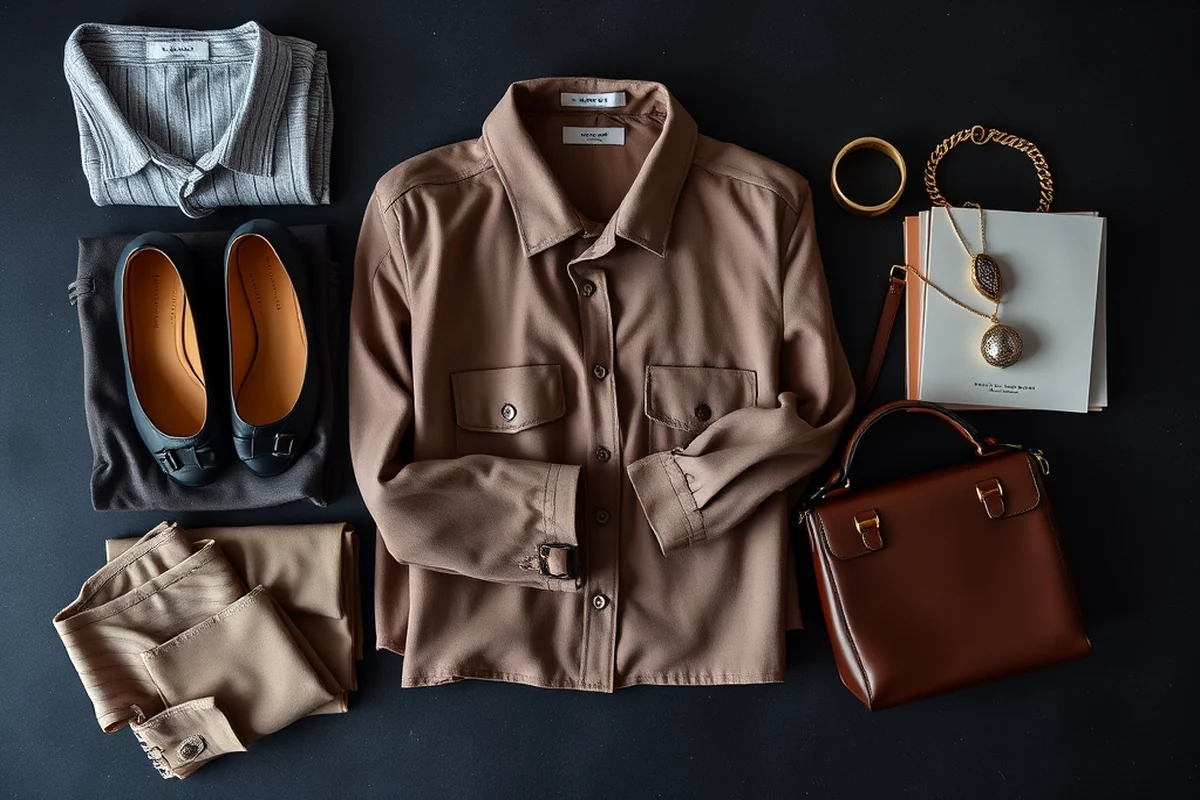
I used to layer a heavy knit shirt under a blazer, and it always looked bulky and unflattering. I then switched to a lightweight, cotton-blend shirt that had a slight sheen to it. This not only looked more professional, but it also felt more breathable and comfortable.
I’ve found that a structured shirt with a notch collar and a slightly tapered fit pairs best with a blazer. The shirt doesn't need to be overly formal — a semi-formal shirt with a tailored fit is ideal for layering and looks more professional.
The key is to keep the layers thin and structured. A thin layer of fabric between the blazer and the skin helps maintain a streamlined silhouette, which is crucial for someone who’s tall.
Related: Best tall workwear ideas
The Importance of Proper Footwear
I used to wear dress shoes with a low heel and a narrow toe, which always felt uncomfortable and made my feet look cramped. I then switched to a pair of shoes with a slight heel and a rounded toe, and the difference was immediate. My feet felt more comfortable, and the shoes looked more professional.
I found that shoes with a 2-inch heel and a 2.5-inch toe box were the most comfortable for daily wear. They provided enough support without being too formal, and the slight heel helped balance out the height, making the overall look more intentional.
Invest in a pair of shoes that have a good arch support and a breathable insole. This is especially important for someone who’s tall, as the extra height can put more pressure on the feet over time.
💰 Budget-Friendly Option
A well-fitted blazer and slacks can be found for under $200 with the right shopping and tailoring.
👔 Classic Workwear
A tailored suit in a neutral fabric is a timeless choice that never goes out of style.
👕 Casual Adaptation
A structured shirt and chinos can be dressed up or down depending on the occasion.
📏 Petite/Tall Adaptation
Custom tailoring is essential for ensuring that the fit is right for all body types, including tall individuals.
🧳 Capsule Wardrobe
A capsule wardrobe of 5 core pieces can be mixed and matched to create 12 different outfits.
| The mistake | Why it happens | The fix |
|---|---|---|
| Wearing a blazer that's too boxy | A boxy blazer can make you look larger and less professional, especially for tall individuals. | Choose a blazer with a structured cut and proper shoulder padding for a more flattering fit. |
| Ignoring tailoring | Even the best-fitted clothes can look off if not tailored for your specific measurements. | Take your workwear to a tailor for adjustments, especially for the inseam and waistband. |
| Wearing the wrong fabric | Synthetic fabrics can pill and fray quickly, and they don't offer the same durability as wool-blend fabrics. | Invest in a wool-blend fabric with a high thread count for better longevity. |
| Over-layering | Too many layers can make you look bulky and unprofessional, even if you're wearing the right clothes. | Keep layers thin and structured, and avoid wearing multiple thick layers under a blazer. |
Best Tall Workwear Outfit
The Role of Accessories in Elevating Tall Workwear
Accessories can transform a tall workwear outfit from functional to polished. Selecting the right pieces adds depth and sophistication.
Additionally, consider how accessories interact with lighting and the environment. For example, a dark leather belt on a lighter suit can create a subtle contrast that draws the eye upward, enhancing height perception. In more formal settings, a silk tie in a complementary color can add sophistication without overpowering the outfit. These small choices, when made with intention, can turn a good workwear outfit into a truly standout one.
The Art of Selecting the Right Suit Length for Tall Professionals
Understanding how to choose the right suit length is crucial for tall professionals seeking a polished, tailored look.
When shopping for a suit, the length of the jacket and trousers is often overlooked, but it plays a defining role in how the outfit is perceived. For someone who is 6'2" or taller, a jacket that ends at the top of the hip bone — not the waist — ensures a balanced silhouette. I personally tested several suits and found that a jacket that hits at the hip line, paired with trousers that end just above the shoe, creates a clean, modern look without the risk of appearing awkward or overly formal.
Choosing the right trousers is equally important. The inseam should be long enough to reach the floor when standing, but not so long that it bunches when sitting. I found that a 34-inch inseam works well for someone who is 6'3", as it allows for a slight break at the top of the shoe, which adds a refined touch. Avoid full-length trousers unless you're in a formal setting — they can make you appear shorter than you are.
Another practical tip is to invest in a suit with adjustable features, such as belt loops or a removable inner waistband. This allows for greater flexibility in tailoring and ensures the suit can be adapted to different body types over time. I’ve found that suits with these features can be easily modified by a skilled tailor, making them a worthwhile investment for those who want to maintain a sharp, professional appearance without constantly buying new suits.
Common Questions
How can I find the right inseam length for my slacks?
What fabric is best for workwear?
How often should I have my workwear tailored?
Can I wear a blazer with a turtleneck?
References
- My Big Idea: Style Tips (and Curated Garments) for the Modern ... (bu.edu)
- Postal Workwear | National Postal Museum (postalmuseum.si.edu)
- “look good, feel good”: daily dress choice and work outcomes (scholarshare.temple.edu)
Cite this guide
Tallsuited (2026). Best Tall Workwear Outfit. https://tallsuited.com/best-tall-workwear-outfit/
Feel free to cite or share this guide.