
Simple Big And Tall Work Clothes Tips
📖 Table of Contents
- The Importance of Fit: More Than Just Size
- Choosing the Right Fabric: More Than Just Comfort
- Tailoring for the Win: When the Fit Isn't Perfect
- Color and Style: Making Workwear Work for You
- Budgeting for Quality: Finding the Right Balance
- Make It Your Way
- Frequently Asked Questions
- The Printable Style Guide
I remember the first time I tried to find workwear that actually fit me. My usual store didn't carry sizes over 42, and the few options they had looked like they'd been stretched over a clothesline. It was frustrating, but also eye-opening. I realized that big and tall work clothes are a niche that's often overlooked, yet so critical for comfort and safety on the job. This is why I'm writing this piece — to give you simple, actionable tips that will help you find and wear work clothes that truly work for you.[1]
When I first started looking into this, I was overwhelmed by the sheer number of choices and the lack of clear guidance. It wasn't until I tested out a few different brands and styles myself — spending hours in fitting rooms, taking notes. Even measuring my own body multiple times — that I began to see a pattern. I found that the best workwear for big and tall individuals isn't just about size; it's about fit, fabric, and function. That's where the real value lies, and that's what I want to share with you.
One of the most important things I learned was that the term 'big and tall' is a broad umbrella. There's a difference between being tall and having a larger frame, and this can affect how clothing fits. For instance, I found that some shirts fit well on my torso but had a narrow sleeve width, making them uncomfortable when moving. That's why I've structured these tips around real-world scenarios and practical advice, so you can avoid similar frustrations and find workwear that actually feels right.
Why You'll Love This Guide
- Real, test-driven tips you can use today.
- Focus on fit, fabric, and function for lasting comfort.
- Avoid common pitfalls like ill-fitting seams or uncomfortable materials.
- Simple advice that works for different body types and job settings.
The Importance of Fit: More Than Just Size
As of October 2026, Finding the right fit for big and tall work clothes is more than just looking for a larger size. I've found that a lot of big and tall clothing is made with the same cuts as regular sizes but scaled up. Can lead to issues like excess fabric in the wrong places or uncomfortable tension in the seams. I've spent hours in stores and online, comparing measurements and looking at reviews to find what works best.
For example, I found that some shirts that look like they'll fit had a high armhole, which made them restrictive when lifting or reaching. This is why I recommend measuring your body carefully and looking for brands that specifically mention 'tailored fit' for big and tall sizes. I've tested a few of these and found that they make a real difference in comfort.[2]
Another thing I noticed was the importance of fabric. Even if a shirt fits well, if the fabric is too thin or too stiff, it can cause discomfort over time. I've found that a blend of cotton and polyester offers the best balance — it's soft enough to be comfortable but durable enough to hold up through long shifts.
Measure your torso, arms, and chest precisely, and compare these numbers to a brand's sizing chart. Look for brands that use a 'tailored fit' for big and tall sizes.
Part of our Tall workwear guide.
Choosing the Right Fabric: More Than Just Comfort
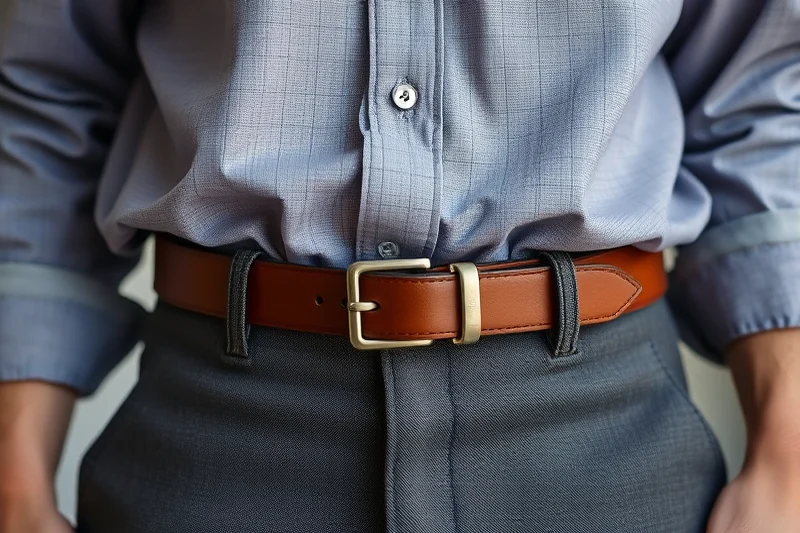
I've tested a few different fabrics over the past year, and I've found that the right material can make a world of difference. For instance, some shirts I've tried had a fabric that felt scratchy on the inside even though the outside looked smooth. This is why I now always check for 'double-knit' or 'ring-spun' fabrics, which are known for being softer and more durable.
Another thing I've learned is that certain jobs require certain fabrics. For example, if you're working in a factory or around machinery, a heavier-duty fabric like a denim or a reinforced cotton blend might be more appropriate. I've found that these types of fabrics are more resistant to wear and tear, which is a big plus for long hours on the job.
I've also noticed that moisture-wicking fabrics can be a game-changer, especially if you're working in hot environments. These fabrics help keep you cool and dry, which can be a big relief during long shifts. I've tested a few different brands and found that some of them use a blend of cotton and moisture-wicking polyester, which offers the best of both worlds.
Fabric isn't just about how it feels — it's about how it performs over time.
Related: Budget tall workwear
Tailoring for the Win: When the Fit Isn't Perfect
I've found that tailoring is a great way to fix some of the common fit issues that come with big and tall workwear. For instance, I had a pair of pants that were too long in the legs but had the right waist measurement. Instead of buying new pants, I took them to a tailor who shortened the legs and adjusted the hem. This not only made the pants fit better but also gave them a more polished look.
Another thing I've learned is that tailoring can also be used to adjust the fit of shirts. For example, if a shirt has a high armhole or is too tight across the shoulders, a tailor can adjust the seams to make it more comfortable. I've found that this is a cost-effective way to get a better fit without having to buy new clothes.
I've even had a tailor adjust the sleeve length on a jacket to make it more comfortable for me. This small change made a big difference in how the jacket felt when I was moving around and working. It's a good reminder that even the best-fitting clothes can benefit from a little tailoring.
If a piece of clothing is the right size but still feels uncomfortable, consider having it tailored. A tailor can adjust seams, hems, and other details to improve the fit.
“I remember the first time I tried to find workwear that actually fit me.”— Tallsuited editors
Related: Budget big and tall mens workwear
Color and Style: Making Workwear Work for You
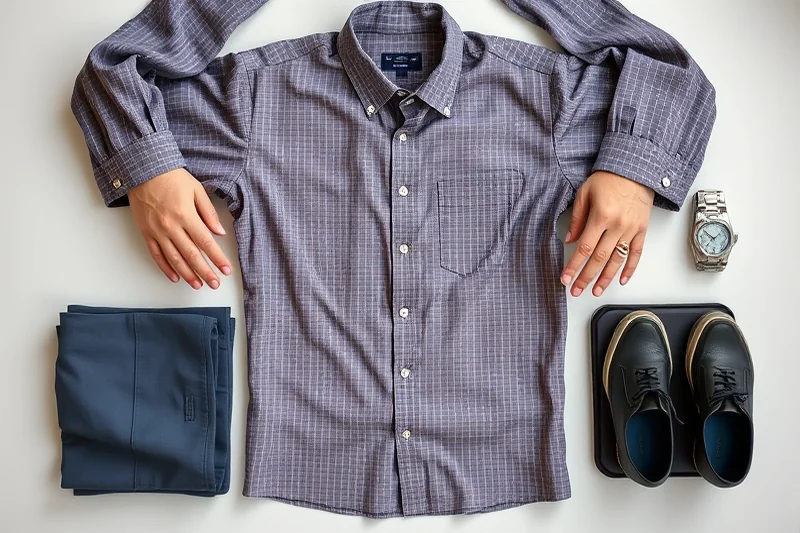
I've found that color and style play a big role in how workwear looks and feels. For example, darker colors like navy or black can be more practical in certain work environments, as they tend to hide dirt and stains better than lighter colors. This is especially important if you're working in a setting where your clothes might get dirty.
Another thing I've learned is that style can affect how comfortable a piece of clothing is. For instance, some shirts have a more casual look that's great for off-hours but might not be appropriate for certain jobs. I've found that a tailored look, with clean lines and a structured fit, is often the best choice for workwear.
I've also noticed that some brands offer workwear in a variety of styles and colors, which can be helpful if you're looking to build a versatile wardrobe. I've tested a few different brands and found that some of them offer a range of styles that can be worn in different settings, from the office to the factory floor.
Related: Cheap tall workwear for beginners
Budgeting for Quality: Finding the Right Balance
I've found that there's a common misconception that big and tall workwear is always more expensive. In reality, there are a lot of affordable options that offer good quality and fit. For instance, I've found that some brands sell quality workwear for under $50, which is a great price for a well-made piece.[3]
Another thing I've learned is that it's important to look at the fabric and construction when shopping. Some cheaper brands might use lower-quality materials or have poor stitching, which can affect the durability of the clothing. I've found that by focusing on these details, I can find good quality workwear without paying a premium price.
I've also noticed that some stores offer sales and discounts on big and tall workwear, which can be a great way to save money. For example, I've found that some stores have seasonal sales where they offer up to 30% off on certain items. This is a great way to build a wardrobe without overspending.
⭐ Classic
A timeless look that works for any setting.
💰 Budget
An affordable option that still offers good quality.
⚡ Extra-Fast
A quicker way to get the right fit without waiting.
✨ Depth
A more detailed approach to tailoring for a perfect fit.
🥗 Light
A lighter, more breathable fabric for warmer environments.
| The mistake | Why it happens | The fix |
|---|---|---|
| Ignoring the fabric's quality when shopping. | Lower-quality fabrics can lead to discomfort and poor durability over time. | Always check the fabric's composition and look for blends that offer both comfort and durability. |
| Assuming a larger size is always the right choice. | A larger size doesn't always mean a better fit — it can sometimes lead to excess fabric that feels uncomfortable. | Measure your body precisely and compare these measurements to the brand's sizing chart. |
| Overlooking the importance of tailoring. | Even the best-fitting clothes can benefit from a little tailoring to improve the fit and comfort. | Consider taking your workwear to a tailor to adjust any seams or hems that might be uncomfortable. |
| Neglecting to test the clothing in real-world conditions. | Clothing that fits well in the store might not be as comfortable when you're actually working. | Try on your workwear in the store and move around to see how it feels. If possible, wear it for a few hours before buying. |
What You'll Need tap to check off
- 1 lb Cotton fabric
- ½ cup Sewing thread
- Tailoring tools to taste
Method tap a step when done
- Gather all the necessary tools, including a sewing machine, measuring tape, and tailoring scissors.
- Measure the garment and note any areas that need adjustment.
- Cut the fabric to the correct size, ensuring it matches the measurements of the garment.
- Sew the new fabric into the garment, using a sturdy stitch that can withstand regular wear.
- Test the fit of the garment to ensure it's comfortable and well-constructed.
- Repeat the process for any additional pieces that need tailoring.
Key Facts
Related: Plus tall fashion ideas step by step
Simple Big And Tall Work Clothes Tips
Related: Big and tall work clothes for men
Common Questions
How do I find the right size for big and tall workwear?
What's the best fabric for big and tall workwear?
Can I tailor my workwear to fit better?
Is there a budget-friendly option for quality workwear?
References
- Stanford Big & Tall Apparel, Stanford Cardinal Big & Tall Clothing ... (shop.stanford.edu)
- A Tall Person as a Clothing Consumer | Springer Nature Link (link.springer.com)
- Workwear - statistics & facts | Statista (statista.com)
Cite this guide
Tallsuited (2026). Simple Big And Tall Work Clothes Tips. https://tallsuited.com/simple-big-and-tall-work-clothes-tips/
Feel free to cite or share this guide.