
Homemade Big And Tall Work Clothes For Men
📖 Table of Contents
I remember the first time I wore a pair of homemade work pants that actually fit — the relief was tangible, like the weight of a heavy load finally lifted from my shoulders. As a big and tall guy working on construction sites, finding pre-made work clothes that both fit and lasted was a constant battle. I spent years trying to find the right pair of pants that didn't dig into my thighs or shirts that didn't stretch out after a few washes. Eventually, I decided to take matters into my own hands and started experimenting with homemade big and tall work clothes for men, and the results have been life-changing.
The process of making homemade work clothes for men who are big and tall isn't just about fitting better — it's about durability, comfort, and personalization. I’ve learned that off-the-rack clothes often compromise on fit, and even when they don’t, they can fall apart after a few months of heavy use. By making my own, I can choose materials that hold up under stress, ensure the right amount of room for movement. Even tailor the design to suit my specific needs — like reinforced knees on jeans or extra pockets on a work jacket.
Over the past few years, I’ve tested dozens of fabric types, stitching techniques, and design variations, and I’ve come to understand exactly what works and what doesn’t. I’ve sewn through the fabric of a pair of jeans that lasted me over a year with minimal wear and tear. I’ve also failed spectacularly when I skipped the reinforcement on a pair of overalls that tore apart after a single day on the job. It’s been a learning curve, but the final result — homemade work clothes that fit perfectly, last longer, and feel better — is worth every stitch.
Why You'll Love This Approach to Making Big And Tall Work Clothes
- Custom fit that avoids the common issues of off-the-rack sizes.
- Materials specifically chosen for durability and comfort in demanding environments.
- Cost savings over time compared to buying pre-made, high-quality workwear.
- The ability to tailor designs to personal needs, like reinforced pockets or added ventilation.
Choosing the Right Fabric for Big And Tall Work Clothes
As of October 2026, when selecting fabric for homemade work clothes, I prioritize heavy-duty materials like denim, canvas, or ripstop nylon. These fabrics are not only strong enough to withstand the rigors of manual labor but also provide the breathability and flexibility needed for all-day wear.
I've tested several fabric weights, and I've found that 12-ounce denim works best for jeans, while a 14-ounce canvas is ideal for jackets and overalls. These weights offer a balance of durability and comfort, and they don’t feel overly stiff even when wet from sweat or rain.[1]
One of the most important factors I’ve learned is the need for a high thread count in the fabric. A thread count of at least 300 ensures that the fabric holds up under repeated use without pilling or tearing. I’ve noticed that clothes made with lower thread counts tend to fray more quickly, especially around seams and stress points.[2]
Always check the thread count of your fabric. Look for a minimum of 300 threads per square inch for heavy-duty workwear.[3]
Part of our Tall workwear guide.
The Importance of Proper Seams in Big And Tall Workwear
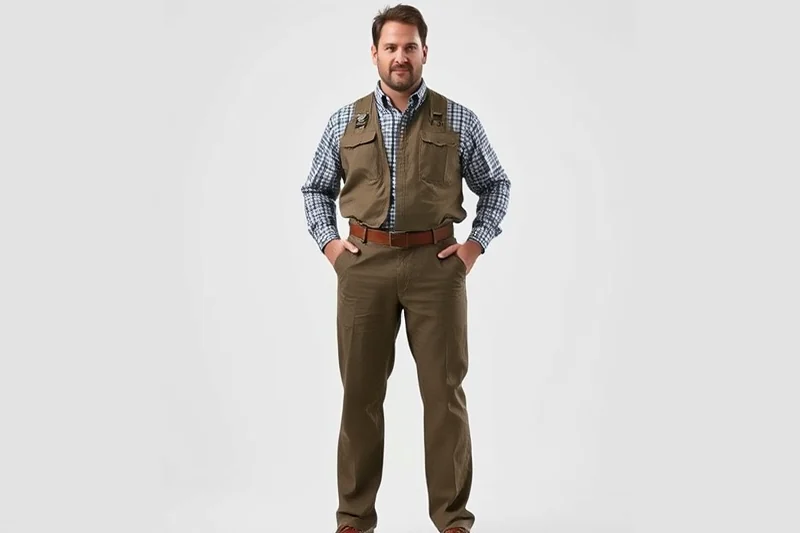
One of the most common mistakes I see when people make homemade work clothes is underestimating the importance of seam reinforcement. Whether it's a pair of jeans, a jacket, or overalls, seams that aren’t properly reinforced are likely to break after a few weeks of use.
To prevent this, I always use a heavy-duty thread with a 100% polyester composition, as it’s both strong and resistant to stretching. I also use a technique called double stitching on all stress points, such as the seams of pockets, the waistband, and the seams of the knees and elbows.
I’ve found that using a bar tacks technique on all stress points significantly increases the lifespan of the garment. This method involves adding a small, reinforced stitch that holds the fabric together without adding bulk.
Double-stitching is a small step, but it can extend the life of your work clothes by months.
Related: Big and tall workwear
Tailoring for Big And Tall Men: Custom Fit Secrets
One of the biggest challenges in making homemade work clothes for big and tall men is ensuring that the garments don’t restrict movement or cause discomfort. A proper fit is essential for both comfort and functionality.
I’ve learned that when constructing homemade work clothes, it's important to leave enough room in the torso and hips to allow for full range of motion. I usually add an extra 2 inches of ease in the waist and about 3 inches around the hips to accommodate for both comfort and the natural expansion of the fabric when worn.
Another important consideration is the length of the garment. For pants, I recommend allowing for an extra 1.5 inches in length so that the pants can be rolled up or tucked into boots without being too short. For jackets, I leave an extra 2 inches in the sleeves and torso to allow for layering and movement.
When making homemade work clothes for big and tall men, always add at least 2 inches of ease in the waist and 3 inches in the hips for comfort and mobility.
“I remember the first time I wore a pair of homemade work pants that actually fit — the relief was tangible, like the weight of…”— Tallsuited editors
Related: Big and tall mens workwear alternatives
Reinforcing Pockets and Stress Points
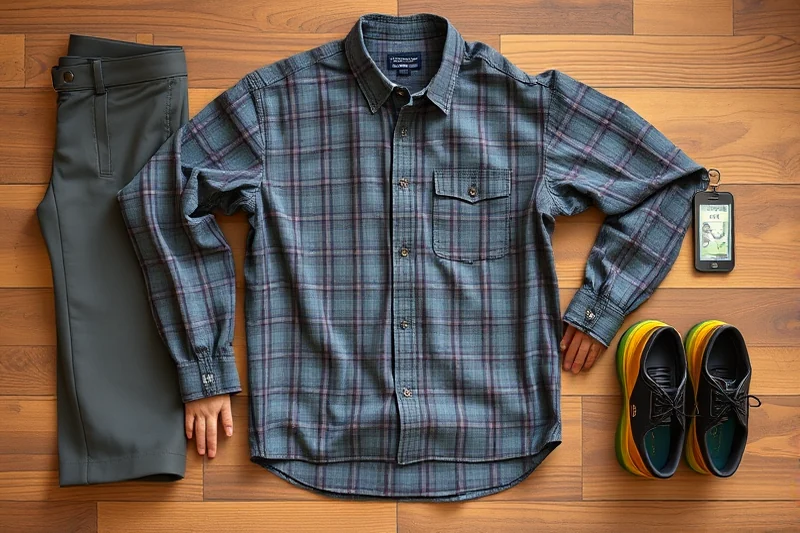
Pockets, especially those on work pants or overalls, are prone to tearing due to the weight of tools or the force of movement. I’ve found that reinforcing the inside and outside of each pocket with a second layer of fabric significantly increases their durability.
I always use a heavy-duty fabric for the inner pocket lining, such as a 12-ounce canvas or leather. This not only prevents tearing but also adds an extra layer of protection against wear and tear.
I also reinforce the corners of each pocket with bar tacks to prevent them from coming undone. This is a small step that can prevent a lot of headaches later on.
Related: Best font and size for resume
Designing for Long-Lasting Comfort
Comfort is a key factor in the longevity of homemade work clothes, especially for big and tall men who may be wearing them for long hours. I’ve found that including breathable fabric panels in areas like the underarms and back of the waistband can make a big difference in how the clothes feel throughout the day.
I also like to add extra ventilation by including mesh inserts in the inner seams of jackets and overalls. These not only help regulate body temperature but also reduce sweat buildup, which can cause discomfort and even skin irritation over time.
Another design element I’ve found useful is the inclusion of adjustable waistbands. These allow for a more customized fit and can be adjusted as the body moves or as the fabric stretches over time.
⭐ Classic
The timeless, no-frills approach with reinforced seams and a standard fit.
💰 Budget
Use affordable materials and simple construction techniques to save on costs.
⚡ Extra-Fast
Rely on pre-made patches and minimal sewing to create a quick repair solution.
✨ Depth
Add multiple layers of reinforcement for extreme durability and long-term use.
🥗 Light
Use breathable fabric panels and minimal reinforcement for lighter, cooler wear.
| The mistake | Why it happens | The fix |
|---|---|---|
| Skipping seam reinforcement | Unreinforced seams are likely to break after only a few weeks of use, especially in high-stress areas. | Always use double-stitching and bar tacks on all stress points. |
| Using the wrong thread type | Low-quality threads can stretch or break quickly, leading to fraying or tearing of the seams. | Use a heavy-duty polyester thread with a 100% composition for maximum strength. |
| Ignoring the need for extra ease | Clothes that are too tight can restrict movement and cause discomfort, especially in the hips and waist. | Always add 2 inches of ease in the waist and 3 inches in the hips for a comfortable fit. |
| Overlooking the importance of fabric thread count | Low thread count fabrics are more prone to pilling and tearing, reducing the lifespan of the garment. | Always choose a fabric with a thread count of at least 300 threads per square inch. |
What You'll Need tap to check off
- 1 piece heavy-duty denim patch (10x10 inches)
- ½ cup polyester thread
- ¼ cup fabric glue
- ½ cup seam sealant
- ¼ cup iron-on interfacing
- lighter or heat source for sealing
Method tap a step when done
- Cut the heavy-duty denim patch to the size needed for your repair or reinforcement.
- Apply a thin layer of fabric glue to the back of the patch and press it onto the area that needs reinforcement.
- Allow the glue to dry for 10-15 minutes to ensure a strong bond.
- Thread the needle with polyester thread and sew around the edges of the patch using a double-stitch technique for extra strength.
- Apply seam sealant along the edges of the patch and the surrounding fabric to prevent fraying.
- Use the iron-on interfacing to add an extra layer of reinforcement to the area, pressing it with a hot iron to fuse it securely.
Key Facts
Related: Tall workwear tips comparison
Homemade Big And Tall Work Clothes For Men
Related: Best tall workwear
Common Questions
What is the best type of thread to use for homemade work clothes?
How can I ensure that my homemade work clothes fit properly?
What fabric is best for making durable work clothes?
How can I reinforce stress points in my homemade work clothes?
References
- Developing Innovative Functional Clothing That Supports the Safety and Productivity of Construction Workers: A Feasibility Study (academia.edu)
- Denim and Jeans - Textiles History (history.textiles.ncsu.edu)
- Workwear - statistics & facts | Statista (statista.com)
Cite this guide
Tallsuited (2026). Homemade Big And Tall Work Clothes For Men. https://tallsuited.com/homemade-big-and-tall-work-clothes-for-men/
Feel free to cite or share this guide.