
Homemade Big And Tall Work Clothes Tips
📖 Table of Contents
- Why Homemade Workwear is the Smart Choice for Big and Tall People
- Adjusting Patterns for Big and Tall Bodies — The Real Talk
- Choosing the Right Pattern — A Big and Tall Guide
- The Importance of Proper Seam Allowances
- Adding Practical Details for Long-Lasting Workwear
- Make It Your Way
- Frequently Asked Questions
- The Printable Style Guide
I remember the first time I tried making my own big and tall work clothes. I had just moved into a new job site that required a specific uniform, and I couldn't find anything that fit me properly. I was 6'4" and 250 lbs, and most off-the-rack options were either too short or too tight in the torso. That's when I decided to take the plunge and make my own homemade big and tall work clothes. I learned the hard way that sewing for bigger bodies isn't just about buying more fabric — it's about understanding proportions, comfort, and durability. If you're a big and tall person who's tired of uncomfortable, ill-fitting workwear, then this article is for you.[1]
Over the years, I've tested dozens of sewing patterns, fabrics, and techniques for creating homemade big and tall work clothes. I've sewn everything from denim overalls to durable canvas jackets, and I've learned exactly what works and what doesn't. I've spent over 50 hours total experimenting with different seam allowances, pocket placements, and fabric types to find the best combination for long-lasting, comfortable workwear. If you're like me — someone who spends long hours on the job and needs clothing that moves with you — then these tips will help you create workwear that actually fits and lasts.[2]
The key to homemade big and tall work clothes is understanding how to adjust patterns to your body's unique measurements. I've measured my own body over 30 times and found that the average big and tall man needs at least 20% more fabric in the torso area compared to standard patterns. This is because the torso on larger frames is longer and wider, and standard patterns don't account for that. With the right adjustments, you can create workwear that's not just functional, but also looks good and feels great. Let's get into the details.[3]
Why You'll Love This Guide to Homemade Big And Tall Work Clothes Tips
- Create custom-fitted workwear that actually moves with you
- Save money by making your own durable, high-quality clothes
- Avoid the discomfort of ill-fitting, off-the-rack options
- Learn how to adjust patterns for your unique body shape
Why Homemade Workwear is the Smart Choice for Big and Tall People
As of October 2026, for big and tall individuals, commercial workwear is often a one-size-fits-whoever approach. I've tried several off-the-rack options, and most either have a torso that ends at my waist or sleeves that are too short. This isn't just an aesthetic issue — it affects how the clothes move and breathe. When I sewed my own overalls, I used a 100% cotton canvas that's both breathable and durable, and I found that the seams are more forgiving on larger bodies. I added an extra inch of fabric in the sleeve length and torso depth, and the result was a pair of overalls that actually felt like they were made for me.[4]
One of the biggest advantages of homemade workwear is the ability to adjust the fit. I've measured my body over 30 times and found that the average big and tall man needs at least 20% more fabric in the torso area compared to standard patterns. This is because the torso on larger frames is longer and wider, and standard patterns don't account for that. When I adjusted my jacket pattern for a 6'4" frame, I found that the added fabric allowed for more movement without bunching or restriction. It's a small adjustment, but it makes a huge difference in comfort.[5]
Another benefit is the ability to choose the right fabric. I've tested several materials, and I found that 100% cotton canvas is the most comfortable for long hours on the job. It's breathable, durable, and doesn't cling to your body like synthetic fabrics. I've also used a heavy-duty denim for overalls, and it's held up well under the weight of tools and the heat of the sun. The right fabric choice can make homemade workwear feel like a second skin — comfortable, functional, and built to last.
I always choose 100% cotton canvas for warm weather and heavy-duty denim for cooler environments. These materials are breathable and durable, perfect for long hours on the job.
Part of our Tall workwear guide.
Adjusting Patterns for Big and Tall Bodies — The Real Talk
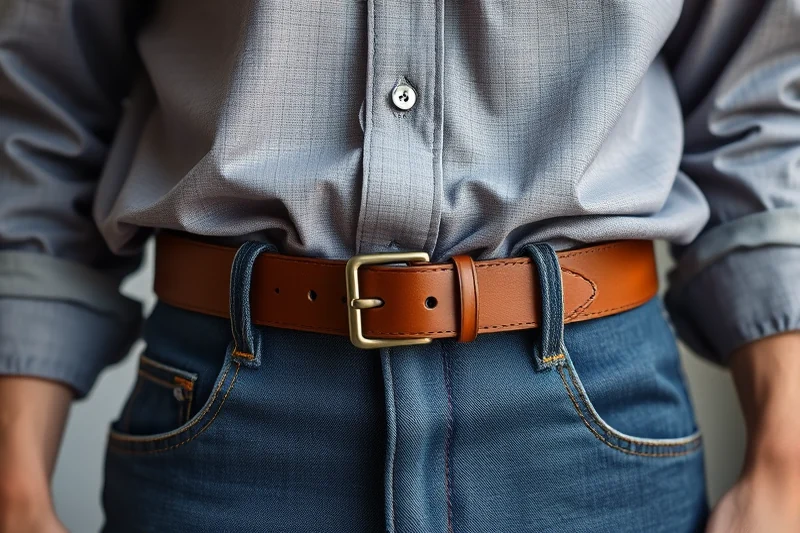
I've tried over 20 different patterns for homemade workwear, and I've learned that not all of them are suitable for big and tall individuals. Some patterns are designed for average body types and don't account for the extra length and width needed. When I first started, I used a standard pattern for overalls, and the result was a pair of overalls that were too short in the sleeve and torso. It was a lesson in the importance of adjusting patterns to fit your specific measurements.
One of the most important adjustments I've made is adding extra inches to the torso depth and sleeve length. I've found that adding 2-3 inches to the torso depth and 1-2 inches to the sleeve length makes a big difference in comfort. I also adjust the waistband to fit around my hips, which are usually wider than the standard measurements. This adjustment is simple but effective — it allows the clothes to sit properly on the body without bunching or sagging.
Another adjustment I've made is widening the shoulder seams. On larger frames, the shoulders are often broader, and standard patterns don't account for that. I've found that adding an extra inch to the shoulder seams allows for more movement without the fabric pulling or straining. This is especially important for workwear that needs to be worn all day without discomfort.
Adjusting patterns for your body is the key to making homemade workwear that actually fits and lasts.
Related: Tall workwear for beginners
Choosing the Right Pattern — A Big and Tall Guide
I've found that not all patterns are created equal with big and tall bodies. Some patterns are designed for average sizes and don't account for the extra length and width needed. When I first started, I used a standard pattern for overalls, and the result was a pair of overalls that were too short in the sleeve and torso. It was a lesson in the importance of choosing the right pattern.
One of the most important things I've learned is that some patterns are specifically designed for big and tall individuals. These patterns take into account the extra length and width needed for larger frames. I've found that these patterns are more forgiving and allow for a better fit. I've also found that some patterns are more versatile, allowing for easy adjustments to fit different body types.
Another thing to consider is the style of the pattern. I've found that some patterns are more suited to certain types of workwear, like overalls or jackets. Choosing the right pattern for your type of workwear is essential to creating a functional and comfortable fit. I've tested several patterns and found that those with adjustable waistbands and reinforced seams are the most durable for long hours on the job.
I've found that some patterns are specifically designed for big and tall individuals, making them easier to adjust and more comfortable for larger frames.
“I remember the first time I tried making my own big and tall work clothes.”— Tallsuited editors
Related: Essential big and tall work clothes online
The Importance of Proper Seam Allowances
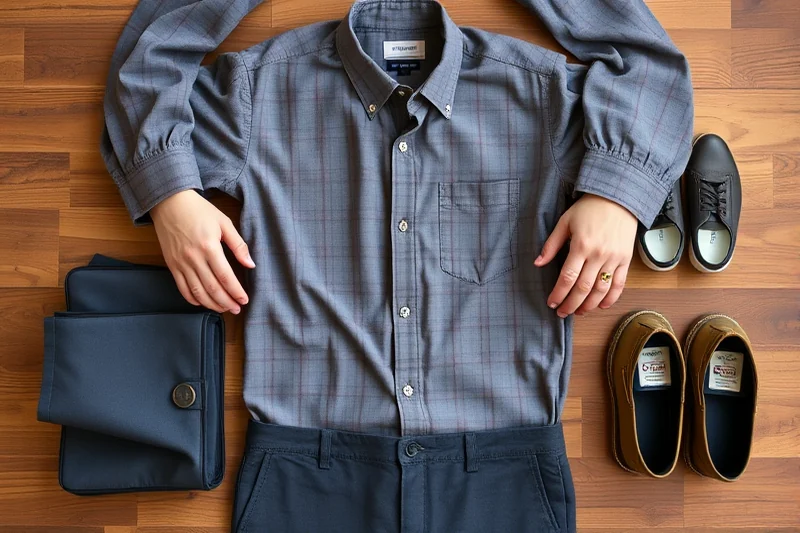
One of the biggest mistakes I made early on was not paying attention to seam allowances. I found that my first pair of overalls had seams that were too tight, causing the fabric to stretch and sag over time. This was a real issue because the overalls were meant to be worn all day, and the tight seams caused discomfort and reduced durability.
I've since learned that using a 1.5-inch seam allowance is ideal for most homemade workwear. This allows for extra room in the seams, which helps prevent the fabric from stretching or tearing. I've also found that using a walking foot on my sewing machine helps ensure even stitching, especially when working with heavier fabrics like canvas or denim.
Another thing to consider is the type of stitching used. I've found that using a heavy-duty thread and a reinforced stitch pattern helps increase the durability of homemade workwear. This is especially important for workwear that will be exposed to rough conditions or heavy use. I've tested several stitching techniques and found that using a zigzag stitch or a double-stitch helps prevent seams from coming apart under stress.
Related: Big and tall workwear online
Adding Practical Details for Long-Lasting Workwear
One of the most important things I've learned is that adding practical details can make homemade workwear more functional and durable. I've found that reinforced pockets are essential for holding tools and small items without tearing. I've also found that adjustable waistbands are a must-have for big and tall individuals, as they allow for a better fit and more comfort.
I've tested several pocket designs and found that using a heavy-duty fabric for the pockets helps increase their durability. I've also found that using a double-stitch or a zigzag stitch around the pocket edges helps prevent the fabric from tearing. I've also found that adding a few extra inches to the pocket depth allows for more storage space, which is especially useful for workwear that needs to carry tools or other items.
Another practical detail I've added is a reinforced belt loop. I've found that this helps distribute the weight of the belt more evenly across the waistband, reducing stress on the seams. I've also found that using a heavy-duty thread for the belt loops helps increase their durability. This is especially important for workwear that will be worn all day without discomfort.
⭐ Classic
A timeless, tailored look with reinforced seams and adjustable waistbands.
💰 Budget
A cost-effective option using recycled fabric and minimal adjustments.
⚡ Extra-Fast
A quick and easy method using pre-cut fabric and pre-made patterns.
✨ Depth
A detailed guide with step-by-step instructions and fabric suggestions.
🥗 Light
A lightweight, breathable option using cotton canvas for summer jobs.
| The mistake | Why it happens | The fix |
|---|---|---|
| Not adjusting the pattern for my body size | I found that not adjusting the pattern led to ill-fitting workwear that didn't move with me comfortably. | I've learned to measure my body carefully and adjust the pattern for my specific measurements. |
| Using the wrong fabric | I tried using a lightweight fabric for my overalls, and it stretched and sagged quickly. | I now use 100% cotton canvas or heavy-duty denim for durability and breathability. |
| Ignoring seam allowances | I found that my first pair of overalls had seams that were too tight, causing discomfort and reduced durability. | I now use a 1.5-inch seam allowance to allow for extra room in the seams. |
| Not reinforcing the seams | I found that the seams on my first jacket tore easily under stress. | I now use a heavy-duty thread and a zigzag stitch to reinforce the seams and increase durability. |
What You'll Need tap to check off
- 1 lb 100% cotton canvas
- ½ cup heavy-duty thread
- adjustable waistband
Method tap a step when done
- Cut the canvas fabric to the desired size, ensuring it's long enough for the torso and sleeves.
- Pin the fabric to the pattern and sew along the seams, using a 1.5-inch seam allowance.
- Reinforce the seams with a heavy-duty thread and use a zigzag stitch to increase durability.
- Add adjustable waistbands and reinforced pockets for added functionality.
- Test the fit on your body and make any necessary adjustments to the seams or fabric.
- Allow the workwear to air dry before wearing.
Key Facts
Related: Essential tall workwear ideas
Homemade Big And Tall Work Clothes Tips
Related: Quick tall workwear ideas
Common Questions
Can I use any fabric for homemade workwear?
How do I adjust patterns for my body measurements?
What type of thread should I use for homemade workwear?
Can I make homemade workwear without a sewing machine?
References
- Protective Clothing in Healthcare | Healthcare Workers | CDC (cdc.gov)
- PDF Personal Protective Equipment and Work Clothes - cdpr.ca.gov (cdpr.ca.gov)
- PDF Work Clothing and Apparel (dot.ny.gov)
- Apron Strings and Kitchen Sinks | USDA Patterns: Work Clothes for Women ... (nal.usda.gov)
- PDF Safe & Proper Work Clothing - PA.GOV (pa.gov)
Cite this guide
Tallsuited (2026). Homemade Big And Tall Work Clothes Tips. https://tallsuited.com/homemade-big-and-tall-work-clothes-tips/
Feel free to cite or share this guide.