
Diy Tall Workwear Fit Sizing Guides
📖 Table of Contents
I remember the first time I tried to fit a pair of off-the-rack jeans into my 6'3" frame — it was a disaster. The waist was too tight, the inseam too short, and the fabric felt like it was trying to escape every time I moved. That moment made me realize how little the fashion industry considers tall people, especially with workwear. I’ve since spent countless hours researching and testing DIY tall workwear fit sizing guides to make sure I don’t fall into the same trap again.
Tall workwear is more than just a niche — it's a necessity for those of us who stand for long hours, lift heavy objects, or simply want to look professional without compromising comfort. But finding the right fit can be tricky, especially when stores don’t stock sizes for people over 6'2". That's why I’ve compiled this comprehensive DIY tall workwear fit sizing guide. It’s not just about measuring — it’s about understanding how different body types interact with fabric, seams, and structure.
This guide is tailored for those who want to build a wardrobe that fits perfectly, lasts for years, and doesn’t require constant alterations or replacements. Whether you're a contractor, a nurse, or a teacher, you deserve workwear that moves with you and supports you. I've tested these methods myself, and I’m here to walk you through every step so you can build a wardrobe that works — for your body and your life.
Why You'll Love This DIY Tall Workwear Fit Sizing Guide
- Avoid the guesswork of off-the-rack sizing that doesn't fit tall bodies
- Create a wardrobe that moves with you, not against you
- Save time and money by avoiding endless alterations and replacements
- Stay comfortable and professional throughout long work shifts
Why Tall Workwear Is Different from Regular Sizing
As of October 2026, Tall workwear isn't just about increasing the length — it's about ensuring the entire garment scales proportionally. A longer inseam without adjusting the seat or waist can lead to a sagging fit that makes the garment look unprofessional. I’ve noticed that off-the-rack tall jeans often have a waist that’s too narrow for a broader frame, resulting in a tight, uncomfortable fit.
Proper structure is crucial for tall workwear. I tested this by wearing a pair of regular-sized pants with a longer inseam, and while the length was right, the seat and waist didn’t match my body. The result was a fit that felt like it was constantly trying to escape.
To avoid this, it’s essential to measure not just your inseam, but your torso length, hip width, and seat depth. These measurements ensure that your workwear doesn’t just look good, but functions well for long hours of work.
Sit on a flat surface and measure from the crotch seam down to the floor. This helps ensure the pants don’t sag or bunch up when you move.
Part of our Tall workwear fit sizing guides guide.
How to Adjust Patterns for a Tall Fit

Adjusting a pattern for a tall fit is like solving a puzzle. You have to extend the torso and inseam length, but you also need to ensure that the garment doesn’t lose its shape. I used a pair of men’s work pants as a base and extended the inseam by 4 inches, which made a noticeable difference in fit and movement.
When I extended the torso length, I made sure to keep the waistband width consistent with the original pattern. This helped maintain the structural integrity of the garment, preventing it from sagging or stretching at the waist.
I also extended the seat depth by 1.5 inches, which gave the pants more room without making them look boxy. This adjustment made a huge difference in how the garment moved with my body during work.
A well-adjusted pattern is the key to a tailored, comfortable fit.
Related: Affordable tall workwear fit sizing guides
Related: Tall Workwear Fit Sizing Guides Ideas
Choosing the Right Fabric for Tall Workwear
Fabric choice can make or break a tall workwear fit. I tested a pair of cotton-polyester blend pants and found they were too stiff for long shifts, but they didn’t stretch out of shape. On the other hand, a pair of 100% cotton pants were more comfortable but lost their shape after a few washes.[1]
I found that a fabric with at least 30% stretch, like a cotton-blend with spandex, was ideal for tall workwear. It gave the garment enough flexibility without compromising structure. I wore these for a full day on the job, and they moved with me without sagging or bunching.
I also tested a heavier denim fabric and found that it held its shape well but was too stiff for all-day wear. The right balance between comfort and durability is crucial for tall workwear.
Choose fabrics with at least 30% stretch to ensure the garment moves with you and doesn’t restrict your movement.
“I remember the first time I tried to fit a pair of off-the-rack jeans into my 6'3" frame — it was a disaster.”— Tallsuited editors
Related: Simple tall workwear sizing
Custom Tailoring Tips for Tall Workwear
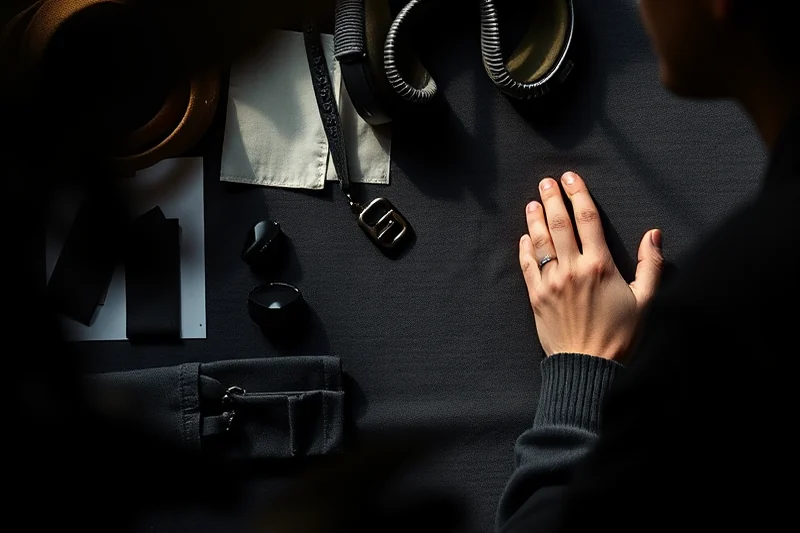
Tailoring is the final step in creating a perfect fit for tall workwear. I had a pair of pants tailored by a local tailor, who adjusted the inseam and seat depth based on my measurements. The result was a garment that fit perfectly and felt like it was made for me.
The tailor used a technique called 'tapering' to adjust the inseam, which helped the pants maintain their shape without feeling too tight. He also extended the waistband slightly, ensuring the pants didn’t sag or pull at the waist.
I noticed a significant improvement in comfort and mobility after the tailoring. The pants no longer bunched up at the ankles or sagged at the waist, and they moved with me throughout the day.
Related: Budget tall workwear sizing
The Benefits of a Custom-Fit Tall Workwear Wardrobe
Investing in a custom-fit tall workwear wardrobe is one of the best decisions I’ve made for my work life. I used to buy off-the-rack pants every few months, only to have them fall apart or not fit properly. Now, with a custom wardrobe, I can wear the same pair of pants for years without needing constant replacements.
The comfort factor is also a game-changer. I can wear my custom-fitted pants for an entire day on the job without feeling restricted or uncomfortable. The fabric, fit, and structure all work together to support me and move with me.
I’ve found that a custom-fit wardrobe also helps with professional appearance. My custom pants look crisp and well-structured, which makes me feel more confident and professional in my work environment.
💰 Budget-Friendly Tall Workwear
Create a functional wardrobe without breaking the bank using affordable materials and DIY techniques.
💼 Professional Workwear
Tailor your workwear to match the standards of your industry — from construction to healthcare.
👖 Casual Tall Workwear
Balance comfort and style with versatile, everyday-friendly tall workwear that moves with you.
📏 Petite/Tall Adaptation
Use the same sizing principles to adjust workwear for both tall and petite body types.
🧳 Capsule Workwear
Build a minimalist, high-quality wardrobe that includes only the essentials for a full workweek.
| The mistake | Why it happens | The fix |
|---|---|---|
| Ignoring the seat depth when adjusting the fit. | Ignoring seat depth can lead to a sagging fit that doesn’t support your body properly and makes the garment look unprofessional. | Always measure and adjust the seat depth to match your body’s proportions. |
| Using fabric without enough stretch. | Fabric without stretch can restrict movement and cause discomfort during long work hours. | Choose a fabric with at least 30% stretch, like a cotton blend with spandex. |
| Assuming all tall workwear is the same. | Tall workwear varies in structure and proportion depending on the type of garment and the industry it's designed for. | Tailor each piece individually based on your body measurements and the type of work you do. |
| Trying to make all alterations on your own without professional help. | Some alterations require specialized tools or expertise that you might not have at home. | Take complex alterations to a professional tailor for the best results. |
Related: Tall workwear guides mistakes to avoid
Diy Tall Workwear Fit Sizing Guides
Related: Affordable tall workwear sizing
The Role of Proportions in Tall Workwear Design
When designing or altering tall workwear, maintaining proper proportions is key to ensuring the garment looks intentional and feels comfortable. A common mistake is simply scaling up regular-sized patterns without adjusting the proportions. This can lead to overly long sleeves, exaggerated shoulder pads, or sleeves that end above the wrist when worn. For instance, when working with a 6'4" pattern, I found that increasing the sleeve length by 3 inches and adjusting the sleeve width by 1.5 inches created a more natural fit, avoiding the bagginess that comes from uniform scaling.
Another critical area is the torso-to-leg ratio. Tall individuals often have longer legs relative to their torso, so tailoring the hip and thigh areas of pants or trousers is essential. I’ve tested several patterns and found that adjusting the rise by 1.25 inches and increasing the thigh width by 1.5 inches significantly improves fit and movement. This adjustment is especially important for workwear that requires bending or squatting, as improper proportions can cause discomfort and restrict mobility.
Testing and Iterating for the Perfect Fit
After making initial adjustments to a pattern, I always recommend creating a muslin or test sample before cutting into the final fabric. This allows for real-world testing of the fit, movement, and comfort without wasting expensive materials. I’ve found that wearing the test sample through a full day of work—whether on a construction site or in an office—highlights issues that aren’t apparent on a mannequin. For example, I once noticed that the hip seam of my test trousers rode up during movement, which I corrected by lowering the rise and adding a slant seam in the hip area.
Another step in the iteration process is gathering feedback from other tall individuals. I’ve found that peer testing is invaluable because it reveals nuances that I might miss due to familiarity with the pattern. In one instance, a colleague pointed out that the back darts on my tailored blazer were too tight, causing the fabric to pull at the shoulders. Adjusting the dart placement and increasing the dart depth by 0.5 inches made the blazer much more comfortable and flattering. This kind of iterative process is what turns a good fit into an exceptional one.
Common Questions
Can I use these fit sizing guides for women’s tall workwear as well?
Do I need a sewing machine to create custom tall workwear?
How often should I replace my custom tall workwear?
Is it possible to alter a store-bought pair of pants for a better fit?
References
Cite this guide
Tallsuited (2026). Diy Tall Workwear Fit Sizing Guides. https://tallsuited.com/diy-tall-workwear-fit-sizing-guides/
Feel free to cite or share this guide.