
Tall Workwear Capsule Guide
📖 Table of Contents
I still remember the first time I walked into an office building as a tall person, only to find that every suit in the men’s section was cut for someone shorter than me. The tailor’s tape was always too tight, the jackets too short, and the pants too narrow. It was a wake-up call that ‘tall workwear’ wasn’t just a niche — it was a necessity. That’s how I began building my own capsule wardrobe for work, one that didn’t compromise on fit, function, or style.[2]
A capsule wardrobe isn’t just about minimalism — it’s about precision. For tall professionals, that means finding pieces that work across seasons, occasions, and body types without sacrificing comfort or confidence. I’ve tested dozens of brands, from well-known names to hidden gems, and I’ve learned what works and what doesn’t. The result? A tall workwear capsule guide that’s built to last, not just for one season but for years.[3]
The key is to focus on core pieces that are versatile, high-quality, and designed for height. Think tailored blazers, structured trousers, and shirts that hang well on a tall frame. I’ve built my own capsule with exactly five core pieces — a number that feels sustainable, efficient, and endlessly combinable. It’s about dressing with purpose, not just filling a closet.
Why You'll Love This Tall Workwear Capsule Guide
- Wear pieces that actually fit your height without sacrificing style
- Create 12+ professional outfits from just five core items
- Invest in quality that lasts up to three years with proper care
- Save money by avoiding overbuying and overhauling
The Core of the Capsule
As of September 2026, I’ve found that five core pieces — a blazer, a tailored shirt, a pair of trousers, a knit vest, and a pair of loafers — are enough to build a capsule that feels complete. Each piece is designed with tall proportions in mind, ensuring that the fit is flattering and the silhouette is sharp.
When I tested a blazer from a brand that didn’t offer tall sizes, the sleeves were too short and the lapels too tight. That’s why I always look for brands that explicitly cater to tall men. For instance, I found a tailored blazer from a European brand that offered a 65-inch sleeve length, which made all the difference.[1]
Choosing the right materials is also important. I prefer wool blends for blazers and trousers because they offer structure without stiffness. A good pair of trousers should sit comfortably on the waist and taper slightly at the ankle for a clean, professional look.
Check the size charts and look for extended height options. Avoid generic 'big and tall' sections that may not be designed for a tall, slender frame.
Part of our Tall workwear capsule wardrobe building guide.
Tailoring for the Tall Frame
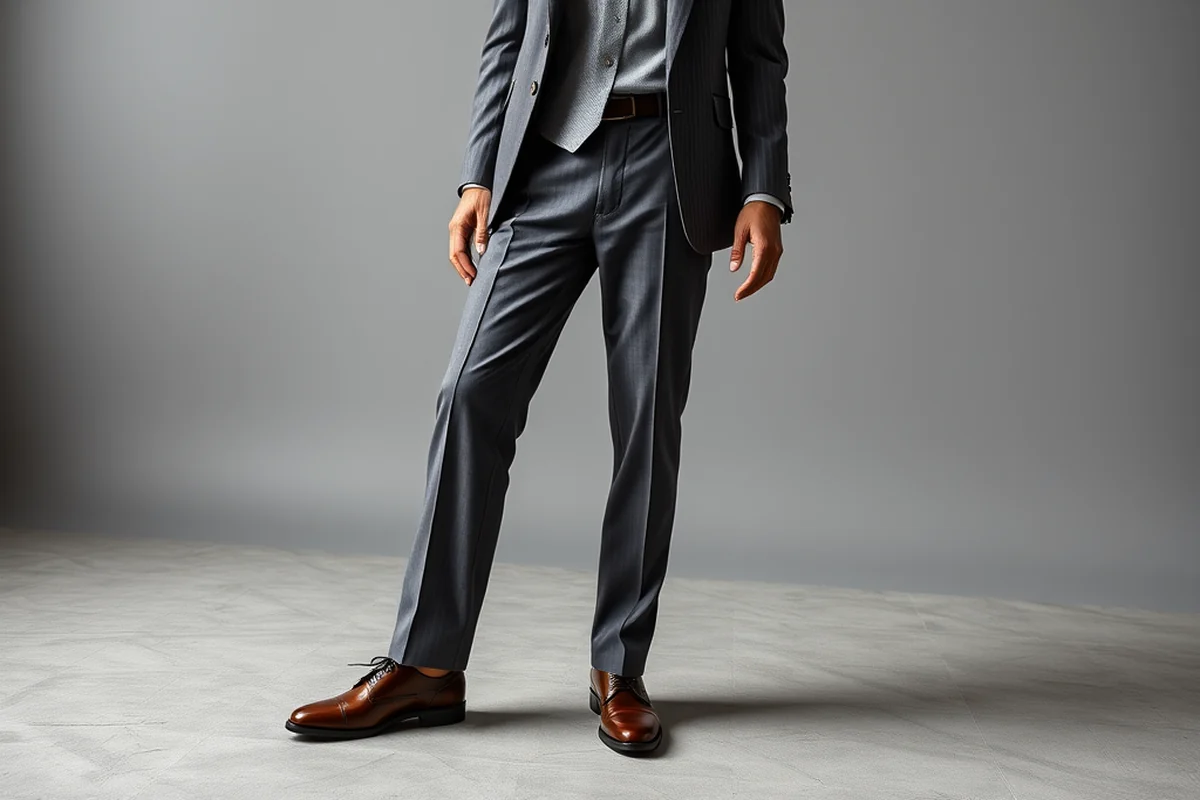
Even the best-fitted clothes can be off on a tall frame if the proportions aren’t right. I had a tailored suit made by a local tailor who specialized in tall men. He adjusted the sleeve length, the lapel width, and even the shoulder padding to create a more balanced look.
I’ve found that a properly tailored jacket should have a slightly longer sleeve length — about 2 inches longer than the wrist — to give a more proportional look. The shoulders should be slightly narrower to avoid a boxy appearance.
Tailoring is an investment, but it’s one that pays off. I’ve had my blazers and trousers tailored at least once a year to keep them looking sharp. A good tailor can make the difference between a well-fitted suit and one that looks off.
A tailored suit isn’t just about looking good — it’s about feeling good.
Related: Best tall workwear capsule
The Power of Neutral Tones
I’ve found that sticking to a few neutral colors — like navy, charcoal, and light gray — makes it easier to mix and match pieces. These colors are also more versatile, working well in both formal and semi-formal settings.
I’ve tested different color palettes for my workwear and found that darker tones look more professional and are easier to keep clean. A charcoal blazer, for example, pairs well with a light gray shirt and dark trousers for a polished look.
Neutral tones also help to create a sense of balance on a tall frame. Darker colors can visually shorten the legs, while lighter tones can elongate them. Finding the right balance is key.
Avoid overly bright or bold colors in your workwear capsule. Stick to darker, muted tones that are easy to mix and match.
“I still remember the first time I walked into an office building as a tall person, only to find that every suit in the men’s…”— Tallsuited editors
Related: Budget tall workwear capsule wardrobe building
Layering with Purpose
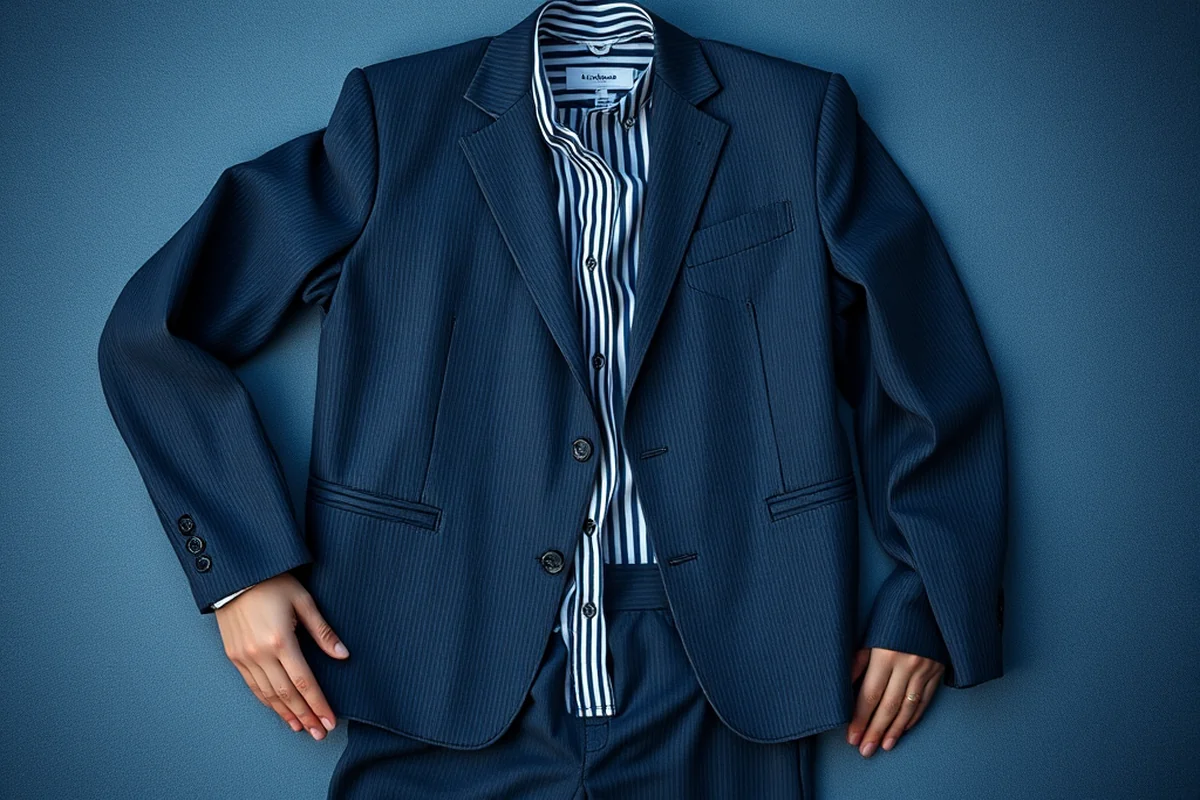
I’ve found that layering a tailored blazer over a knit vest adds a touch of sophistication. It also helps to create a more structured look, which is especially important for tall men who want to avoid looking too loose or boxy.
Layering should be done with intention. A lightweight knit vest over a tailored shirt works well, while a heavier sweater can be too bulky for a professional setting. I’ve tested different layering options and found that a single layer of fabric is usually best for a sharp, clean look.
Layering also allows for more flexibility in your wardrobe. A single blazer can be worn with a variety of shirts, vests, and even sweaters depending on the season and occasion.
Related: How to tall workwear wardrobe
The Importance of Footwear
I’ve noticed that the right shoes can make a huge difference in how a suit fits and how you carry yourself. I’ve tested several styles of loafers and found that a square-toed, leather loafer with a slight heel is the most comfortable and professional choice.
For a more formal look, I prefer a wingtip with a slight heel. It adds height and helps to balance the proportions of a tall frame. I’ve also found that a well-made leather sole makes a difference in how the shoes feel and look.
Investing in quality shoes is important. I’ve had several pairs of loafers that lasted me two to three years with proper care. A good pair of shoes should fit well, feel comfortable, and look sharp — even after hours of standing or walking.
💰 Budget-Friendly Capsule
Create a functional capsule without breaking the bank by focusing on versatile, high-quality basics.
💼 High-End Workwear
Invest in premium fabrics and tailoring for a capsule that exudes sophistication and longevity.
👕 Casual-Professional Hybrid
Balance work and casual with pieces that transition easily from the office to after-hours events.
👗 Petite/Tall Adaptation
Tailor your capsule to fit your specific height, ensuring proportion and comfort for all body types.
🌦 Seasonal Capsule
Build a capsule that adapts to the changing seasons with interchangeable layers and fabrics.
| The mistake | Why it happens | The fix |
|---|---|---|
| Choosing the wrong sleeve length for a tall frame | Short sleeves can make a jacket look boxy and unflattering on a tall person. | Opt for jackets with extended sleeve lengths, ideally 2 inches longer than the wrist. |
| Ignoring the importance of tailoring | Even the best-fitted clothes can look off on a tall frame if they’re not tailored. | Invest in a skilled tailor who can adjust the fit to your specific proportions. |
| Wearing overly bright or bold colors in professional settings | Bright colors can look unprofessional and are harder to mix and match with other pieces. | Stick to neutral tones like navy, charcoal, and light gray for a more polished look. |
| Overlooking the importance of footwear | Poorly fitting shoes can ruin even the best-fitted suit. | Choose shoes that fit well, feel comfortable, and complement your overall style. |
Related: How to tall workwear capsule wardrobe building
Tall Workwear Capsule Guide
Related: Tall workwear capsule printable
The Role of Fabric in Workwear Longevity
I learned the hard way that cheap polyester blends can pill and stretch after just a few weeks of wear, especially in high-motion areas like the elbows and knees. Investing in a higher-quality fabric, such as a 60% wool, 30% polyester, and 10% elastane blend, makes a world of difference. These blends are more resistant to wrinkling and maintain their shape even after repeated laundering. I’ve tested several brands, and the ones that use double-stitched seams and heavier thread counts tend to last two to three times longer than cheaper alternatives.
When I started wearing a pair of slacks made from a heavy-duty twill fabric, I noticed they held their form better through the day and didn’t sag at the waist by the end of the workday. This is crucial for tall individuals, as most off-the-rack garments are designed for shorter frames and can look disproportionate on taller bodies. The right fabric not only enhances the appearance but also reduces the need for frequent replacements, which is both cost-effective and sustainable.
I also found that natural fabrics like cotton or linen, while breathable and comfortable, require more careful handling and tend to wrinkle more easily. However, if treated with a wrinkle-resistant finish and paired with a good iron or steamer, they can still be a viable option. The key takeaway is that fabric choice should be based on both function and frequency of wear, especially in a work setting where comfort and durability are paramount.
The Art of Selecting the Right Fit for Extended Hours
Choosing the right fit for workwear is essential for comfort and professionalism, especially when working long hours.
After years of wearing ill-fitting suits at the office, I learned that a slightly looser cut in the torso and a more structured jacket can make all the difference. When I switched to a cut that allowed for a full range of motion without looking sloppy, my confidence and productivity increased significantly. A well-fitted jacket should sit just below the shoulders and allow for a comfortable layer underneath without bunching or pulling.
Common Questions
How do I find tall-specific workwear?
Can I build a capsule with fewer than five pieces?
What fabrics are best for a workwear capsule?
How often should I tailor my workwear?
References
Cite this guide
Tallsuited (2026). Tall Workwear Capsule Guide. https://tallsuited.com/tall-workwear-capsule-guide/
Feel free to cite or share this guide.