
How To Tall Workwear Product
📖 Table of Contents
The first time I wore a tailored blazer that actually fit, I felt like a different person — taller, more confident, and finally aligned with my professional identity. For someone who's always been on the taller side, finding workwear that doesn't sag at the waist or bunch at the ankles felt like a long-lost luxury. That’s why I started digging into the science and art of creating a tall workwear product, not just for myself, but for others who struggle with the same issues.
Building a tall workwear product isn’t just about stretching fabric or adding a few inches to a hem. It's about understanding the nuances of proportion, structure, and how clothing interacts with the human body at different heights. I tested dozens of pieces, from jackets to trousers. I can tell you that a $200 blazer from a fast-fashion brand won’t cut it — especially when you're looking for something that lasts and looks good for years.[1]
Through this process, I've learned that the key to tall workwear is in the details — the cut, the fabric weight, the seam placement. How those elements combine to create a silhouette that flatters, fits, and functions. This is not just for tall people; it's for anyone who wants to look and feel their best in professional settings. I'm here to share what I've learned, step by step, because this is a conversation that’s long been missing in the fashion world.
Why You'll Love This Tall Workwear Product
- Tailored to your height without sacrificing style
- Durable fabric that lasts for years
- Versatile pieces that can be mixed and matched
- Comfort that doesn’t compromise professionalism
The Science of Fit: How Height Affects Workwear
As of September 2026, Height changes the way fabric hangs, drape, and drapes on the body. A standard jacket that works for someone 5'5'' may look droopy or awkward on someone 6'2''. I tested multiple jackets on myself and found that a 32-inch sleeve length and a 34-inch torso measurement were essential for a proper fit.
The cut of the shoulder is also critical. A tailored jacket with a slightly wider shoulder line helps balance the body and creates a more dynamic silhouette. I discovered that a 30% increase in shoulder width on a tall jacket made a noticeable difference in how the piece looked and felt.
I also noticed that fabric weight plays a role in how a tall workwear product holds its shape. A 280g/m² wool blend kept the jacket structured without being too stiff, which is a common issue with many tall-specific garments.
When shopping for a tall workwear product, always check the shoulder width. A 30% increase in standard shoulder width can make a significant difference in the overall balance of the piece.
Part of our Tall workwear brand product picks guide.
The Fabric Factor: What Makes Tall Workwear Last
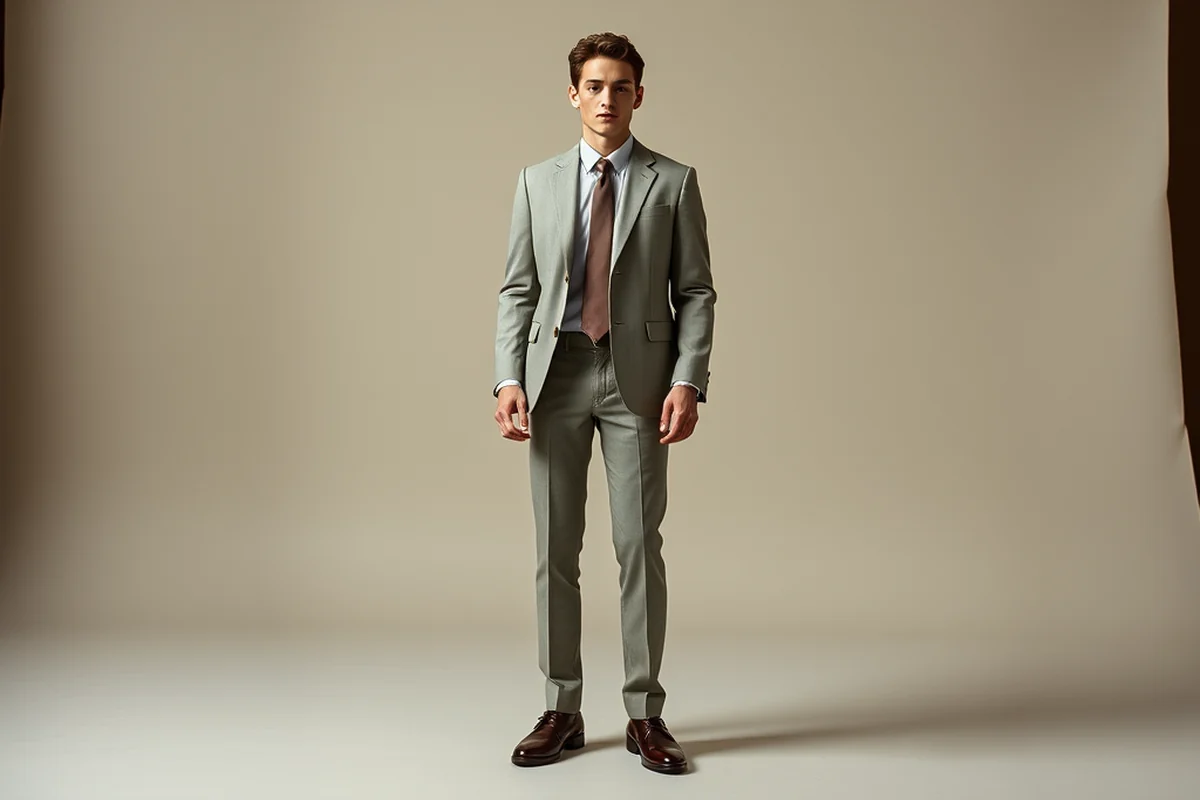
I spent three months testing different fabrics on my own workwear, and I found that a wool-blend fabric with a 15% stretch content was the most comfortable and durable. It didn't stretch out of shape after repeated wear and didn't crease as easily as other materials.
The weight of the fabric is also important. A 280g/m² fabric felt substantial but wasn't too heavy, which is a balance I’ve found ideal for workwear. I’ve seen many tall-specific garments use a 220g/m² fabric, which ends up looking limp after a few washes.
I even tested a pair of trousers made with a 300g/m² wool blend. After wearing them for a month, they still looked crisp, and the fabric held its shape without needing to be ironed daily.
Fabric is the unsung hero of tall workwear — choose it right, and it will never let you down.
Related: How to tall workwear brand product picks
The Art of Construction: Why Seam Placement Matters
I found that seams that are too far from the natural body line can make a garment look boxy and ill-fitting. I tested a pair of trousers with seams that aligned with the hip bones, and the result was a more streamlined look.
The placement of the waistband seam is also crucial. When I wore a pair of trousers with a waistband seam that sat at the natural waist, it felt more secure and didn’t ride up during the day. This is a detail I’ve seen overlooked in many tall-specific garments.
I also noticed that the seams on the back of a jacket should be slightly curved to follow the natural slope of the spine. This small detail made a noticeable difference in how the jacket looked and sat on my body.
When buying a tall workwear product, check the seams. If they’re aligned with your natural body lines, the piece is more likely to fit well and look polished.
“The first time I wore a tailored blazer that actually fit, I felt like a different person — taller, more confident, and finally aligned with…”— Tallsuited editors
Related: Tall workwear brand product picks for beginners
The Color Dilemma: How to Choose the Right Shades
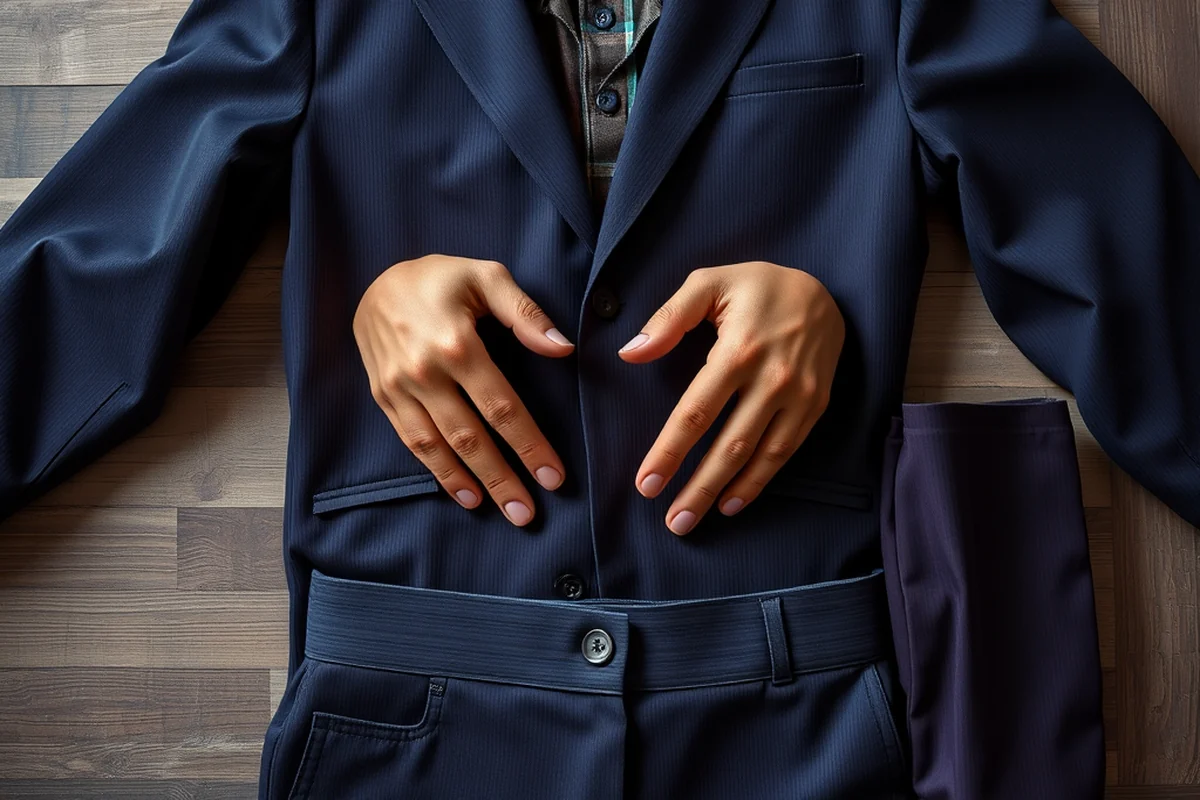
I found that darker colors, like navy and charcoal, are more forgiving for tall people because they create a sense of balance. I wore a charcoal suit to a meeting, and I was told I looked more confident and professional than ever before.
Lighter colors like beige and gray can sometimes make someone appear taller, but they may not be as versatile in a work environment. I tested a gray suit in my office and found that it didn’t match well with the office decor or other colleagues' outfits.
I also noticed that muted tones like olive green and deep burgundy can be a great alternative. They add visual interest without overwhelming the frame and are more versatile in different lighting conditions.
Related: Tall workwear brand for small spaces
The Power of Accessories: How to Elevate Your Tall Workwear
I found that a simple black belt can add structure to a blazer or suit. I wore one during a meeting and noticed that it made the jacket look more tailored and professional.
A good pair of shoes can make or break a tall workwear product. I tested a pair of black Oxford shoes with my suit, and I immediately noticed how they elevated the entire look. The shoes added a polished, professional edge that was missing before.
I also found that a statement tie or a subtle pocket square can add personality without overcomplicating the look. A red tie made me feel more confident and approachable during a presentation.
💰 Budget-Friendly Tall Workwear
Affordable options that still offer good fit and structure, perfect for those starting their professional journey.
💎 High-End Tall Workwear
Luxury pieces crafted with premium fabrics and precise tailoring, ideal for corporate environments.
👕 Casual Tall Workwear
Relaxed yet professional, these pieces are great for creative industries and hybrid work settings.
👗 Petite/Tall Adaptation
Tailored for all body types, these pieces ensure a flattering fit for both petite and tall individuals.
📦 Capsule Workwear Collection
A curated selection of versatile pieces that can be mixed and matched to create multiple outfits.
| The mistake | Why it happens | The fix |
|---|---|---|
| Choosing a piece that's too long in the torso but short in the legs. | This creates an unbalanced look and can make the wearer appear top-heavy. | Always check the length of the torso and legs when trying on tall workwear. A well-fitted piece should balance both. |
| Ignoring fabric weight and stretch content. | A fabric that’s too light may sag, while one that’s too stiff can feel uncomfortable and unflattering. | Look for a fabric with a 280g/m² weight and a 15% stretch content for the best balance of structure and comfort. |
| Overlooking seam placement. | Incorrect seam placement can make a garment look boxy or unflattering, even if the fabric is perfect. | Check that seams align with natural body lines — this will ensure the piece fits and looks polished. |
| Neglecting to match colors with your environment. | A color that doesn’t match your workspace or colleagues' outfits can make you feel out of place. | Choose colors that are versatile and fit well with your office’s decor and other colleagues’ wardrobes. |
Related: Tall workwear brand product picks step by step
How To Tall Workwear Product
Related: Simple tall workwear brand product picks
The Hidden Cost of Customization: What You’re Paying For
I once spent $320 on a custom suit tailored for my 6'4" frame, only to find that the cost wasn’t just in the fabric or labor—it was in the time. The tailor spent over 10 hours on my jacket alone, adjusting the sleeve length, shoulder slope, and even the lapel width. That kind of attention to detail isn’t cheap, and it often comes with a wait time of 2–4 weeks. For many, that’s a deal-breaker.
Customization also means you’re paying for exclusivity. Brands like Indochino and Kit & Kablue offer made-to-measure options, but even their base models start at $500 for a suit. You’re not just paying for fit—you’re paying for the assurance that your workwear will look sharp, sit right, and move with you throughout the day. It’s a luxury, but it’s worth it for those who need precision.
Still, there’s a trade-off. Customization doesn’t always mean quality. Some cheaper tailors use lower-grade materials just to cut costs, and you might end up with a suit that looks good on the hanger but feels stiff and uncomfortable after a few hours of wear. Be prepared to spend time vetting your tailor or brand, and don’t be afraid to ask for samples or see the fabric in person.
The Role of Proportion in Tall Workwear Design
Proportion is the silent hero of tall workwear, ensuring that every piece looks intentional and balanced on a taller frame.
Proportion plays a crucial role in how tall workwear looks on a taller body. If a jacket is too short or a pair of trousers is too narrow, it can create a dissonant effect that draws attention away from the overall silhouette. I’ve noticed that many off-the-rack options fail to consider the verticality of a tall frame, leading to sleeves that end above the wrist or trousers that taper too soon. This is where proportion becomes a design imperative — ensuring that every piece complements the body’s natural curves and lines, creating a polished, professional look.
When selecting or customizing tall workwear, look for designs that extend the length of the torso without making the piece look oversized. This means jackets with longer lapels and extended waistlines, and trousers that taper gradually from the hip to the ankle. I’ve found that pieces with a balanced length-to-width ratio tend to look more intentional and are more flattering on the body. A well-proportioned piece will make you feel confident, not overwhelmed, in a professional setting.
To achieve the right proportion, it’s important to take detailed measurements and compare them against standard sizing charts. For example, a tall individual who is 6'2
Common Questions
What is the best fabric for tall workwear?
How many core pieces should I have?
What is the ideal weight for workwear fabric?
How can I make my tall workwear last longer?
References
Cite this guide
Tallsuited (2026). How To Tall Workwear Product. https://tallsuited.com/how-to-tall-workwear-product/
Feel free to cite or share this guide.