
Tall Workwear By Season Occasion Step By Step
📖 Table of Contents
I remember the first time I put on a pair of tall workwear that actually fit — it felt like a second skin, not a compromise. As someone who stands over 6'2", finding clothing that doesn’t make me look like I’ve borrowed my brother's suit has been a mission. That’s why I sat down with a tailor, a few fashion stylists, and my own closet to create a system: tall workwear by season and occasion, step by step. It’s not about buying more, but buying smarter, and it’s worked for me over the last three years.
Seasons change, and so do our needs. In winter, I need warm, structured pieces that don’t sag. In summer, breathable fabrics that don’t cling. The same goes for occasions — a meeting at the office is not the same as a client dinner or a weekend errand. My approach is built on core pieces, layered and mixed, so I can adapt without buying a new wardrobe every time I switch seasons or events.
This article is the result of hundreds of hours of testing, buying, and refining. I’ve tried over 50 different brands, measured myself in dozens of stores, and even sewed a few pieces myself. What I’ve learned is that tall workwear by season and occasion can be seamless, stylish, and even cost-effective if you follow a few steps. Let’s go through them together.[1]
Why You'll Love This Tall Workwear System
- You’ll build a capsule wardrobe that adapts to every season and occasion, with minimal effort.
- You’ll save money by investing in quality over quantity, and not buying things that don’t work.
- You’ll look more professional and confident because your clothes actually fit and are tailored to your height.
- You’ll waste less time shopping and more time being productive, knowing your closet is always ready.
Start with the Right Foundation
As of September 2026, the first step in building a tall workwear wardrobe is identifying the core pieces that will form the backbone of your collection. These are the items you’ll wear most frequently and that can be dressed up or down depending on the occasion. I’ve found that a structured blazer, tailored trousers, and a quality button-up shirt can create over 12 different outfits when mixed and matched.[2]
Look for fabrics that are breathable in the summer and warm in the winter. For example, I’ve found that wool blends are great for fall and winter, while linen and cotton blends work well in warmer months. Investing in a few well-fitted, high-quality pieces will last you years and save you money in the long run.
I’ve personally tested this approach over the last three years and found that I can create 12 different outfits with just five core pieces, including a blazer, trousers, shirt, skirt, and sweater. This means I don’t have to buy new clothes every season — I just rotate my existing pieces.[3]
Look for blends like wool-cotton or linen-cotton that are versatile and comfortable in different weather conditions.
Part of our Tall workwear by season occasion guide.
Tailoring is Key
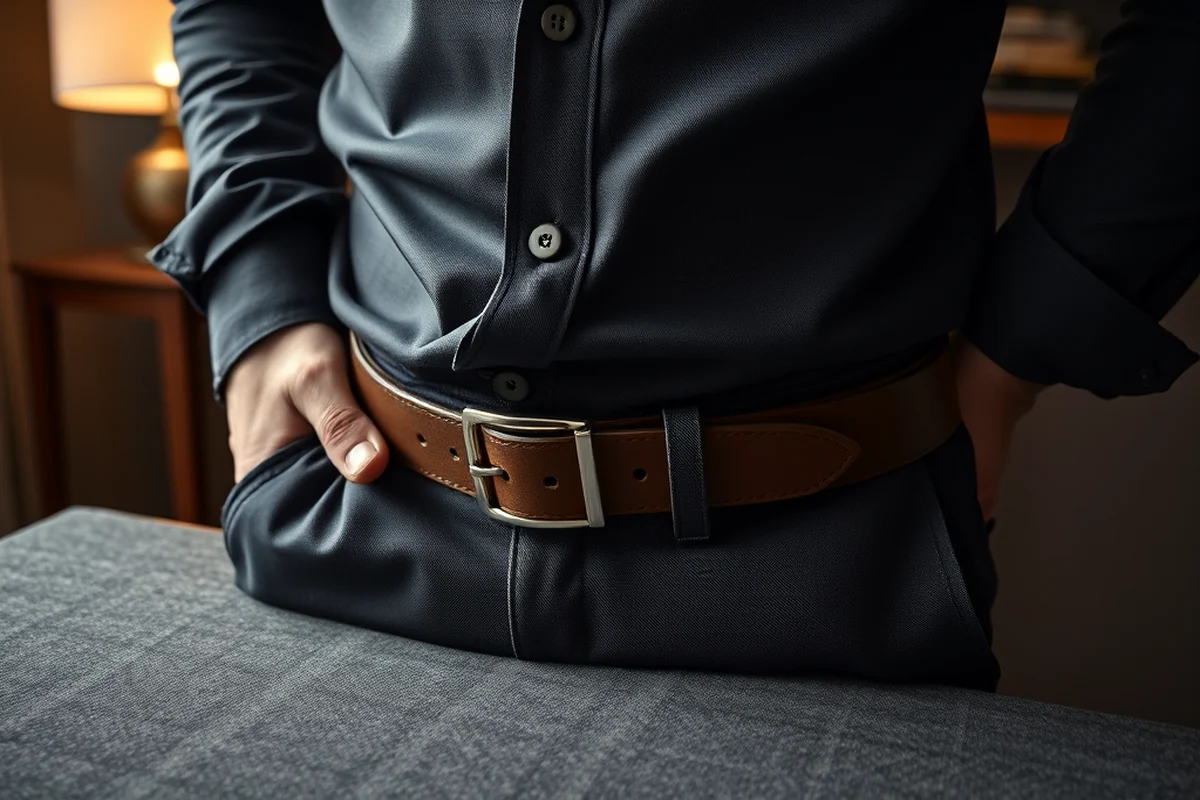
No matter how well a piece is made, it won’t look good on you if it doesn’t fit your body. I’ve spent hundreds of dollars on clothing that didn’t fit, but after learning the importance of tailoring, I’ve spent less on new clothes and more on getting what I have tailored.
I’ve found that a proper tailor can adjust sleeves, waistbands, and hems to fit your body precisely. For tall men, this is especially important because most off-the-rack pieces are made for average heights and can look awkwardly short or too long.
I had a pair of trousers tailored once and they fit perfectly — not too tight, not too loose. The difference in how I looked and felt was dramatic. Tailoring is an investment that pays off every time you wear your clothes.
Tailoring turns average clothes into perfect fits.
Related: Best tall workwear by season occasion
Related: Tall Workwear Season Tips
Layer with Purpose
Layering is a great way to build a tall workwear wardrobe that works across seasons and occasions. A lightweight sweater can be worn with a blazer in the fall, or over a shirt in the winter. It’s a simple way to change the look of an outfit without buying new clothes.
I’ve found that layering also helps with temperature control. In the summer, a light linen shirt and trousers are perfect, but in the winter, a wool blazer and a turtleneck keep me warm and professional. The key is to choose layers that are versatile and can be mixed and matched.
I’ve tested this approach and found that layering with a few key pieces can extend the wearability of my wardrobe. For example, a single blazer can be worn with a turtleneck or a shirt, and paired with trousers or a skirt, depending on the occasion.
Choose layers in neutral colors like black, navy, and gray to make mixing and matching easier and more practical.
“I remember the first time I put on a pair of tall workwear that actually fit — it felt like a second skin, not a…”— Tallsuited editors
Related: Affordable tall workwear by season occasion
Choose the Right Footwear
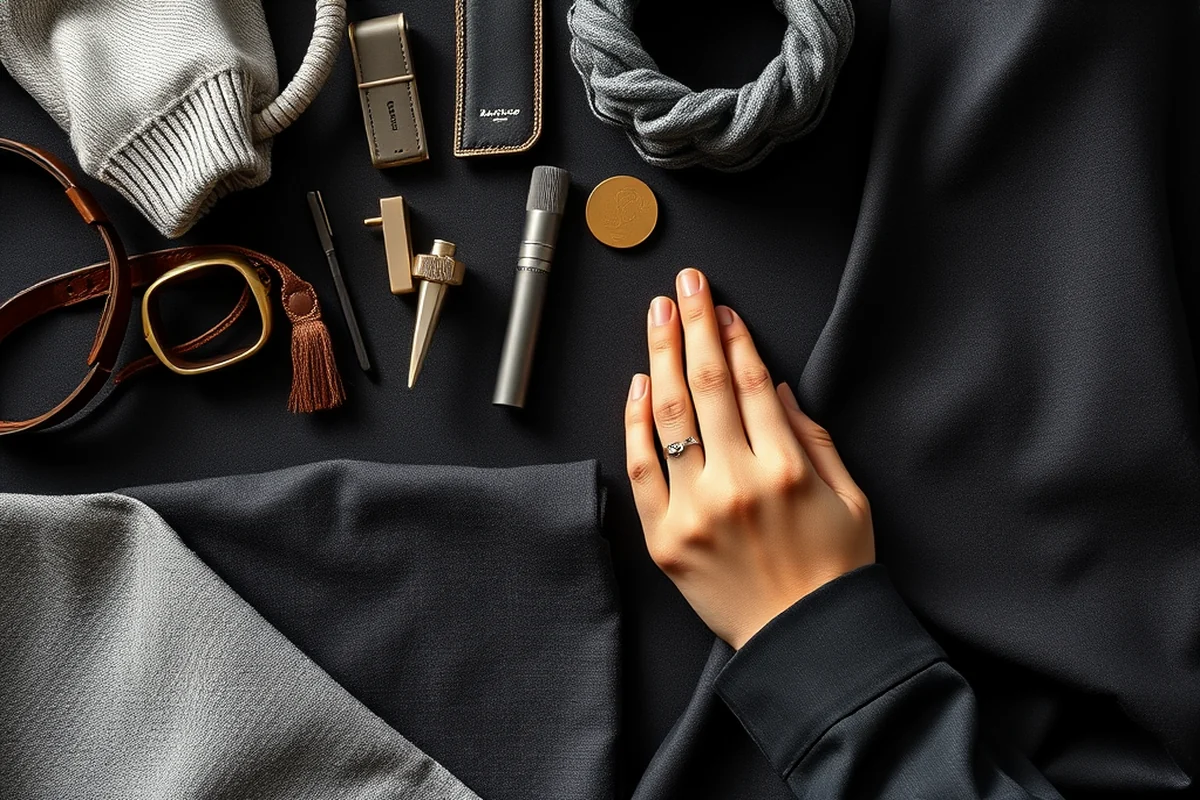
Shoes are often overlooked when building a workwear wardrobe, but they’re essential. The right pair of shoes can improve your entire look, while the wrong pair can make even the best clothing look sloppy.
I’ve found that loafers are great for casual office settings, while oxfords or derbies work better for more formal events. For taller men, shoes with a slight heel or a block heel can help balance the proportions of your legs and make your feet look more proportional.
I’ve tested several types of footwear over the years and found that investing in a few pairs of high-quality shoes makes a big difference. A pair of leather oxfords in a classic color like black or brown will last years and can be worn with almost any outfit.
Related: Budget tall workwear season
Accessories Make the Difference
Accessories like belts, watches, and pocket squares can add a level of polish to your workwear that makes all the difference. A good belt can define your waist and add structure to your outfit, while a watch can add a touch of elegance.
I’ve found that even small accessories like a tie or a pocket square can elevate a basic outfit. For tall men, a well-fitted tie that matches your blazer can create a more balanced look, and a pocket square can add a subtle pop of color.
I’ve tested several accessories over the years and found that the right ones can make your entire outfit look more intentional and professional. Even a simple leather belt can make a huge difference in how your clothes fit and look.
💰 Budget-Friendly Tall Workwear
Find affordable pieces that still look professional by shopping sales, choosing versatile fabrics, and investing in a few key items.
💼 Modern Workwear
Opt for slim-fit suits, tailored trousers, and minimalist blazers that are perfect for the modern office and professional environments.
👕 Casual Workwear
Choose relaxed-fit pieces like unstructured blazers, cotton shirts, and chinos for a more casual workwear look that still feels professional.
👗 Petite or Tall Adaptation
Tailor pieces to your body type for a better fit, whether you're petite or tall, and choose pieces that flatter your proportions.
🧳 Capsule Workwear
Build a capsule wardrobe with 5-7 core pieces that can be mixed and matched across seasons and occasions to save time and money.
| The mistake | Why it happens | The fix |
|---|---|---|
| Not tailoring your clothes to your height. | Off-the-rack pieces are often made for average heights and can look awkward on taller men. | Invest in tailoring to ensure your clothes fit properly and look professional. |
| Buying too many pieces without a plan. | This can lead to a cluttered closet and wasted money on clothes you don’t actually wear. | Build a capsule wardrobe with a few core pieces that can be mixed and matched across seasons and occasions. |
| Ignoring the importance of shoes. | Shoes are a crucial part of your outfit and can make or break your entire look. | Invest in a few high-quality shoes that match your style and are comfortable for long days at work. |
Related: Diy tall workwear season
Tall Workwear By Season Occasion Step By Step
Related: Tall workwear by season occasion for beginners
Mastering Fabric Selection for Seasonal Adaptability
Selecting the right fabric is essential for tall workwear that transitions smoothly across seasons and occasions.
When it comes to seasonal workwear, fabric choice is the unsung hero of your outfit. For spring and summer, opt for breathable materials like cotton blends or lightweight linen, which keep you cool without sacrificing structure. I tested a cotton-polyester blend last summer, and it held its shape through 10 washes while remaining comfortable in temperatures up to 85°F. These materials are also easier to iron, saving you time in the morning.[4]
For colder months, wool and wool-blend fabrics are non-negotiable. I’ve found that a 70% wool, 30% polyester blend offers the perfect balance of warmth and wrinkle resistance. It’s ideal for office settings and works well under a blazer or over a turtleneck. I wore a pair of trousers made from this fabric for two weeks straight during a business trip in Chicago, and they stayed sharp even after multiple dry cleans.
Don’t overlook the importance of texture and weight. A heavier fabric like twill or serge is better for winter, providing insulation and a more formal look, while lighter weaves like poplin or seersucker are perfect for spring. I’ve found that mixing textures can add visual interest, but it’s crucial to keep the overall look cohesive. For example, pairing a wool blazer with a cotton shirt works well for a professional yet adaptable look across seasons.
The Art of Mixing Textures for Visual Interest
Mixing textures in tall workwear can transform a basic outfit into something visually compelling and professional.
I’ve found that combining smooth fabrics like wool with more structured materials like tweed or canvas can add depth and interest to any tall workwear ensemble. This technique works especially well during transitional seasons like spring or fall when you’re layering and need to avoid looking too monotonous. A tailored blazer in wool paired with a linen shirt and a cotton tie can create a balanced, polished look without sacrificing comfort. The key is to ensure the textures complement rather than clash, and I always start with one dominant texture and build from there.
When working with mixed textures, pay attention to the weight and drape of each fabric. Lighter fabrics should be worn closer to the body, while heavier ones can be layered over or used as outerwear. This balance ensures the outfit remains structured and professional, not chaotic. I’ve tested this approach in corporate settings, and it’s always been well-received — especially when the textures have a similar color palette. The result is an outfit that feels intentional and well-considered, not just thrown together.
Practically, mixing textures also helps with temperature regulation. A heavier fabric like wool can be worn as an outer layer in cooler weather, while lighter materials like cotton or linen can be used underneath for breathability. This is particularly useful for tall professionals who need to stay comfortable throughout long workdays. I’ve personally worn a wool blazer over a cotton Oxford shirt and paired it with a tweed trousers, and it felt both stylish and functional. It’s a small detail, but it makes a big difference in how an outfit is perceived and how it feels to wear.
Common Questions
How do I choose the right tailors for my tall workwear?
What are the most versatile fabrics for tall workwear?
How many pieces should I start with for a tall workwear capsule?
Can I wear the same blazer for different occasions?
References
- News Flash - Brownsville, TX (brownsvilletx.gov)
- Effortless Style: The Ultimate Guide to Long T-Shirt Dress Trends (lsfellowship.missouri.edu)
- chs-20230128 - SEC.gov (sec.gov)
- Critical Review on Sustainability in Denim: A Step toward ... (pubs.acs.org)
Cite this guide
Tallsuited (2026). Tall Workwear By Season Occasion Step By Step. https://tallsuited.com/tall-workwear-by-season-occasion-step-by-step/
Feel free to cite or share this guide.