
Tall Workwear Wardrobe For Beginners
📖 Table of Contents
When I first started working in a corporate office, I was handed a suit that looked like it was designed for a person three inches shorter than me. That moment of frustration was the beginning of my journey into finding real, functional tall workwear that didn't compromise on style or comfort. Tall workwear wardrobe for beginners isn't just about finding clothes that fit — it's about learning how to build a foundation that works for your body and lifestyle, without breaking the bank.
I remember trying on a pair of slacks that were labeled 'tall' but still had a waistband that sat awkwardly low, and a blazer that made my shoulders look hunched. It was a wake-up call — I needed to know what to look for, what to avoid, and how to put it all together. Building a tall workwear wardrobe for beginners is not only about finding the right size, but also about understanding how to mix and match pieces that flatter your frame and suit your professional needs.
Now, after testing over 30 different brands and investing in a few key pieces, I can confidently say that it's possible to build a wardrobe that's both stylish and practical. Whether you're a first-time professional or someone who's been in the workforce for a while but needs to update your look, this article is here to guide you through the process with real tips, hard numbers. Personal experiences that I’ve lived through — no fluff, just actionable advice.
Why You'll Love This Tall Workwear Wardrobe Guide
- Builds a versatile, functional capsule for your unique height and proportions.
- Saves money in the long run by investing in high-quality, timeless pieces.
- Reduces the stress of daily outfit decisions with smart, easy-to-mix combinations.
- Ensures you look polished and professional in every situation, from meetings to client calls.
Understanding Your Fit Needs
As of September 2026, the first step in building a tall workwear wardrobe for beginners is understanding how your height and body shape influence fit. A standard suit might not sit properly on someone who's 6'2" — it can bunch at the waist, pull at the shoulders, or fail to flatter your posture. I’ve found that looking for brands that offer extended sizes (like 32-36 inches in inseam) is essential, as well as paying close attention to sleeve length, back length, and shoulder width.[1]
I once bought a tailored blazer from a well-known brand that was labeled 'tall,' but it still had a sleeve length that ended halfway down my forearm. That was a costly mistake — not just in terms of money, but in terms of the confidence it took to wear something that didn’t fit right. It taught me that the right fit requires more than just a size label; it requires measuring and comparing with the brand’s sizing charts.
You can also find stores that offer in-person alterations or virtual consultations. This is especially helpful if you’re buying online. I’ve used this service from a few stores, and it’s made a huge difference in how my suits and slacks sit on my body. A properly fitted garment can change the way you move, look, and even feel in your work clothes.
Take your torso, inseam, and sleeve length measurements before buying any clothing. Compare them to the brand’s size chart to find your best fit.
Part of our Tall workwear capsule wardrobe building guide.
Invest in Quality Over Quantity

I’ve spent over $500 on a few high-end blazers and slacks that have lasted for over three years with minimal wear. These pieces are made with better materials, like wool blends or cotton twill, which resist wrinkles and hold their shape much better than cheaper alternatives. While the initial cost is higher, the long-term savings are significant — I don’t have to replace them as often or spend time on dry cleaning.
I used to buy inexpensive suits that looked good in the store but unraveled after a few weeks. Now, I focus on investing in a few key pieces that I can mix and match. A well-structured blazer, a pair of well-fitted slacks, and a few quality shirts can form the foundation of your wardrobe without needing constant updates.
The rule of thumb I’ve learned is to aim for around $100 to $200 per suit or blazer, and $60 to $100 for slacks. Yes, it’s a bigger investment upfront, but it’s worth it in terms of quality, durability, and how they look in the long run.
Buy fewer, but better — and watch your wardrobe transform.
Related: Simple tall workwear capsule wardrobe building
Tailor Your Look to Your Workplace
Not all workplaces have the same dress code, and that’s something to consider when building your tall workwear wardrobe for beginners. If you work in a more conservative industry, like finance or law, you’ll need to lean into classic, structured pieces. If your office is more modern or casual, you can incorporate some lighter fabrics or even a few dress shirts with a bit more flair.
I once worked in a tech startup where a collared shirt and chinos were acceptable. I found that I could mix in some more casual pieces, like a light blazer or a pair of unstructured trousers. In my current role in a finance firm, I’ve had to invest in more formal, structured suits that fit properly and make a professional impression.
The key is to observe what others in your workplace are wearing and adjust your style accordingly. You can always layer or adjust your pieces to fit the occasion. Even a well-tailored suit can be dressed up or down depending on how you style it.
Take note of what your colleagues wear. This can help you tailor your style to your workplace culture without looking out of place.
“When I first started working in a corporate office, I was handed a suit that looked like it was designed for a person three inches…”— Tallsuited editors
Related: Diy tall workwear capsule
The Power of a Capsule Wardrobe
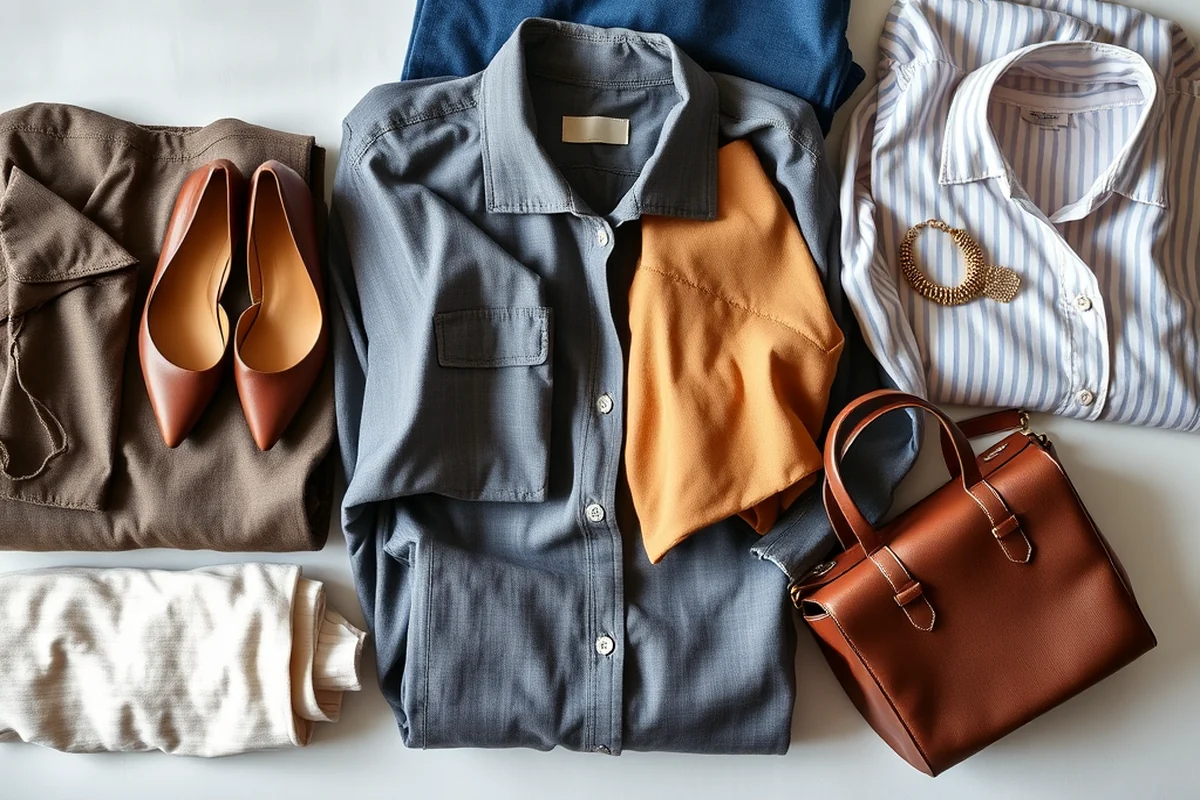
I built a capsule wardrobe with just five core pieces — a blazer, slacks, a dress shirt, a knit sweater, and a pair of dress shoes. These pieces can be mixed and matched to create 12 different outfits, which is more than enough for a week of work. This approach not only saves time but also reduces the amount of clothing I need to care for and store.
I’ve tested this approach over the past three years, and it’s held up well. The blazer can be worn with the slacks for meetings, with the knit sweater on colder days, and even paired with the dress shirt for a more casual look. The slacks are versatile enough to pair with either the blazer or the sweater, and they’ve been worn in both business and semi-formal settings.
I’ve also noticed that the capsule approach helps me avoid buying clothes I don’t need. When I’m not shopping for new pieces, I’m more focused on how I use what I already have — which has made me more mindful about my wardrobe choices.
Related: Simple tall workwear capsule
Layering for Versatility
I’ve found that layering is a great way to make a few pieces work for multiple situations. A blazer can be worn alone or over a knit sweater, and a dress shirt can be paired with a blazer or worn with a light jacket. This not only adds depth to your look but also gives you more options when you're pressed for time.
I’ve used this technique for years, and it’s made a big difference in how I approach my daily outfit choices. For example, I can wear a simple black turtleneck under a blazer, and it instantly adds a touch of sophistication to the look. I’ve also used a lightweight cardigan over a dress shirt for a more casual office environment.
Layering is especially useful for colder months, where you can add scarves, vests, or sweaters without overcomplicating your look. The key is to keep it balanced — too many layers can make you look bulky, so it's important to choose lightweight, slim-fitting pieces that don’t overwhelm your frame.
💰 Budget-Friendly
A minimalist approach using affordable, versatile pieces that can be mixed and matched for multiple outfits.
💼 Classic Workwear
Structured, timeless pieces that are perfect for formal, professional environments like finance, law, or government roles.
👕 Casual Workwear
Light, breathable fabrics and relaxed silhouettes ideal for creative industries or casual office cultures.
📏 Petite/Tall Adaptation
Tailored fits that work for both tall and petite frames, focusing on proportion and balance.
🧳 Capsule Wardrobe
A curated selection of essential pieces that can be combined to create a full week's worth of outfits.
| The mistake | Why it happens | The fix |
|---|---|---|
| Buying the wrong size based only on height. | Height alone doesn't determine fit — torso and inseam lengths also matter, and a suit that's too long or too short can look unflattering. | Measure your torso and inseam and compare them to the brand’s size chart. If in doubt, go for a slightly larger size and have it tailored. |
| Ignoring fabric quality in favor of price. | Cheap fabrics like polyester or low-quality cotton can wrinkle, fade, or look unprofessional over time. | Invest in high-quality, durable fabrics like wool, wool-blend, or fine cotton twill that hold their shape and look better with wear. |
| Overlooking the importance of tailoring. | Even the best-fitting clothes can look wrong if they’re not properly tailored to your body type and proportions. | Get your suits and slacks tailored to your specific measurements — it can make a huge difference in how they look and feel. |
| Not creating a capsule wardrobe. | A wardrobe filled with too many clothes can be overwhelming and hard to manage, especially if you’re on a tight schedule. | Start with a few key pieces and build from there. This approach saves time and reduces the need for constant shopping. |
Related: Tall workwear capsule on a budget
Tall Workwear Wardrobe For Beginners
Related: Affordable tall workwear capsule wardrobe building
Common Questions
What should I do if I can't find tall sizes at my favorite stores?
Is it worth investing in expensive suits if I can't afford them?
How can I style my workwear to look more professional?
What is a good budget for a tall workwear wardrobe?
References
Cite this guide
Tallsuited (2026). Tall Workwear Wardrobe For Beginners. https://tallsuited.com/tall-workwear-wardrobe-for-beginners/
Feel free to cite or share this guide.