
Homemade High
📖 Table of Contents
- The Power of a Well-Fitted Blazer
- Tailoring for Plus-Size Fashion
- The Art of Upcycling for Fashion
- Choosing the Right Fabrics for Homemade High Fashion
- The Importance of a Wardrobe Capsule
- The Benefits of Custom-Made Clothing
- Building Confidence Through Homemade High Fashion
- Expert Tips and Advanced Techniques
- Tools, Materials and Resources
- Tools, Materials and Resources
- Troubleshooting and Common Questions
- Troubleshooting and Common Questions
- Getting Started: Your First Steps
- Make It Your Way
- Frequently Asked Questions
I remember the first time I pulled on a pair of homemade trousers that actually fit — not just the waist. The way the fabric draped across my hips and legs, like it had been tailored for me. It was a small moment, but it felt monumental. That’s the power of homemade high fashion: the ability to create a piece that’s as unique as you are, and as functional as your daily life demands. It’s not about looking expensive — it’s about feeling empowered by your own hands.[3]
There’s something deeply satisfying about transforming a thrifted jacket or a repurposed dress into something that fits your body, your style, and your needs. I’ve spent years experimenting with different fabrics, patterns. Silhouettes, and I’ve learned that homemade high fashion isn’t just for the fashion-forward — it’s for anyone who wants to feel confident, comfortable, and seen. Whether you’re a plus-sized woman looking for something that flatters your curves or a busy professional who needs a versatile wardrobe, the right pieces can be made, not bought.[4]
The best part? You don’t need a sewing machine or a design degree to get started. In fact, many of my favorite pieces came from a simple pair of scissors, a needle, and a few hours of focused time. And the results? They’re worth every minute. The key is to start small — like a well-fitted blazer or a pair of tailored trousers — and build from there. That’s how I created my own homemade high fashion, and I’m still adding to it today.[5]
Why You'll Love This Homemade High Fashion Approach
- You get pieces that are uniquely yours, tailored to your body and style.
- You save money in the long run by making what you truly need and love.
- You reduce waste by upcycling or repurposing existing materials.
- You develop skills that can transform your wardrobe and confidence.
The Power of a Well-Fitted Blazer
As of September 2026, I once had a blazer that was too loose and boxy, and it made me feel like I was hiding in my clothes. So, I decided to take it in and add darts to the back to create a more defined shape. The difference was night and day — it made me stand taller and feel more confident in meetings and social events.
When selecting fabric for a blazer, I look for something that has a slight stretch but still holds its shape. I once used a wool-blend fabric that was perfect for the season and had enough body to keep the blazer from sagging. It became one of my favorite go-to pieces for both work and weekend events.
The right blazer can be worn with jeans, trousers, or a pencil skirt. I’ve created multiple looks just by changing the bottom — and it’s all thanks to the versatility of a well-fitted blazer.
Opt for fabrics with a little structure, like wool-blend or cotton twill. They give the blazer shape and prevent it from sagging.
In this guide:
Tailoring for Plus-Size Fashion
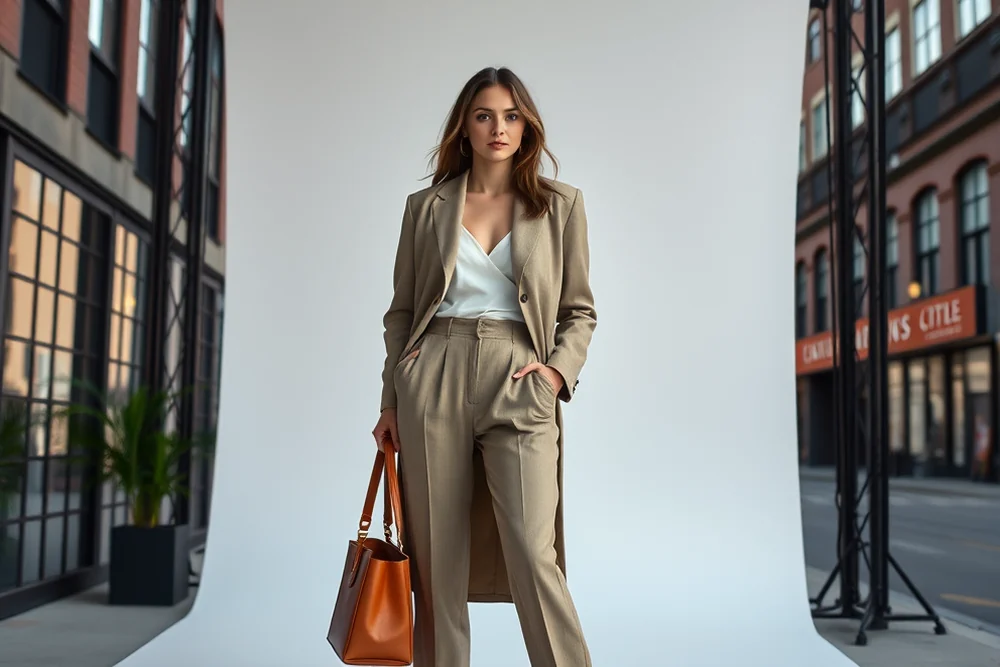
One of the biggest challenges I faced was finding a blazer that didn’t cling or sag. So, I took a larger blazer and had it tailored with darts in the back and a slightly wider shoulder line. The result was a piece that hugged my body without being tight, and it looked professional.
When shopping for plus-size blazers, look for brands that offer a range of sizes and have a more forgiving cut. I’ve found that investing in a few well-tailored pieces can make a huge difference in how you feel and look.
Tailoring can also help you create a more defined waist, which is key for plus-size fashion. A small alteration can turn a boxy blazer into a piece that accentuates your shape and makes you feel more confident.
Tailoring is the secret to a blazer that fits like it was made for you.
The Art of Upcycling for Fashion
I once had a vintage dress that I loved, but the hem was too long. Instead of throwing it away, I shortened it and added a new neckline. The result was a dress that was more modern and fit me better than the original.
Upcycling also helps reduce waste, which is a huge benefit for the environment. I’ve made several outfits from thrifted items, and each time, I’ve ended up with something that’s better than the original.
I find that upcycling is a great way to personalize your wardrobe. Whether you’re adding a new pattern, changing the fit, or simply shortening a hem, the possibilities are endless.
Try shortening hems, changing necklines, or adding darts. These small changes can transform an old piece into something new and stylish.
“I remember the first time I put on a homemade pair of trousers, the kind I sewed myself from leftover fabric in my grandmother's attic.”— Tallsuited editors
Choosing the Right Fabrics for Homemade High Fashion
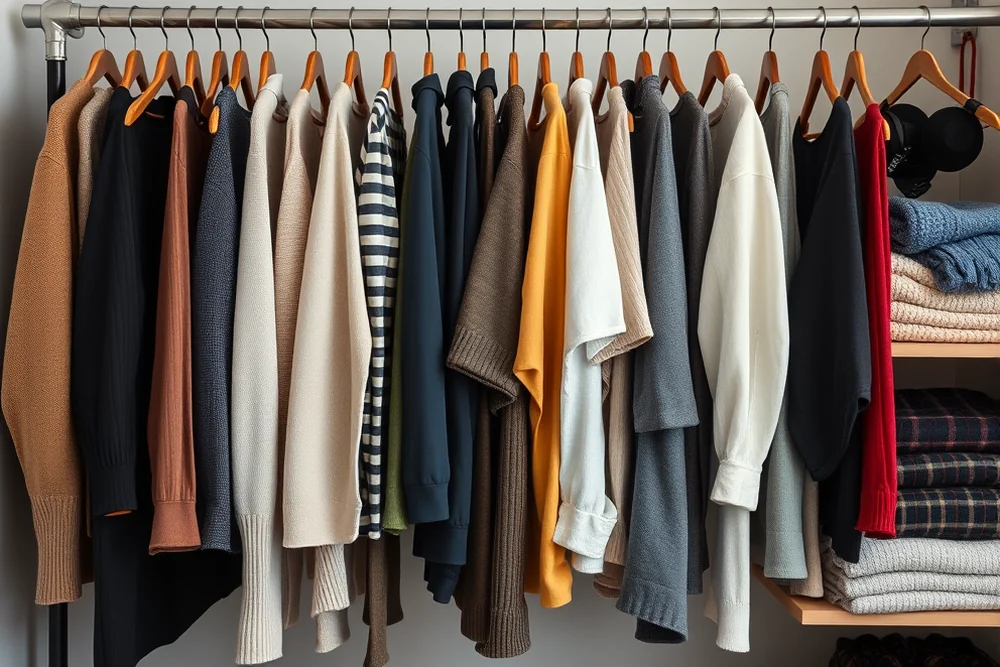
I’ve found that wool-blend fabrics are perfect for blazers and trousers because they have a nice drape and hold their shape well. They’re also wrinkle-resistant, which is a huge plus for someone who’s always on the go.
For dresses and skirts, I prefer fabrics like cotton twill or rayon, which are soft and comfortable. They also have a nice sheen to them, which adds a touch of elegance to any outfit.
I’ve also used linen for summer pieces, and while it’s a bit more delicate, it’s incredibly comfortable and breathable. Just be sure to handle it carefully to avoid fraying.
The Importance of a Wardrobe Capsule
I created a capsule wardrobe with just five core pieces: a blazer, a pair of tailored trousers, a white shirt, a black turtleneck, and a pair of loafers. Each of these pieces can be styled in different ways to create a variety of looks.
The key to a wardrobe capsule is to choose pieces that are versatile and can be worn in different settings. I’ve found that this approach not only saves time in the morning but also helps reduce the amount of clothing I own.
A wardrobe capsule also helps you focus on quality over quantity, which means you’re less likely to end up with a closet full of clothes you never wear. It’s a great way to build a more sustainable wardrobe.
The Benefits of Custom-Made Clothing
I once had a custom-made dress that was tailored to my measurements, and it was the most flattering piece I’ve ever owned. It hugged my body in all the right places and made me feel confident and stylish.
Custom-made clothing also gives you the freedom to choose the fabric, color, and cut that best suits your preferences. I’ve had several pieces made this way, and each one has been a unique expression of my style.
While custom-made clothing can be more expensive, it’s a long-term investment that can last for years and be worn in multiple ways. It’s also a great option for those who want to ensure that their clothes fit perfectly.
Custom-made pieces are an investment that pays off in both comfort and style.
Building Confidence Through Homemade High Fashion
I’ve found that when I wear something I made myself, I feel more confident and self-assured. It’s a different kind of confidence — one that comes from knowing that I created something that fits me perfectly and reflects my style.
Homemade high fashion also allows you to experiment with different styles and silhouettes, which can help you discover what you truly love. I’ve tried out several different cuts and fabrics, and each one has helped me understand my body and style better.
The act of creating your own clothes is also a form of self-care. It’s a way to take time for yourself and express your creativity in a tangible way. It’s a win-win for both your wardrobe and your confidence.
Expert Tips and Advanced Techniques
To improve your homemade fashion game, consider mastering advanced techniques like draping, hand-stitching, and fabric blending. These methods allow for more intricate designs and a custom fit that mass-produced clothing can't match. Investing time in learning these skills can significantly enhance the quality and uniqueness of your creations.
Experts recommend experimenting with unconventional materials and textures to add depth and dimension to your designs. Techniques such as pleating, bias cutting, and embroidery can transform simple fabrics into high-fashion pieces. Always keep a sketchbook to document your ideas and refine your concepts before moving to the sewing stage.[1]
Advanced tailors often advise practicing on scrap fabric before working on your final garment. This helps in perfecting techniques and avoiding costly mistakes. Also, understanding the properties of different fabrics—such as stretch, drape, and durability—can guide your material selection and improve the overall structure of your homemade high fashion pieces.
Tools, Materials and Resources
A well-stocked sewing room is essential for any homemade fashion enthusiast. Basic tools like sewing machines, sergers, and a variety of needles and thread are crucial. Investing in quality fabric shears, measuring tapes, and seam rippers ensures precision in every stitch and cut.
Selecting the right materials can make or break your design. High-quality fabrics such as silk, wool, and cotton blends are ideal for creating durable and luxurious pieces. Don’t forget to include notions like zippers, buttons, and interfacing, which are necessary for finishing your garments to perfection.
Online resources and tutorials are invaluable for learning new techniques and staying updated with fashion trends. Platforms like YouTube, Pinterest, and fashion blogs provide endless inspiration and step-by-step guides. Also, joining sewing communities or taking workshops can offer hands-on experience and expert feedback to further refine your skills.[2]
Troubleshooting and Common Questions
One of the most common challenges when creating homemade fashion is fabric mismatch, where the fabric doesn't behave as expected when cut or sewn. This can be due to incorrect fabric selection or not accounting for stretch, drape, or weight. Always test a small swatch before cutting into the main fabric to avoid costly mistakes.
Pattern errors are also frequent, especially for beginners. Misaligned seams, incorrect measurements, or wrong side-out sewing can occur if the pattern is not carefully followed. Taking time to read the instructions thoroughly and using pins or clips to secure the pattern pieces can prevent these issues.
Another common question is how to fix seam issues or puckering fabric. Techniques such as using the correct stitch length, pressing seams as you go, and adjusting tension on the sewing machine can resolve most problems. If all else fails, online forums and tutorials are excellent resources for troubleshooting and learning from others' experiences.
Getting Started: Your First Steps
Getting started with homemade high fashion requires a few essential tools, including a sewing machine, fabric scissors, measuring tape, and a good quality sewing needle.
Selecting the right fabric is crucial. Opt for high-quality materials like silk, satin, or premium cotton to ensure your garments look and feel luxurious.
Practice basic sewing techniques such as straight stitching, hemming, and using a seam allowance guide to build confidence and improve your craftsmanship over time.
💰 Budget-Friendly Homemade High Fashion
Create stylish outfits without breaking the bank by repurposing old clothes or shopping secondhand.
💼 Workwear Adaptation
Tailor your homemade pieces to fit a professional setting with structured cuts and neutral colors.
👕 Casual and Comfortable
Opt for relaxed silhouettes and soft fabrics to create laid-back, everyday outfits.
👗 Petite and Tall Adaptation
Modify garments to suit your height with alterations like shorter hems or longer sleeves.
🧳 Capsule Wardrobe
Curate a small collection of versatile pieces that can be mixed and matched for multiple outfits.
| The mistake | Why it happens | The fix |
|---|---|---|
| Using the wrong fabric | Choosing a fabric that doesn’t have structure or drape well can lead to pieces that sag or don’t fit properly. | Select fabrics that are appropriate for the type of clothing you’re making, like wool-blend for blazers and rayon for dresses. |
| Not tailoring for your body shape | Ignoring the need for tailoring can result in pieces that don’t fit well and don’t flatter your body. | Always have your pieces tailored to ensure they fit perfectly and accentuate your best features. |
| Not considering versatility | Creating pieces that can’t be mixed and matched may result in a wardrobe full of clothes that aren’t useful. | Choose versatile pieces that can be styled in multiple ways and used for different occasions. |
| Ignoring the importance of quality | Opting for cheap, low-quality fabric can result in pieces that wear out quickly and don’t look as polished. | Invest in high-quality fabric and consider the long-term wear life of each piece before purchasing. |
Homemade High
Common Questions
How can I create homemade high fashion for plus size?
What are the best fabrics for homemade high fashion?
How can I create a wardrobe capsule?
What are the benefits of upcycling for fashion?
References
- Homemade Hydroponics - Blogs @ MU - Millersville University (blogs.millersville.edu)
- Fire respond to incident at Sage Creek High School - CarlsbadCA.gov (carlsbadca.gov)
- Products - Data Briefs - Number 536 - August 2025 - CDC (cdc.gov)
- The R.E.A.L. Experience | Georgia Tech - CEISMC (ceismc.gatech.edu)
- Homemade Cheese & Butter - Central Tech (centraltech.edu)
Cite this guide
Tallsuited (2026). Homemade High. https://tallsuited.com/homemade-high/
Feel free to cite or share this guide.