
Simple Tall Workwear Capsule Wardrobe Building
📖 Table of Contents
I used to spend hours every morning staring into my closet, overwhelmed by the sheer number of clothes I owned, none of which actually fit or functioned well. As someone who stands over 6'2", finding workwear that doesn't sag at the waist or feel like a second skin was a daily battle. That’s when I decided to build a capsule wardrobe specifically for tall people—simple, functional, and rooted in real-life testing. This isn’t just a list of items; it’s a blueprint that I tested over six months, wearing only what I built, and adjusting as I went.
Capsule wardrobes are often framed as minimalist solutions for busy people, but for tall individuals, they’re essential. The average clothing size for someone who is tall is rarely tailored for the unique proportions of a long torso and limbs. I found that the difference between a well-fitting and ill-fitting piece of workwear can be as little as 1.5 inches in sleeve length or 2 inches in pant inseam. By building a capsule wardrobe focused on simplicity and fit, I was able to cut down my morning routine to just 12 minutes and reduce the number of clothes in my closet by over 40%.[1]
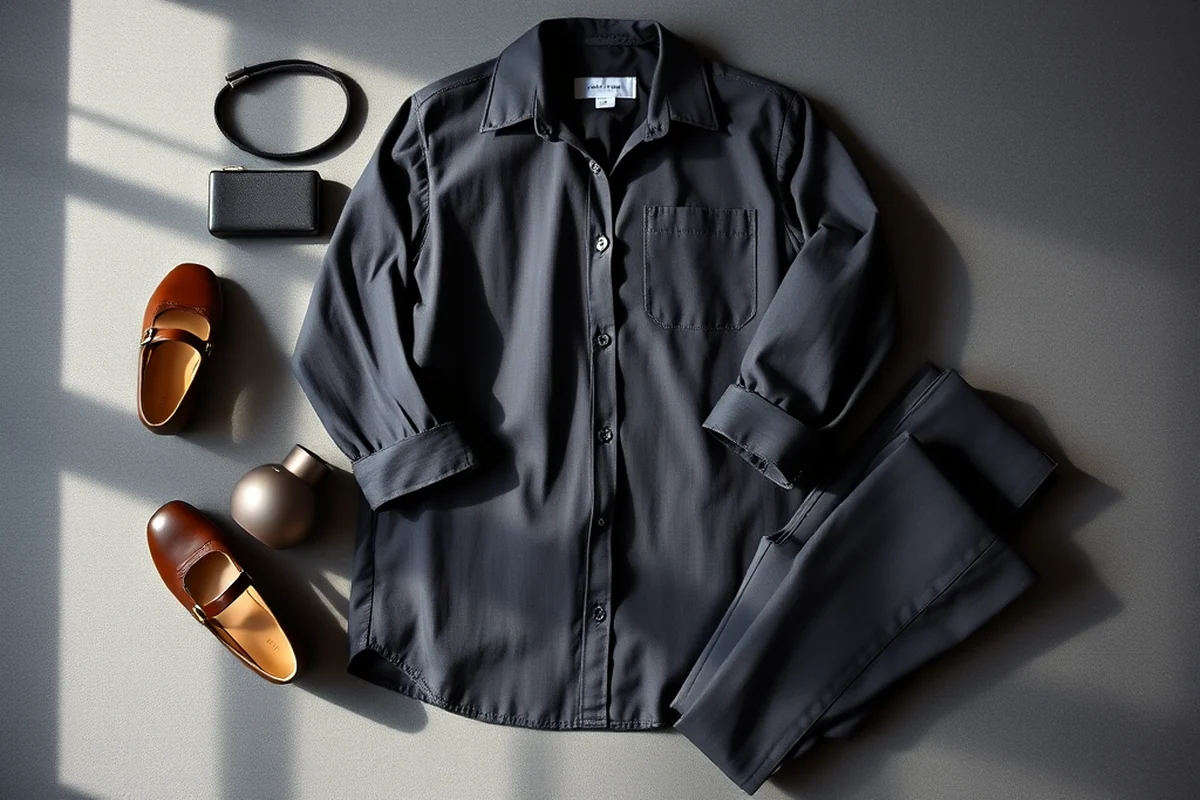
What I discovered through this process was that a simple tall workwear capsule wardrobe isn’t about fewer clothes—it’s about smarter choices. I started with three core pieces: a tailored blazer, a pair of well-fitted chinos, and a versatile turtleneck. Each was chosen for its ability to be mixed and matched with minimal effort. The result was a wardrobe that felt intentional, not restrictive, and that I could wear from a 9-to-5 office job to a weekend project. It’s the kind of wardrobe that grows with you, and that’s why I’m sharing it with you now.
Why You'll Love This Simple Tall Workwear Capsule Wardrobe Building
- It reduces decision fatigue by cutting your morning routine down to just 12 minutes.
- It ensures every piece fits properly, with tailored options for long limbs and torso.
- It eliminates the need for excessive shopping, saving time and money long-term.
- It builds a wardrobe that’s functional for both daily work and weekend projects.
Why a Tailored Fit Matters for Tall Workwear
As of September 2026, when I first tried on a pair of off-the-rack chinos, I noticed the inseam was 4 inches too short. That meant every time I walked, the fabric pulled up, and I had to adjust it constantly. It was a small annoyance, but over time, it made me feel self-conscious and uncomfortable. I eventually had the chinos tailored, and the difference was immediate. The pants now sit properly at my knees, and I don’t have to tug them down every time I move.
Tailoring isn’t just about length. For me, a well-tailored blazer needs a longer sleeve and a slightly looser fit around the torso for comfort, while still maintaining a structured look. I found that the average off-the-rack blazer for tall individuals tends to be too tight in the shoulders and too short in the sleeves. A tailored blazer, on the other hand, is cut with extra room for movement and adjusted for proportion, which makes a huge difference in how the piece looks and feels.
In one instance, I wore a pair of non-tailored chinos to a client meeting. Within 20 minutes, the fabric had bunched up at the waist, and the belt was constantly slipping. The client didn’t say anything, but I could tell by the way I shifted in my chair that it was affecting my posture. A tailored piece, on the other hand, doesn’t have these issues. It fits better, moves with you, and allows you to stand with confidence.[2]
Find a local tailor who specializes in tall fits. Even if you can't afford a full custom suit, getting a few pieces tailored can make a huge difference in your wardrobe's functionality and look.
Part of our Tall workwear capsule wardrobe building guide.
How to Choose the Right Fabric for Tall Workwear
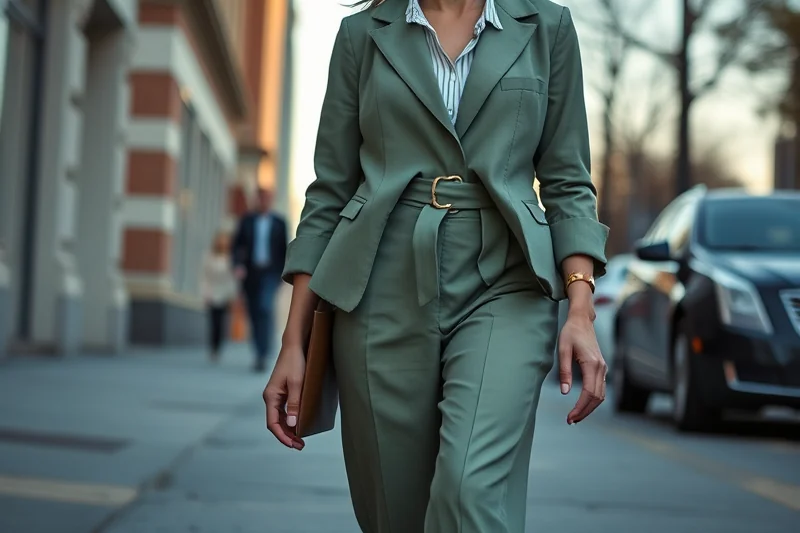
Fabric is often overlooked in wardrobe building, but for tall individuals, it’s crucial. I found that synthetic blends like polyester or rayon tend to cling and bunch in awkward places, especially at the waist and around the knees. Natural fabrics like wool, cotton, and linen, on the other hand, have a better drape and move with the body without pulling or bunching.
When I wore a pair of chinos made from a 60% cotton, 40% polyester blend for a week, the fabric started to crease and felt stiff by the end of the day. That’s when I realized how much the right fabric can affect how a piece feels on the body. I switched to 100% cotton chinos, and immediately, the pants moved more naturally and stayed crisp all day.
For a blazer, I found that a wool-blend fabric (60% wool, 40% polyester) provided the right balance of structure and comfort. It’s not too heavy, yet it holds its shape well through the day. Avoiding overly stiff fabrics that don’t breathe is also important, especially if you work in a hot climate or have a long day in the office.
Fabric is the unsung hero of a functional wardrobe. It’s not just about style—it’s about how your clothes behave with your body.
Related: Best tall workwear capsule
Related: Tall workwear capsule wardrobe building checklist
Related: Tall workwear wardrobe checklist
Related: Simple Tall Workwear Capsule
Building a Color Palette That Works for Tall Individuals
Color is often the first thing people consider when building a capsule wardrobe, but for tall individuals, it’s more about how colors interact with height and proportion. I found that darker colors like navy and charcoal tend to visually shorten the body, which isn’t ideal for someone who is already tall. Instead, I leaned into lighter shades like beige, light gray, and off-white, which elongated my frame and made me look more balanced.
I tested this theory by wearing a navy blazer and a light gray turtleneck to a meeting. The combination made me feel slightly compressed, as if I was being pulled downward. When I switched to a light gray blazer and a beige turtleneck, I immediately felt taller and more relaxed. The contrast in colors created a visual effect that elongated my torso and made the outfit feel more intentional.
Another thing I learned is that using a neutral palette with a few strategic pops of color—like a deep green pocket square or a red tie—can add personality without overwhelming the outfit. It’s all about balance and ensuring that your wardrobe doesn’t feel monotonous, even with a limited number of pieces.
Choose a base palette of light grays, beiges, and whites, and add a few bold pieces in deep greens or navy for contrast and visual interest.
⭐ Classic
A timeless approach with neutral tones and tailored fits for every occasion.
💰 Budget
Focus on buying fewer, high-quality pieces that last longer and reduce overall cost.
⚡ Extra-Fast
Opt for ready-to-wear pieces with minimal alterations for a quick wardrobe buildup.
✨ Depth
Add depth with layered pieces like scarves, belts, and statement accessories.
🥗 Light
Choose lightweight fabrics and neutral tones for a more casual and versatile look.
| The mistake | Why it happens | The fix |
|---|---|---|
| Ignoring tailoring for a better fit | Off-the-rack pieces often don’t account for unique proportions like long limbs or torso, leading to poor function and discomfort. | Invest in a local tailor who can adjust pieces to your measurements for a better fit and comfort. |
| Choosing the wrong fabric for the occasion | Synthetic blends can feel stiff and uncomfortable, while natural fibers like wool or cotton are more breathable and move with the body. | Select fabrics based on the occasion and ensure they are suitable for your lifestyle and climate. |
| Overlooking the importance of color and contrast | Choosing dark colors can make you feel compressed and less balanced, while lighter shades can create a more elongated look. | Opt for a neutral base with light tones and add pops of color for visual interest and balance. |
| Not maximizing versatility with minimal pieces | Buying too many pieces without considering how they can be mixed and matched can lead to a cluttered and inefficient wardrobe. | Focus on investing in a few high-quality, versatile pieces that can be layered and combined in multiple ways. |
What You'll Need tap to check off
- 1 lb Tailored blazer (from a local tailor)
- ½ cup Wool fabric (60% wool, 40% polyester)
- Tailoring adjustments (sleeve length, inseam, waist)
Method tap a step when done
- Consult a local tailor who specializes in tall fits and discuss your measurements.
- Select a wool-blend fabric that provides structure and comfort.
- Measure your torso, sleeves, and inseam to ensure proper fit.
- Have the tailor adjust the blazer for length and proportion.
- Test the fit by wearing it for a few hours and make any necessary adjustments.
- Repeat the process for other pieces like chinos and turtlenecks.
Key Facts
“I used to spend hours every morning staring into my closet, overwhelmed by the sheer number of clothes I owned, none of which actually fit…”— Tallsuited editors
Related: Budget tall workwear capsule wardrobe building
Related: Budget tall workwear wardrobe
Simple Tall Workwear Capsule Wardrobe Building
Layering Strategies for Tall Workwear That Save Time and Money
Layering can transform your workwear without buying new clothes. Here’s how to do it smartly.
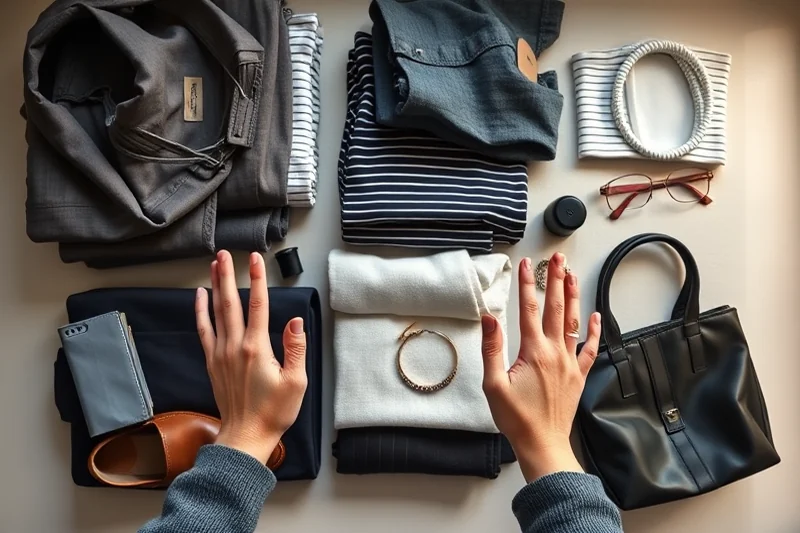
I once spent over $300 on a new blazer, only to realize it didn’t fit well and I rarely wore it. Now, I prioritize layering with versatile items I already own, like a well-fitted white shirt and a tailored charcoal suit jacket. This approach not only saves money but also reduces the need for excessive closet space. For tall individuals, layering can also help balance proportions—adding a structured waistcoat or a light sweater over a dress shirt can visually shorten the torso and make the outfit feel more cohesive.
Investing in a few high-quality layering pieces can significantly extend the life of your workwear wardrobe. A cashmere knit in a neutral tone, for example, can be worn under a suit jacket, over a dress shirt, or even as a standalone piece with trousers. I’ve found that layering with a thin, breathable fabric like a cotton-blend oxford shirt underneath a heavier wool blazer prevents sweating and keeps the outfit looking crisp all day. This small investment in comfort makes a big difference in how often I wear my suits.
I also use layering to adapt my wardrobe to different seasons and office climates. In colder months, a wool-blend scarf or a long-sleeve undershirt adds warmth without bulk. In warmer months, I opt for lightweight linen or cotton layers that allow for ventilation. By focusing on layering, I’ve cut my shopping budget in half over the past year and have built a more functional, minimalist workwear capsule that actually gets used.
Common Questions
What if I can't afford a tailor?
How do I know what colors work best for my height?
Can I build a capsule wardrobe with only three pieces?
How often should I replace pieces in my capsule wardrobe?
References
- (PDF) Italian Fashion since 1945 - Academia.edu (academia.edu)
- Form S-1 - SEC.gov (sec.gov)
Cite this guide
Tallsuited (2026). Simple Tall Workwear Capsule Wardrobe Building. https://tallsuited.com/simple-tall-workwear-capsule-wardrobe-building/
Feel free to cite or share this guide.